
I’ve spent years watching people get more confused about eating healthy, not less.
You’re probably here because you’ve read ten different articles that all say something different about what you should eat. One says carbs are fine. Another says they’ll kill you. It’s exhausting.
Here’s what I know: good nutrition isn’t complicated. But the internet has made it feel impossible.
I work with food every day at fhthgoodfood. I test recipes, talk to nutritionists, and watch what actually works for real people trying to eat better. Not influencers. Not people with personal chefs. Regular people with jobs and kids and busy lives.
This guide gives you a clear framework for understanding what your body needs. I’ll show you how to build meals that work and develop habits that stick.
No extreme diets. No cutting out entire food groups. Just straightforward nutritional advice based on what science actually says.
You’ll learn how to make sense of conflicting information, what a balanced meal really looks like, and how to create eating patterns you can maintain for years.
The Foundation: Understanding Your Macronutrients
Calories aren’t the whole story.
You’ve probably heard that weight loss is just calories in versus calories out. And technically, that’s true. But if you’ve ever tried eating 1,500 calories of donuts versus 1,500 calories of real food, you know something’s off with that math.
Your body doesn’t just count calories. It responds to what those calories are made of.
That’s where macronutrients come in. Protein, carbs, and fats. These three are what actually fuel everything your body does.
Some people say macros are overrated. They’ll tell you to just eat less and move more. Why complicate things with tracking protein or worrying about carb types?
Here’s what that misses though.
When you ignore macros, you end up hungry all the time. Or tired. Or both. I’ve seen people cut calories and wonder why they can’t stick to their plan past Tuesday.
Protein does the heavy lifting. It repairs your muscles after you work out. Keeps your immune system running. And here’s the part most people care about: it keeps you full for hours.
I’m talking about chicken breast, salmon, black beans, lentils, and tofu. Real sources that your body recognizes and uses.
Carbs give you energy. But not all carbs work the same way.
Complex carbs from whole grains, vegetables, and legumes release energy slowly. You eat oatmeal at breakfast and you’re good until lunch. Simple carbs from sugar and white bread? You get a quick spike and then you’re crashing by 10 AM.
Fats keep everything running smoothly. Your hormones need fat to work right. So does your ability to absorb vitamins A, D, E, and K.
We’re talking avocados, almonds, chia seeds, and olive oil. The kind of fats that make food taste good and actually help your body function.
When you balance these three, food stops being a battle. You can follow nutritional advice fhthgoodfood principles without feeling deprived or confused about what to eat next.
The FHTH Good Food Plate Method: A Visual Guide to Balanced Meals
You’ve probably heard you need to track macros.
Count calories. Weigh your food. Log everything in an app.
Here’s what nobody tells you though. Most people quit within two weeks because it’s exhausting.
I’m going to show you something different. A way to build balanced meals without pulling out your phone every time you eat.
Some nutritionists say you can’t make progress without precise tracking. They’ll tell you that eyeballing portions leads to overeating and that you need exact numbers to see results.
And sure, for bodybuilders prepping for competition? Maybe they’re right.
But for the rest of us trying to eat better? That advice keeps you stuck in analysis paralysis instead of actually eating well.
The plate method works because your eyes do the measuring. No apps. No scales. Just a simple visual guide you can use anywhere.
Half Your Plate: Vegetables & Fruits
Fill half your plate with non-starchy vegetables and fruits. This is where you get fiber, vitamins, and minerals without loading up on calories. Incorporating a variety of colorful, non-starchy vegetables and fruits into your meals not only enhances your gaming stamina but also aligns perfectly with the philosophy of Fhthgoodfood, emphasizing nutrient-rich choices that keep you energized without unnecessary calories. Incorporating a variety of colorful, non-starchy vegetables and fruits into your meals not only enhances your gaming stamina but also aligns perfectly with the philosophy of Fhthgoodfood, promoting a vibrant and health-conscious lifestyle for gamers.
Think leafy greens like spinach or arugula. Broccoli, bell peppers, zucchini, asparagus. Berries, citrus, apples.
The more color variety, the better.
A Quarter: Lean Protein
One quarter of your plate goes to protein. This keeps you full and supports your muscles (which you need even if you’re not trying to bulk up).
Chicken, fish, lean beef, eggs, Greek yogurt, tofu. Pick what you actually like eating.
A Quarter: Complex Carbohydrates
The final quarter is for complex carbs that give you lasting energy instead of a sugar crash an hour later.
Quinoa, brown rice, sweet potatoes, whole wheat pasta. These digest slower and keep your blood sugar steady.
The Finishing Touch: Healthy Fats
Add about a thumb-sized portion of healthy fats. Avocado, olive oil, nuts, seeds.
They make food taste better and help your body absorb fat-soluble vitamins from those vegetables you just piled on.
This is the kind of practical nutritional advice fhthgoodfood was built on. Real meals that work in real life.
No perfection required. Just a plate that makes sense.
Beyond the Plate: The Critical Roles of Hydration and Micronutrients
You can nail your protein targets and hit your carb numbers perfectly.
But if you’re dehydrated or missing key vitamins? You’re going to feel like garbage.
I see this all the time. People obsess over macros while ignoring the stuff that actually makes those macros work.
Water First, Everything Else Second
Here’s what happens when you don’t drink enough water.
Your energy tanks. Your brain gets foggy. Your digestion slows down. Even your workouts suffer because your muscles can’t perform without proper hydration.
Some folks say just drink when you’re thirsty. Others insist you need eight glasses a day no matter what.
The truth? It depends on your body size, activity level, and what you eat. But most of us need MORE than we’re getting right now.
I keep a water bottle on my desk. Sounds simple (because it is), but having it RIGHT THERE means I actually drink it. No trips to the kitchen. No excuses.
The Micronutrient Problem
Think of vitamins and minerals as spark plugs for your body.
You can have a full tank of gas (that’s your food), but without those spark plugs firing? Nothing happens. Your body can’t convert food into energy. It can’t repair tissue. It can’t fight off illness. When fueling your gaming sessions, remember that relying solely on Unhealthy Snacks Fhthgoodfood may leave your body without the necessary energy and nutrients to perform at its best, just like a car without spark plugs. When fueling your gaming sessions, remember that relying solely on Unhealthy Snacks Fhthgoodfood can leave you running on empty, hindering both your performance and overall health.
This is where nutrition fhthgoodfood really matters. You might eat enough calories and protein, but if you’re missing zinc or vitamin D or magnesium, you’ll still feel off.
Tracking every single vitamin sounds exhausting. And honestly? You don’t need to.
Colorful Plates vs. Beige Plates
Here’s the easiest comparison I can give you.
A beige plate: chicken breast, white rice, maybe some bread. It’ll fill you up. It might even hit your macro targets. Nutritional Meals Fhthgoodfood picks up right where this leaves off.
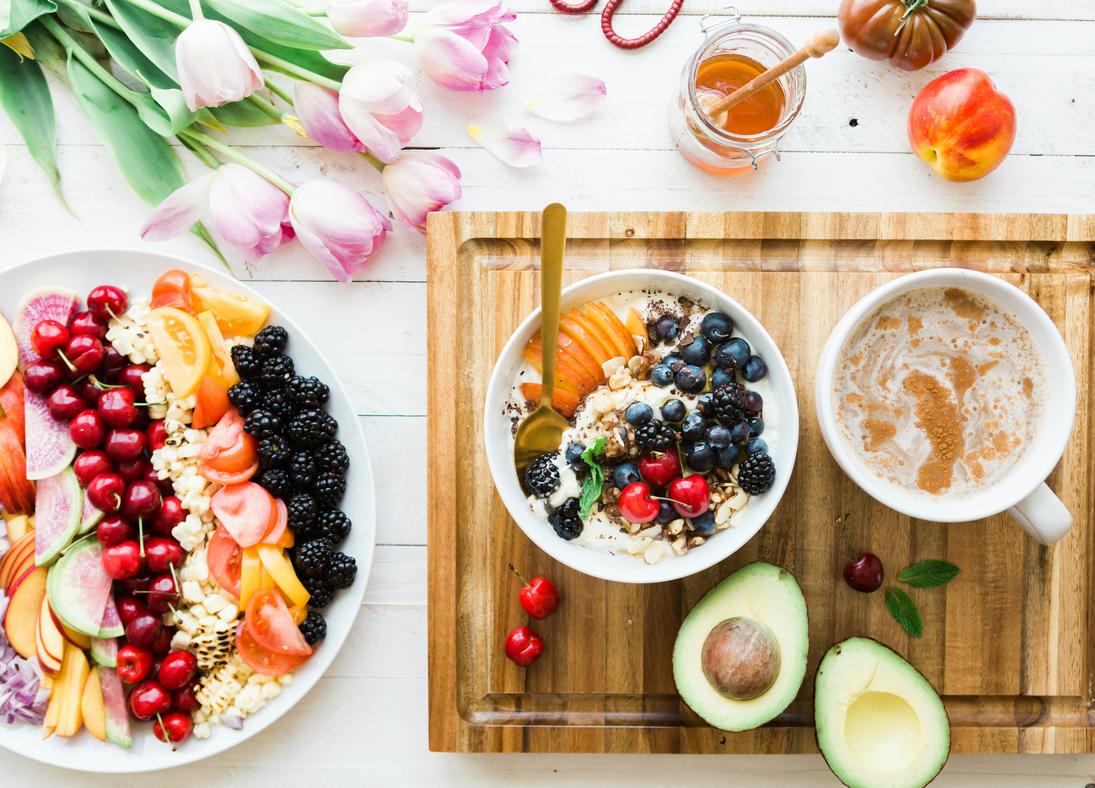
A colorful plate: that same chicken with roasted red peppers, purple cabbage, sweet potato, and spinach.
Same calories. Same protein. But the second plate gives you vitamin C, folate, beta carotene, and a dozen other compounds your body actually needs.
Eating the rainbow isn’t just pretty Instagram advice. It’s how you cover your bases without turning into a supplement junkie or spending hours on nutritional advice fhthgoodfood research.
Red tomatoes. Orange carrots. Green kale. Purple berries.
Different colors mean different nutrients. Eat a variety and you’re probably getting what you need.
Making It a Lifestyle: Sustainable Habits for Long-Term Success
You can’t meal prep your way out of bad habits forever.
But here’s what I’ve learned. When you make the healthy choice the easy choice, everything shifts.
The Power of Meal Prep
Most people think meal prep means spending your entire Sunday cooking 21 identical meals in plastic containers.
That’s not what I’m talking about.
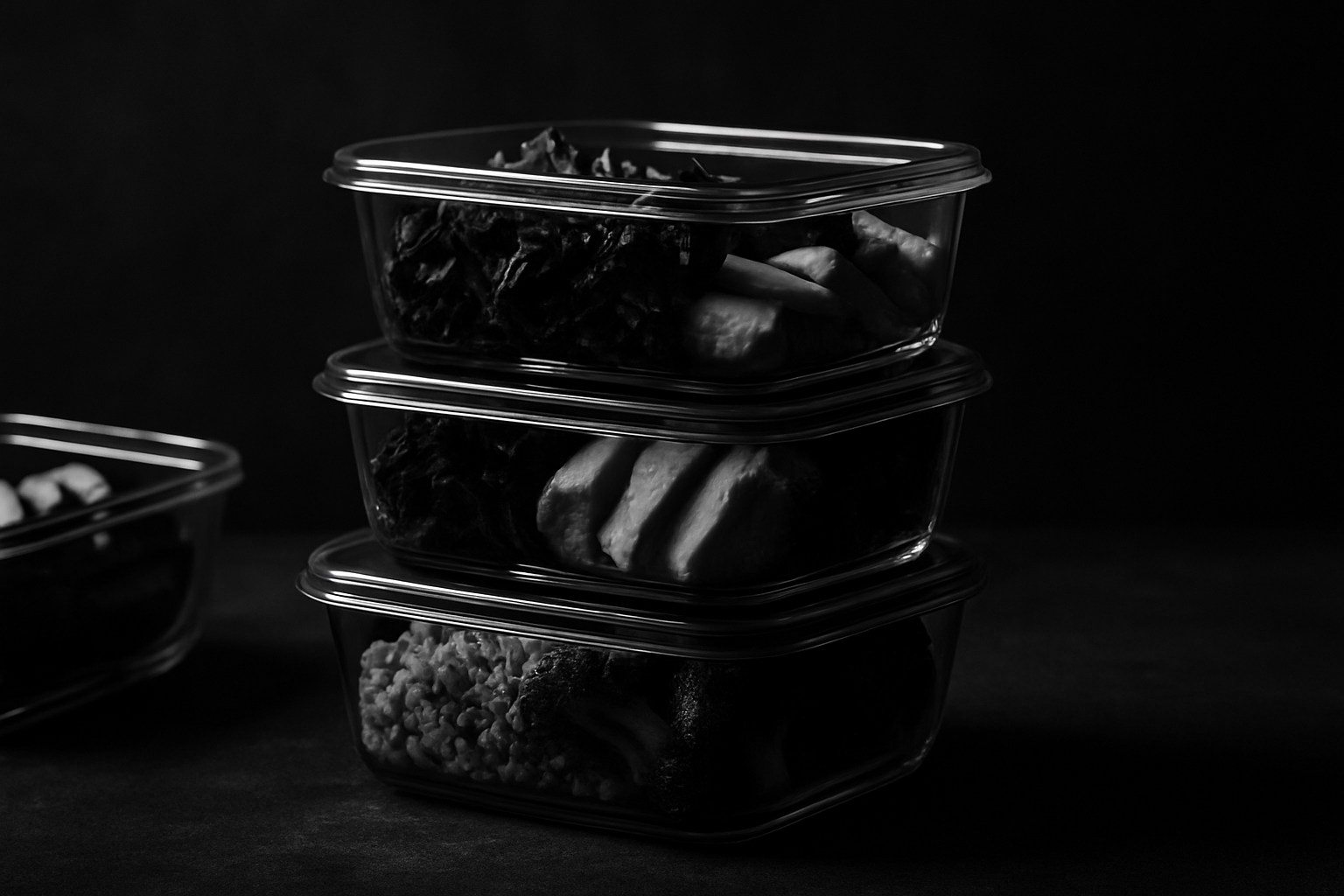
Start simple. Cook a big batch of rice or quinoa on Monday. Chop your vegetables for the week and store them in the fridge. Grill a few chicken breasts.
That’s it. I cover this topic extensively in Advice on Nutrition Fhthgoodfood.
Now when you’re hungry after work, you’re not staring into an empty fridge wondering why you didn’t just grab takeout. You’ve got the building blocks ready to go.
Practice Mindful Eating
I know you’ve heard this before. But most people skip right past it because it sounds too simple.
Slow down when you eat. Put your phone away. Actually taste your food.
Your body knows when it’s full. The problem is we’re usually three bites past that point before we even notice because we’re distracted or rushing.
When you pay attention to those hunger and fullness signals, you stop overeating without even trying. (And you actually enjoy your meals more, which is kind of the whole point.)
Consistency Over Perfection
Here’s where most people mess up.
They think one slice of pizza means the whole day is ruined. So they might as well eat the entire pie and start fresh tomorrow.
That’s not how this works.
A healthy lifestyle isn’t about never touching unhealthy snacks fhthgoodfood or eating perfectly clean 100% of the time. It’s about making good choices most of the time and not spiraling when you don’t.
You’re going to have pizza. You’re going to skip the gym sometimes. You’re going to eat dessert.
The question is what you do next. Do you get back to your routine or do you throw in the towel?
So what happens when life gets really busy and even your simple meal prep feels impossible? That’s when you need a backup plan. Keep a few go-to meals that take less than 15 minutes. Stock your pantry with basics that won’t go bad. Know which restaurants near you have options that align with your goals. In the fast-paced world of gaming, where time often slips away, having a reliable strategy for quick meals, like those offered by Nutrition Fhthgoodfood, can be a game-changer when life gets hectic. In the whirlwind of gaming and daily responsibilities, having quick meal solutions that adhere to principles like Nutrition Fhthgoodfood can ensure you maintain your energy without sacrificing quality or taste.
Because sustainability isn’t about being perfect when everything’s going well. It’s about having systems that work even when things get messy.
Your Journey to Better Nutrition Starts Now
You came here looking for clear answers about eating well.
I get it. The nutrition world is full of conflicting advice and complicated rules that make your head spin.
Here’s the truth: proper nutrition doesn’t have to be complicated or restrictive.
You now have the expert guidance you need to build a truly healthy and satisfying diet. No gimmicks or extreme measures required.
The solution is simpler than you think. Focus on whole foods and use the balanced plate method to fuel your body effectively. You’ll feel confident about what you’re eating without obsessing over every detail.
Start today by adding one more serving of vegetables to your next meal. That’s it.
Then explore our collection of delicious recipes at fhthgoodfood to put this guidance into practice. Real food that tastes good and makes you feel better.
You don’t need to overhaul everything at once. Small changes add up faster than you realize.
Your next meal is your next opportunity. Make it count.

 Ask Jalric Velmyre how they got into delicious recipe ideas and you'll probably get a longer answer than you expected. The short version: Jalric started doing it, got genuinely hooked, and at some point realized they had accumulated enough hard-won knowledge that it would be a waste not to share it. So they started writing.
What makes Jalric worth reading is that they skips the obvious stuff. Nobody needs another surface-level take on Delicious Recipe Ideas, Meal Prep Ideas, Healthy Eating Tips. What readers actually want is the nuance — the part that only becomes clear after you've made a few mistakes and figured out why. That's the territory Jalric operates in. The writing is direct, occasionally blunt, and always built around what's actually true rather than what sounds good in an article. They has little patience for filler, which means they's pieces tend to be denser with real information than the average post on the same subject.
Jalric doesn't write to impress anyone. They writes because they has things to say that they genuinely thinks people should hear. That motivation — basic as it sounds — produces something noticeably different from content written for clicks or word count. Readers pick up on it. The comments on Jalric's work tend to reflect that.
Ask Jalric Velmyre how they got into delicious recipe ideas and you'll probably get a longer answer than you expected. The short version: Jalric started doing it, got genuinely hooked, and at some point realized they had accumulated enough hard-won knowledge that it would be a waste not to share it. So they started writing.
What makes Jalric worth reading is that they skips the obvious stuff. Nobody needs another surface-level take on Delicious Recipe Ideas, Meal Prep Ideas, Healthy Eating Tips. What readers actually want is the nuance — the part that only becomes clear after you've made a few mistakes and figured out why. That's the territory Jalric operates in. The writing is direct, occasionally blunt, and always built around what's actually true rather than what sounds good in an article. They has little patience for filler, which means they's pieces tend to be denser with real information than the average post on the same subject.
Jalric doesn't write to impress anyone. They writes because they has things to say that they genuinely thinks people should hear. That motivation — basic as it sounds — produces something noticeably different from content written for clicks or word count. Readers pick up on it. The comments on Jalric's work tend to reflect that.