I’ve tried every diet trend that’s come through my kitchen over the years. Most of them lasted about as long as a carton of milk.
You’re probably tired of conflicting advice telling you to eat this but never that. One week carbs are fine, the next week they’re poison. It’s exhausting.
Here’s what I know works: simple food choices based on what your body actually needs. Not what some influencer is selling this month.
I started FHTH Good Food because I was fed up with complicated meal plans that required a nutrition degree to understand. Real people need real solutions that fit into busy lives.
This guide gives you a straightforward framework for eating well without turning your kitchen into a science lab. I’ll show you how to plan meals that don’t bore you, shop without spending three hours reading labels, and prep food that actually tastes good.
We focus on nutrition principles that have stood the test of time. The kind backed by research, not marketing budgets.
You’ll learn how to build eating habits that stick beyond January. No restriction. No guilt. Just food that fuels you properly.
This isn’t about perfection. It’s about making better choices most of the time and knowing which shortcuts are worth taking.
The Foundation: What ‘Good Nutrition’ Really Means
Let me tell you something that might surprise you.
Calories don’t tell the whole story.
I know that’s not what you’ve been hearing. Most diet advice starts and ends with counting calories. Eat less, move more, right?
But here’s what actually matters. The quality of what you eat.
You could hit your calorie target eating nothing but processed snacks and still feel awful. Your body needs real fuel, not just numbers on a label.
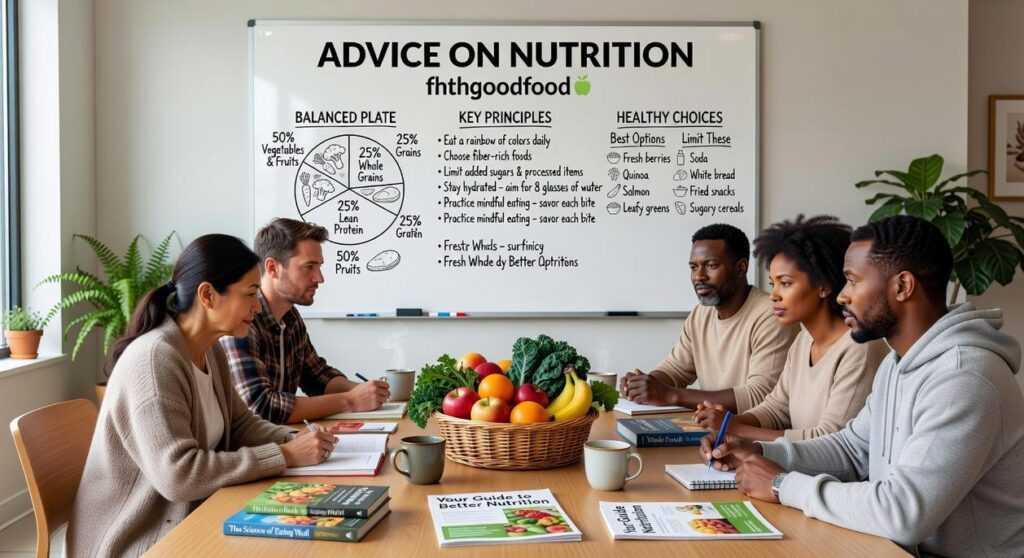
Think about nutrient density instead. That’s the amount of good stuff (vitamins, minerals, protein) packed into each bite. A handful of almonds beats a bag of chips every time, even if the calories match.
Now let’s talk about the big three.
Protein builds and repairs everything in your body. Your muscles, your skin, even your hair. I recommend getting it from sources like chicken, fish, beans, and eggs.
Carbohydrates give you energy to get through your day. But skip the white bread and sugary cereals. Go for complex carbs like oatmeal, sweet potatoes, and whole grains. They keep you full longer.
Healthy fats run your brain and balance your hormones. You need them. Look for unsaturated fats in avocados, olive oil, nuts, and fatty fish.
Here’s something most people miss about vitamins and minerals.
You can’t get everything you need from a pill. Your body absorbs nutrients better from actual food. That’s why I tell people to eat the rainbow. Red peppers, orange carrots, green spinach, purple cabbage. Different colors mean different nutrients.
The difference between whole foods and processed foods? Whole foods look like they came from nature. An apple. A piece of salmon. Brown rice. Processed foods come in boxes with ingredient lists you can’t pronounce.
Base your diet on whole foods and you’ll feel the difference within days. More energy, better sleep, clearer thinking. For more advice on nutrition Fhthgoodfood habits that stick, start with what’s on your plate right now.
Strategy #1: Master Meal Planning and Preparation
I’ll be honest with you.
When people tell me they don’t have time to meal plan, I get it. You’re busy. The idea of spending your Sunday afternoon cooking feels like another chore you don’t need.
Some folks say meal planning is too rigid. That it sucks the joy out of eating. They’d rather cook what they feel like having in the moment.
And look, I understand that argument.
But here’s what I’ve learned. When you don’t plan, you end up standing in front of your fridge at 7 PM with nothing ready. That’s when the takeout menu starts looking real good. Or you grab whatever’s fastest, which usually isn’t what your body needs. In those frantic moments when you’re staring blankly at your fridge, it’s easy to forget that planning ahead can lead to more satisfying meals, ensuring you enjoy the benefits of what I like to call Fhthgoodfood, rather than resorting to last-minute takeout. In those frantic moments when you’re staring blankly at the fridge, a quick and satisfying solution like Fhthgoodfood can make all the difference, turning a potential mealtime disaster into a nourishing feast.
Meal planning isn’t about removing spontaneity. It’s about having a safety net when life gets crazy.
The framework I use is simple. Plan, shop, prep. That’s it.
I spend one hour each week planning my meals and making a grocery list. Then I shop. The whole thing takes maybe two hours total, and it saves me from making stressed-out food choices the rest of the week.
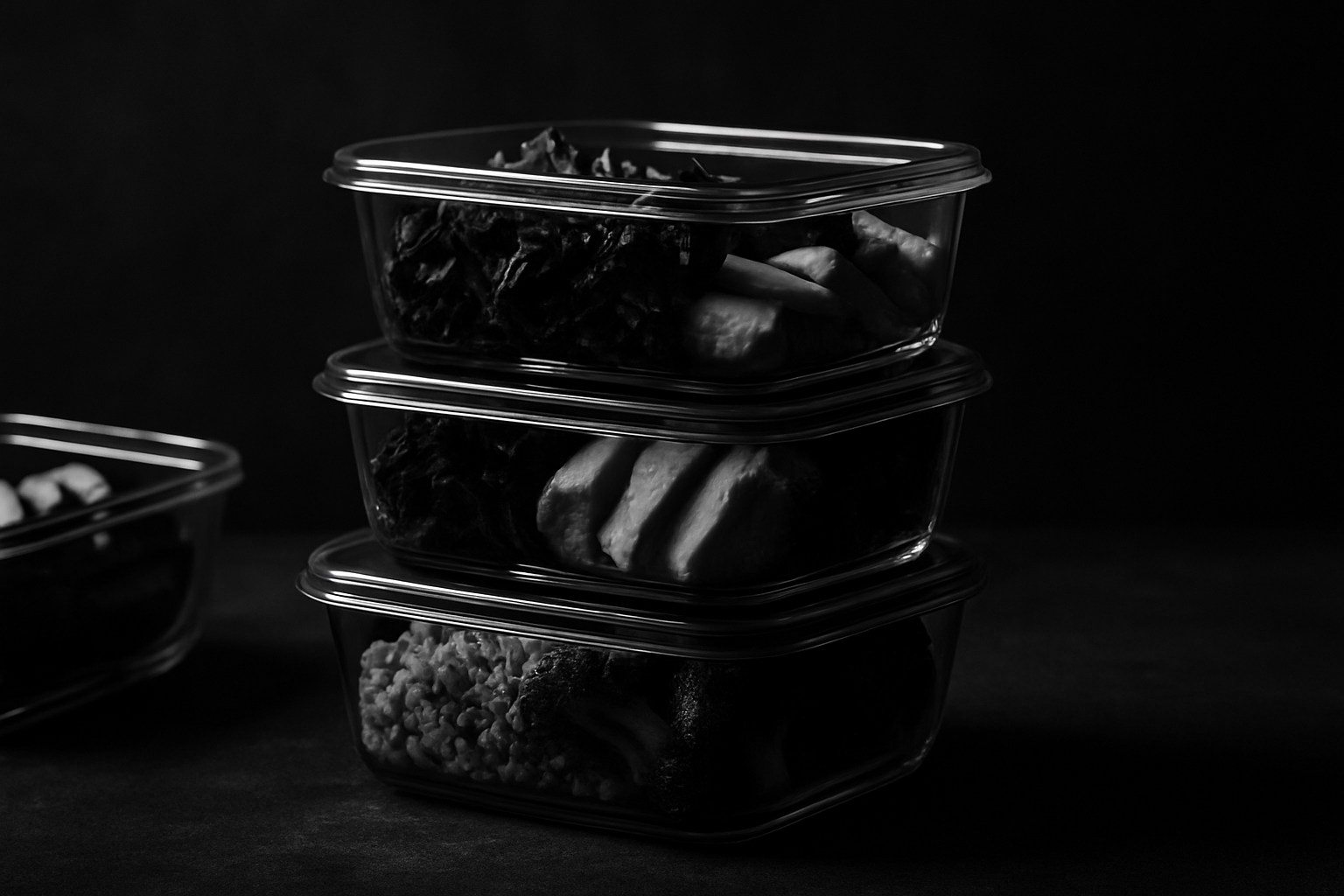
Here’s what works for me on prep day. I cook a big batch of quinoa or brown rice. I roast a sheet pan of mixed vegetables. I grill some chicken or tofu. These become building blocks for different meals throughout the week.
The real game changer? Containers.
I portion everything out right after cooking. Suddenly I’ve got grab-and-go meals that control my serving sizes without me having to think about it. No measuring at dinner time when I’m already hungry and likely to overeat.
You can find more meal prep strategies at fhthgoodfood if you want to dig deeper into this approach.
Does it take some time upfront? Sure. But it buys back way more time during the week when you’re not scrambling to figure out what’s for dinner.
Strategy #2: Build a Smarter Grocery Cart
I used to walk into the grocery store with good intentions.
Then I’d leave with a cart full of stuff I didn’t need. Chips because they were on sale. Frozen dinners that promised to be healthy but weren’t. You know how it goes.
Here’s what changed everything for me.
I started shopping the perimeter of the store. That’s where the real food lives. Fresh produce, lean meats, eggs, dairy. The stuff that doesn’t need a marketing team to convince you it’s good for you.
The middle aisles? That’s where they keep the processed stuff. I’m not saying never go there. But I spend maybe 20% of my time in those aisles now.
1. Shop the Outer Edges First
Fill your cart with what’s on the perimeter before you even think about the center aisles. You’ll naturally end up with better food.
2. Read Labels Like a Detective
I know some people say you should just eat whole foods and forget about labels entirely. And sure, an apple doesn’t need a nutrition label.
But most of us buy SOME packaged foods. When you do, flip that package over. Nutritional Advice Fhthgoodfood is where I take this idea even further.
Check the added sugars first. Then sodium. Then fiber. If the ingredient list reads like a chemistry textbook, put it back.
A good rule? If it has more than five ingredients you can’t pronounce, skip it.
3. Stock Your Pantry Right
I keep these on hand all the time:
- Canned beans and lentils
- Whole grain pasta
- Oats
- Nuts and seeds
- Quality olive oil
When your pantry has good staples, you can throw together a decent meal even when you’re tired. That’s when most people order takeout or grab whatever’s easy.
These nutrition hacks fhthgoodfood aren’t complicated. You just need to know what to look for before you start filling your cart.
Strategy #3: Embrace Mindful Eating and Hydration
You’ve probably heard this before.
Drink more water. Pay attention when you eat.
But most people brush it off because it sounds too simple to actually work.
Here’s what I think. Simple doesn’t mean ineffective. And ignoring these basics? That’s where a lot of us go wrong with our eating habits.
Some experts say you need to track every ounce of water and meditate before each meal. They make it sound like you need a PhD in mindfulness just to eat lunch. In a world where some experts insist that achieving true wellness means tracking every ounce of water and meditating before each meal, it’s refreshing to find communities like Fhthgoodfood that celebrate the joy of simple, mindful eating without the pressure of perfection. In a world where some experts insist that achieving true wellness means tracking every ounce of water and meditating before each meal, it’s refreshing to discover that indulging in Fhthgoodfood can be just as beneficial for the soul as any rigorous regimen.
That’s overkill.
I’m going to give you three things that actually move the needle. No complicated rituals. Just practical steps you can start today.
Why Water Actually Matters
Your body runs on water.
When you’re even slightly dehydrated, your energy tanks. Your digestion slows down. And here’s the kicker (your brain often confuses thirst with hunger).
You end up eating when you really just needed a glass of water.
My recommendation: Get a reusable bottle you actually like. Keep it with you. Aim to refill it throughout the day instead of counting ounces like it’s homework.
What Mindful Eating Really Means
Forget the fancy definitions.
Mindful eating just means you’re actually present when you eat. You’re not scrolling through your phone or watching TV while shoveling food into your mouth.
When you eat without distractions, you taste your food. You notice when you’re getting full. You enjoy the experience instead of treating it like a chore.
Here’s what to do:
- Put your phone in another room during meals
- Sit down at a table
- Chew slowly and actually taste what you’re eating
That’s it. No meditation required.
Listen to What Your Body Tells You
Your body knows when it’s hungry and when it’s had enough. I put these concepts into practice in Fhthgoodfood Latest Food Trends by Fromhungertohope.
The problem? Most of us stopped listening years ago. We eat because it’s noon, not because we’re hungry. We clean our plates because that’s what we were taught, not because we’re still hungry.
Start checking in with yourself. Before you eat, ask if you’re actually hungry or just bored. Halfway through your meal, pause and see if you’re still enjoying it or just eating on autopilot.
This one habit prevents overeating better than any diet rule I’ve ever tried.
When you combine proper hydration with mindful eating, you build a healthier relationship with food. You stop fighting your body and start working with it.
For more advice on nutrition fhthgoodfood habits that stick, the key is keeping things simple enough to actually follow.
Strategy #4: Cook for Flavor and Health
Here’s what most people get wrong about healthy cooking.
They think it means steaming everything until it tastes like cardboard. Or eating plain grilled chicken every single night.
That’s not cooking. That’s punishment.
I’m going to be honest with you. If your healthy food doesn’t taste good, you won’t stick with it. I don’t care how much willpower you think you have.
The real secret? Cooking methods that bring out flavor without drowning everything in oil or butter.
Roasting is my go-to. Toss some broccoli with garlic and lemon, throw it in a hot oven, and you get these crispy edges that taste nothing like the mushy stuff you remember from childhood. Same goes for Brussels sprouts or cauliflower.
Grilling works the same way. You get char and smoke without adding much fat at all.
Stir-frying is another winner if you do it right. High heat, quick cooking, and you keep all those bright flavors and textures. You need way less oil than you think.
Now let’s talk about seasoning.
Most recipes lean hard on salt or those pre-made sauces loaded with sugar and sodium. But here’s the thing. Herbs and spices can do the heavy lifting if you let them.
I season chicken with smoked paprika and cumin all the time. It tastes like I spent hours on it when really it took five minutes. Garlic, citrus, fresh herbs… these are what make food worth eating.
You don’t need fancy techniques or expensive ingredients. Just better methods and bolder flavors. That’s how you make healthy food that actually makes you want to come back for seconds (and for advice on nutrition fhthgoodfood, that’s what matters most). By embracing simple yet effective cooking techniques and exploring the vibrant realm of flavors, you can transform your meals into delightful experiences that not only satisfy your palate but also align with the principles found in Nutrition Hacks Fhthgoodfood. By incorporating practical Nutrition Hacks Fhthgoodfood into your meals, you can elevate your cooking without breaking the bank, turning healthy eating into an enjoyable and satisfying experience.
Building a Healthier You, One Meal at a Time
I get it. Changing how you eat feels overwhelming.
You’ve read through this guide and maybe you’re thinking it’s too much to tackle at once. That’s normal.
Here’s the truth: healthy eating isn’t about being perfect. It’s about building small habits that stick.
You don’t need to overhaul your entire kitchen tomorrow. You don’t need to meal prep like a professional chef or memorize nutrition labels.
What you do need is a starting point.
Pick one thing from this guide. Maybe it’s planning your meals on Sunday. Maybe it’s keeping cut vegetables in your fridge. Or maybe it’s just eating without your phone for one meal a day.
Start there and build from there.
When you focus on planning, smart shopping, and staying mindful about what you eat, you take control. That’s when real change happens.
Your relationship with food is a journey. Some weeks will be easier than others and that’s okay.
Choose one tip this week. Just one. Put it into practice and see how it feels.
For more recipe ideas and nutrition advice, visit fhthgoodfood where I share practical tips that actually work in real kitchens.
Small steps add up. Your healthier life starts with the next meal you make.

 Ask Jalric Velmyre how they got into delicious recipe ideas and you'll probably get a longer answer than you expected. The short version: Jalric started doing it, got genuinely hooked, and at some point realized they had accumulated enough hard-won knowledge that it would be a waste not to share it. So they started writing.
What makes Jalric worth reading is that they skips the obvious stuff. Nobody needs another surface-level take on Delicious Recipe Ideas, Meal Prep Ideas, Healthy Eating Tips. What readers actually want is the nuance — the part that only becomes clear after you've made a few mistakes and figured out why. That's the territory Jalric operates in. The writing is direct, occasionally blunt, and always built around what's actually true rather than what sounds good in an article. They has little patience for filler, which means they's pieces tend to be denser with real information than the average post on the same subject.
Jalric doesn't write to impress anyone. They writes because they has things to say that they genuinely thinks people should hear. That motivation — basic as it sounds — produces something noticeably different from content written for clicks or word count. Readers pick up on it. The comments on Jalric's work tend to reflect that.
Ask Jalric Velmyre how they got into delicious recipe ideas and you'll probably get a longer answer than you expected. The short version: Jalric started doing it, got genuinely hooked, and at some point realized they had accumulated enough hard-won knowledge that it would be a waste not to share it. So they started writing.
What makes Jalric worth reading is that they skips the obvious stuff. Nobody needs another surface-level take on Delicious Recipe Ideas, Meal Prep Ideas, Healthy Eating Tips. What readers actually want is the nuance — the part that only becomes clear after you've made a few mistakes and figured out why. That's the territory Jalric operates in. The writing is direct, occasionally blunt, and always built around what's actually true rather than what sounds good in an article. They has little patience for filler, which means they's pieces tend to be denser with real information than the average post on the same subject.
Jalric doesn't write to impress anyone. They writes because they has things to say that they genuinely thinks people should hear. That motivation — basic as it sounds — produces something noticeably different from content written for clicks or word count. Readers pick up on it. The comments on Jalric's work tend to reflect that.