You’ve probably stumbled upon the term manwijf Shrek in a meme or comment section and wondered, what on earth does that mean? I’m here to break it down for you. This article will explain the Dutch word “manwijf” and how it connects to everyone’s favorite ogre, Shrek.
Internet culture has a way of blending languages and pop culture references in the most unexpected ways. It can be confusing, but also fascinating.
I’ll give you a clear, straightforward explanation. We’ll cover the definition, the specific characters involved, and the cultural context behind the term.
This is a great example of how language and media intersect online. Let’s dive in.
What Does the Dutch Word ‘Manwijf’ Actually Mean?
Let’s get straight to it. The Dutch word manwijf literally translates to “man-wife.” It’s a term you might hear in the Netherlands and Belgium, but it’s not exactly a compliment.
Often, it’s used as a derogatory or pejorative term for a woman who is seen as overly masculine, coarse, or unfeminine. Think of it as a harsher version of English terms like “tomboy,” “butch,” or “mannish.”
So, what kind of traits might earn someone this label? A deep, resonant voice, and a large, imposing physical stature.
Aggressive or assertive behavior. Or maybe a lack of interest in traditionally feminine things. You can almost picture it—a woman with a no-nonsense attitude, striding into a room with a presence that commands attention.
While manwijf is typically negative, like many slang terms, its severity can depend on the context and the intent of the speaker. Sometimes, it might be used playfully among friends, though it’s still a loaded term.
Now, if you’ve ever watched Shrek, you might have noticed a character that could fit this description. In the Shrek universe, there are characters who embody these traits, making them stand out in a way that’s both memorable and, at times, a bit rough around the edges.
In essence, manwijf is a term that carries a lot of weight and should be used with caution.
The Shrek Connection: Which Character and Why?

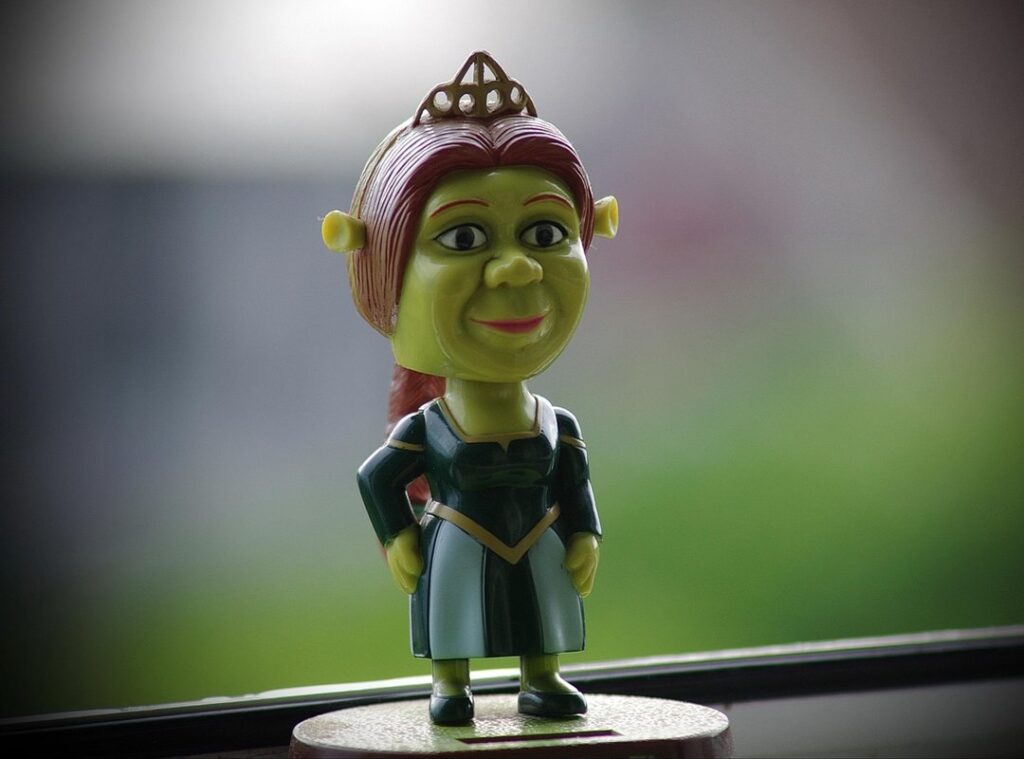
When it comes to the term manwijf in Shrek, two characters often come up: Doris the Ugly Stepsister and Princess Fiona in her ogre form.
Doris is a common target for the term. Her deep voice, broad shoulders, and five-o’clock shadow make her stand out. Voiced by Larry King, she’s also a tough bartender at the Poison Apple pub.
Fiona, on the other hand, subverts the traditional ‘damsel in distress’ trope. She has impressive fighting skills, assertiveness, and physical strength. Remember her Matrix-style fight scene in the first movie?
It’s a clear departure from the typical princess stereotype.
The term manwijf is used by viewers as a form of descriptive, often crude, shorthand. It highlights these characters’ non-traditional femininity.
This connection likely originated and spread through internet meme culture, especially on forums and social media platforms with Dutch-speaking users. They found a way to describe these strong, unconventional female characters in a way that resonated with their experiences. manwijf shrek
So, next time you hear manwijf shrek, you’ll know it’s about Doris and Fiona, and why they earned that title.
Shrek’s Legacy of Subverting Gender Stereotypes
When I first watched Shrek, I didn’t fully grasp the depth of its subversion. The film wasn’t just a fun, quirky take on fairy tales; it was a bold statement about gender norms and stereotypes.
Princess Fiona’s character arc is central to this theme. She learns to embrace her ‘ogre’ side, which is strong and unconventional, rather than conforming to the classic princess image. It’s a powerful message.
I remember thinking, “Why is she so different from other princesses?” But that’s the point. Fiona challenges the idea that a princess must be delicate and in need of rescue.
The Big Bad Wolf dressed in grandma’s clothing is another example. This character plays with gender presentation, showing that these themes are woven throughout the franchise.
One term that came up in discussions was manwijf shrek. Whether used positively or negatively, it highlights how the films successfully created memorable, non-traditional female figures.
These characters force audiences to confront their own preconceived notions of what a ‘princess’ or a ‘stepsister’ should be. It’s a lesson in how media can shape and challenge our views.
Looking back, I realize my initial skepticism was a mistake. The Shrek franchise isn’t just entertainment; it’s a cultural critique. And that’s something I’ve learned to appreciate more over time.
How Internet Culture Blurs Language and Media
Let’s talk about the manwijf Shrek phenomenon. It’s a perfect case study of modern internet culture.
Online communities have this unique ability to take hyper-specific, regional slang and attach it to globally recognized media. It’s fascinating, really.
Memes play a huge role in this. They strip away the term’s original cultural context and give it a new, visual one.
Think about it. Many people who use or see the manwijf Shrek meme aren’t even Dutch speakers. They learn the word’s meaning through its pop culture association.
This is a common pattern online. The internet acts as a melting pot for language, jokes, and shared cultural touchstones. It’s like a big, chaotic, and often hilarious stew.
In my opinion, this blending is what makes the internet so dynamic and exciting. It breaks down barriers and creates new, unexpected connections.
More Than Just a Meme: Language, Stereotypes, and Ogres
The article reveals that manwijf shrek is a Dutch term for a masculine woman, and it’s associated with Shrek characters like Doris and Ogre Fiona. These characters challenge traditional gender roles. This connection is a product of internet meme culture.
It highlights the Shrek films’ deliberate subversion of fairy tale stereotypes. A simple, strange-seeming keyword can reveal interesting things about the intersection of language, culture, and our favorite movies.

 Carol Manginorez is the kind of writer who genuinely cannot publish something without checking it twice. Maybe three times. They came to meal prep ideas through years of hands-on work rather than theory, which means the things they writes about — Meal Prep Ideas, Food Trends and Culture, Healthy Eating Tips, among other areas — are things they has actually tested, questioned, and revised opinions on more than once.
That shows in the work. Carol's pieces tend to go a level deeper than most. Not in a way that becomes unreadable, but in a way that makes you realize you'd been missing something important. They has a habit of finding the detail that everybody else glosses over and making it the center of the story — which sounds simple, but takes a rare combination of curiosity and patience to pull off consistently. The writing never feels rushed. It feels like someone who sat with the subject long enough to actually understand it.
Outside of specific topics, what Carol cares about most is whether the reader walks away with something useful. Not impressed. Not entertained. Useful. That's a harder bar to clear than it sounds, and they clears it more often than not — which is why readers tend to remember Carol's articles long after they've forgotten the headline.
Carol Manginorez is the kind of writer who genuinely cannot publish something without checking it twice. Maybe three times. They came to meal prep ideas through years of hands-on work rather than theory, which means the things they writes about — Meal Prep Ideas, Food Trends and Culture, Healthy Eating Tips, among other areas — are things they has actually tested, questioned, and revised opinions on more than once.
That shows in the work. Carol's pieces tend to go a level deeper than most. Not in a way that becomes unreadable, but in a way that makes you realize you'd been missing something important. They has a habit of finding the detail that everybody else glosses over and making it the center of the story — which sounds simple, but takes a rare combination of curiosity and patience to pull off consistently. The writing never feels rushed. It feels like someone who sat with the subject long enough to actually understand it.
Outside of specific topics, what Carol cares about most is whether the reader walks away with something useful. Not impressed. Not entertained. Useful. That's a harder bar to clear than it sounds, and they clears it more often than not — which is why readers tend to remember Carol's articles long after they've forgotten the headline.