What “Authentic” Really Means in 2026
The word “authentic” gets thrown around a lot, especially when it’s tied to something as beloved and as debated as Italian pasta. But in 2026, authenticity isn’t about dogma. It’s about balance: respecting tradition without becoming rigid, embracing creativity without turning every dish into a fusion experiment gone sideways.
Take Roman vs. Neapolitan pasta styles. Rome leans minimalist cheese, black pepper, a touch of reserved pasta water executed with surgical precision. Naples, on the other hand, brings bolder flavors: brighter tomatoes, sea inspired elements, and a bit more mess on the plate (in a good way). Different histories, different ingredients, different goals. Neither one is more “Italian” they’re just authentically themselves.
And here’s the thing: none of it works without good ingredients. No algorithm can fix bad olive oil. No plating trick turns rubbery pecorino into quality cheese. Whether you’re cracking eggs into flour or building a Bolognese, starting with top shelf raw materials is non negotiable. Authenticity lives in the details. Not just how you cook, but what you cook with.
Must Have Ingredients for the Real Deal
To make truly authentic Italian pasta dishes at home, it all starts with the ingredients. Each item you choose flour, eggs, oil, tomatoes, and cheese affects texture, taste, and overall credibility. Here’s how to get it right.
Flour: Semolina vs. 00
The foundation of pasta is the flour, and not all flours are created equal.
00 Flour: Ultra fine and soft, 00 is ideal for silky, delicate pasta like tagliatelle or fettuccine. Common in northern Italian pasta.
Semolina Flour: A bit coarser, made from durum wheat. Perfect for firmer shapes like orecchiette and rigatoni. Typically used in southern Italy.
Tip: For homemade pasta, many Italian cooks use a mix of both for the right balance of elasticity and bite.
Fresh Eggs & Quality Olive Oil
Cutting corners here will show in your final dish.
Eggs: Pasture raised with deep orange yolks bring both color and richness to egg based pasta dough.
Olive Oil: Use extra virgin, cold pressed oil for finishing not just cooking. It adds depth and aroma that cheaper oils simply can’t replicate.
Tomato Sanity: DOP Certified or Bust
Not all canned tomatoes are equal and in Italian cooking, this matters more than most think.
DOP Certified Tomatoes: These are regulated for origin and quality San Marzano is the gold standard. Expect depth, sweetness, and low acidity.
Generic Canned Tomatoes: Often more watery, sometimes metallic in flavor, and lacking overall complexity.
Making a rich, balanced tomato based sauce starts with the right tomatoes. Look for labels like “Pomodoro San Marzano dell’Agro Sarnese Nocerino DOP.”
Real Cheese Only
Grated cheese isn’t just a topping it’s part of the soul of the dish.
Pecorino Romano: Sharp, salty, and crumbly. Essential for dishes like Cacio e Pepe or Amatriciana.
Parmigiano Reggiano: Nutty, dense, and aged to perfection use it for finishing, grating, or melting.
Avoid Substitutes: Parmesan style cheese or “shaker can” versions miss the mark in both flavor and texture.
A good rule: if it’s not aged, imported, and labeled correctly, it probably doesn’t belong in authentic Italian pasta.
Thoughtful sourcing gives your pasta depth and integrity before you even start to cook. Use real ingredients and half the work is already done.
Pasta from Scratch (Yes, You Can Do It)
There’s a reason Italian nonnas hand roll pasta. Control, feel, and a kind of rhythm you just don’t get from a machine. That said, pasta rollers do make life easier, especially for beginners or busy weeknights. Use a machine if you want uniform sheets fast great for lasagna, tagliatelle, or stuffed pasta bases. Grab the rolling pin when you’re going rustic or want to connect with the dough, literally.
Shaping versus filling comes down to dough thickness, texture, and the kind of meal you’re making. Wide ribbons like tagliatelle shine with heavier sauces ragù, porcini, butter and sage. Ravioli? They call for structure and sealing, so your filling doesn’t explode mid boil. Orecchiette isn’t glamorous but thrives on stubborn hand pressure to get that thumbprint texture.
Once your pasta’s made, don’t waste your effort. If you’re using it fresh, let it rest for 15 30 minutes dusted with semolina. For drying, hang or spread it out fully no clumping allowed. If freezing, store in single layers on parchment and freeze solid before bagging. And when in doubt, label everything. Your future self, hungry on a Thursday night, will thank you.
Five Core Dishes to Master
Cacio e Pepe: Simplicity Requires Technique
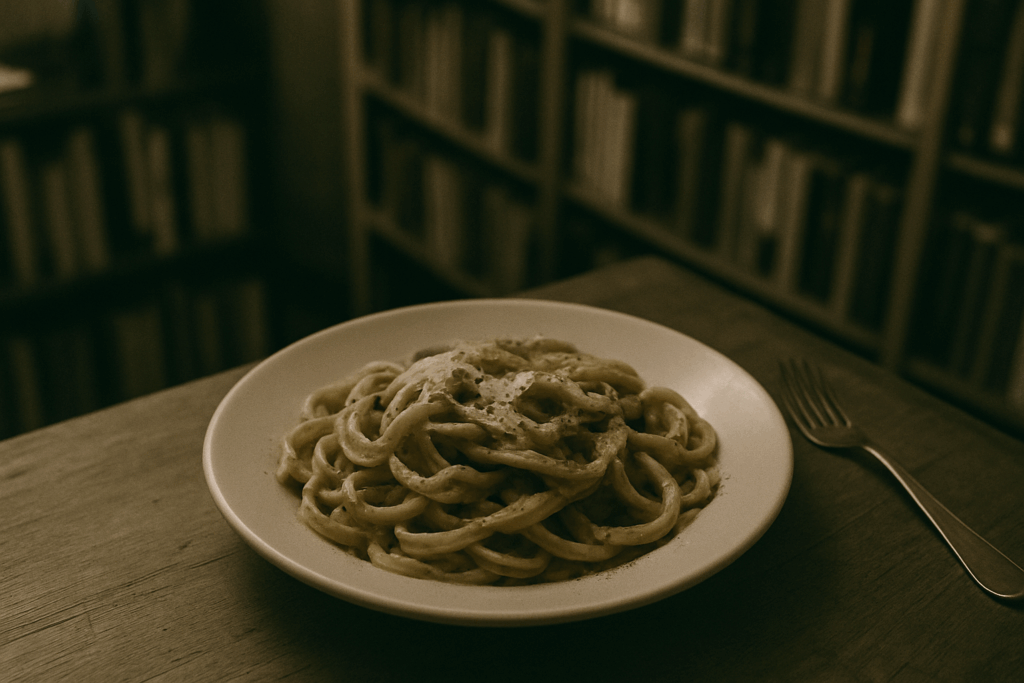
This dish is a two ingredient gut check. Pecorino Romano and black pepper nothing more. But don’t let that fool you. Getting it right means managing the pasta water like a sauce base, never overheating the cheese, and working fast but smooth. Clumping is the enemy. Focus, stir, and don’t walk away. When it’s done right, it’s creamy without cream, sharp without being harsh.
Carbonara: No Cream. Ever.
The true Roman way is eggs, guanciale, Pecorino Romano, and spaghetti or rigatoni. That’s it. If someone hands you a plate with cream in the sauce, it’s not carbonara. The heat from the pasta gently cooks the egg into a silky sauce technique matters here. You need timing and confidence. And if you can get guanciale instead of bacon, do it. The depth of flavor’s on another level.
Tagliatelle al Ragù: Patience Builds Real Flavor
Making a proper ragù isn’t glamorous, but it’s real cooking. Start with a soffritto, brown the meat slow, let the sauce reduce for hours. This isn’t your 30 minute weeknight pasta. Good tagliatelle is wide, eggy, and handmade if possible. The sauce should cling to the noodles like they were meant for each other, because they are.
Pesto alla Genovese: Fresh Basil, Mortar and Pestle Magic
Don’t butcher this with a blender. Traditional pesto’s hand ground in a mortar to preserve the oils and flavors of the basil, garlic, pine nuts, Pecorino, and Parmigiano. Your job is not speed it’s texture and taste. Use a light olive oil, and don’t overwork it. This is where raw ingredients sing straight into the dish.
Seafood Linguine: Light, Briny, and Timed Just Right
This dish lives or dies by timing. Overcooked seafood ruins it in seconds. Fresh mussels, clams, or shrimp go in just before serving enough to steam open and infuse the sauce. White wine, garlic, olive oil, maybe a sprig of parsley. Linguine holds the light broth perfectly. Never drown it in tomato. This is about balance, not boldness.
Real Techniques That Make the Difference
Let’s get straight to it: technique is what separates decent pasta from great pasta. And some of the most overlooked moves happen after the sauce is technically “done.”
First up, starch. That cloudy pasta water you usually toss down the sink? Don’t. It’s liquid gold. A ladle of starchy water swirled into your sauce helps it cling to the pasta and creates that silky, almost creamy texture without adding cream. Use it wisely, and use it hot.
Next: stop serving pasta like it’s steamed vegetables. Take it out of the boiling water just before it’s done and finish it in the pan with the sauce. This is where flavors marry. It’s not just heating; it’s chemistry. This step is non negotiable.
Salt matters too. Season your pasta water heavily it should taste like the sea. But don’t stop there. Taste your sauce before plating. Some ingredients already bring salt; others need help. Good pasta isn’t shy on flavor.
Last, don’t underestimate the power of knife work and timing. Herbs aren’t a garnish; they’re a layer of flavor. Chop them fresh and add them last, right before serving. That burst of aroma? That’s memory making stuff. And if you’re still using dull knives? Fix that.
Seasonal Adaptability
In Italy, pasta isn’t just a dish it’s a reflection of the season. Walk into a Roman kitchen in May and you’ll find fettuccine tossed with fresh peas, mint, maybe a hint of lemon zest. By October, that same pasta might carry wild mushrooms, pancetta, or slow cooked pumpkin. It’s not about reinventing pasta every month it’s about subtle, smart swaps that match what’s in season.
Spring pasta is lighter, greener. Think primavera with asparagus tips, or trofie with zucchini and a handful of basil. Summer leans juicy roasted cherry tomatoes, eggplant, fresh ricotta. Autumn leans into earthier things radicchio, chestnuts, sage. Winter’s when rich ragùs and velvety baked pasta take over. Italians let the market guide the menu.
Instead of squeezing summer tomatoes in January, better to pivot to canned San Marzanos and focus on deep flavor. The goal isn’t to replicate summer it’s to honor the now. Your pasta should taste like the time of year you’re eating it.
For more ideas, check out Creative Ways to Use Seasonal Vegetables in Everyday Meals.
Your Kitchen is Your Trattoria
Truth is, you don’t need a marble countertop or a thousand dollar pasta machine to make great Italian food. What you do need is a rolling pin, a heavy bottomed pot, and a good microplane nothing fancy, just reliable tools that do their job well. Most traditional Italian homes run on the basics. Your gear should help, not distract.
Technique beats tech. Learning to feel the dough, judge when pasta water is ready, or fold ragù over hours takes time. But that time pays off. Cooking this way slows you down just enough to connect with your food. It’s not nostalgia it’s effectiveness. Good pasta doesn’t rush.
Even in 2026, when our calendars are stacked and screens never stop pinging, slow cooking is a form of quiet protest. A resistance to shortcuts. People crave the taste of care. So crank the burner to low, stir the sauce like you mean it, and let your kitchen double as your trattoria simple, personal, proud.

 Carol Manginorez is the kind of writer who genuinely cannot publish something without checking it twice. Maybe three times. They came to meal prep ideas through years of hands-on work rather than theory, which means the things they writes about — Meal Prep Ideas, Food Trends and Culture, Healthy Eating Tips, among other areas — are things they has actually tested, questioned, and revised opinions on more than once.
That shows in the work. Carol's pieces tend to go a level deeper than most. Not in a way that becomes unreadable, but in a way that makes you realize you'd been missing something important. They has a habit of finding the detail that everybody else glosses over and making it the center of the story — which sounds simple, but takes a rare combination of curiosity and patience to pull off consistently. The writing never feels rushed. It feels like someone who sat with the subject long enough to actually understand it.
Outside of specific topics, what Carol cares about most is whether the reader walks away with something useful. Not impressed. Not entertained. Useful. That's a harder bar to clear than it sounds, and they clears it more often than not — which is why readers tend to remember Carol's articles long after they've forgotten the headline.
Carol Manginorez is the kind of writer who genuinely cannot publish something without checking it twice. Maybe three times. They came to meal prep ideas through years of hands-on work rather than theory, which means the things they writes about — Meal Prep Ideas, Food Trends and Culture, Healthy Eating Tips, among other areas — are things they has actually tested, questioned, and revised opinions on more than once.
That shows in the work. Carol's pieces tend to go a level deeper than most. Not in a way that becomes unreadable, but in a way that makes you realize you'd been missing something important. They has a habit of finding the detail that everybody else glosses over and making it the center of the story — which sounds simple, but takes a rare combination of curiosity and patience to pull off consistently. The writing never feels rushed. It feels like someone who sat with the subject long enough to actually understand it.
Outside of specific topics, what Carol cares about most is whether the reader walks away with something useful. Not impressed. Not entertained. Useful. That's a harder bar to clear than it sounds, and they clears it more often than not — which is why readers tend to remember Carol's articles long after they've forgotten the headline.