
Why Packing Lunch is Smarter in 2026
With the rising cost of groceries and restaurant meals, more people are realizing the benefits of packing their own lunch. But it’s not just about saving money homemade meals come with other powerful advantages.
Cost Effective and Budget Friendly
As food prices climb, packing your lunch can help you stick to your budget without sacrificing nutrition or satisfaction.
Buying ingredients in bulk saves money over time
Leftovers from dinner make excellent next day meals
Less temptation to overspend on impulse takeout or vending machine snacks
Control Over Nutrition
When you prepare your own meals, you’re in charge of what goes in making it easier to stay aligned with your health and dietary goals.
Adjust portion sizes, seasoning, and cooking methods to suit your needs
Avoid excess sodium, added sugars, and unhealthy fats common in restaurant meals
Accommodate dietary needs like gluten free, plant based, or low carb easily
A Greener, Cleaner Habit
Packing lunch isn’t just good for your wallet and health it’s also better for the planet.
Reduces single use packaging and excess plastic waste from takeout
Encourages the use of reusable containers and eco friendly portions
Helps cut down on uneaten, spoiled food when meals are planned ahead
Bringing your own lunch is a small change that adds up fiscally, nutritionally, and environmentally. In 2026, it’s not just smart. It’s essential.
Build a Balanced Box: The 5 Part Formula
A strong lunch box doesn’t need to be fancy. It needs the right parts, plain and simple. Here’s how to build meals that keep you going without extra effort.
Protein: This is your anchor the thing that keeps hunger in check for more than an hour. Go with options like grilled chicken, hard boiled eggs, canned lentils, baked tofu, or a scoop of Greek yogurt. They hold up well, pack serious nutrition, and don’t make a mess.
Healthy starches: Think long burn, not sugar spike. Quinoa, roasted sweet potatoes, and whole grain wraps give solid energy without the crash. Toss them in a grain bowl, wrap them with greens, or eat them straight. They’re quiet staples that do the work.
Fats that fuel: Good fats keep your brain humming and your lunch satisfying. A few slices of avocado, a handful of nuts, or a spoonful of seeds get the job done. Olive oil in a simple vinaigrette can pull everything together on the fly.
Boost with veg: If it’s colorful, it likely belongs. Roasted zucchini, raw bell peppers, spiralized carrots, or a small salad. Mix raw with cooked for better texture, and keep it simple so it actually gets eaten.
Something sweet: End it right without going overboard. A small square of dark chocolate, a couple of dates, or a handful of grapes or melon chunks. Just enough to satisfy that after lunch itch without setting you up for a crash.
Build it once, get it right, repeat.
Quick Ideas for Grown Ups
You don’t need a five star kitchen or three hours to prep a decent lunch. Here are four no fuss combos that check all the boxes: filling, balance, and just enough flavor to keep you looking forward to the break.
Turkey hummus wrap + baby carrots + trail mix
Lean protein, fiber, and a snack that doesn’t make noise in the office. Wrap it tight, toss it in your bag, done.
Grain bowl with salmon, arugula, and tahini drizzle
Use canned salmon if you’re in a rush. Add leftover grain (quinoa, brown rice), toss in fresh greens, and drizzle with tahini or olive oil. Keeps you full without crashing.
Leftover curry + brown rice
Curry actually tastes better the next day. Pack it in a thermos or reheat it fast at work. Comfort food with staying power.
Bento box with boiled eggs, olives, cucumber sticks, and feta
Works cold, packs nutrients, and doesn’t take much prep. Add a handful of crackers or pita if you want carbs in the mix.
Keep it simple. A solid combo beats a sad desk salad any day.
School Lunches That Actually Get Eaten
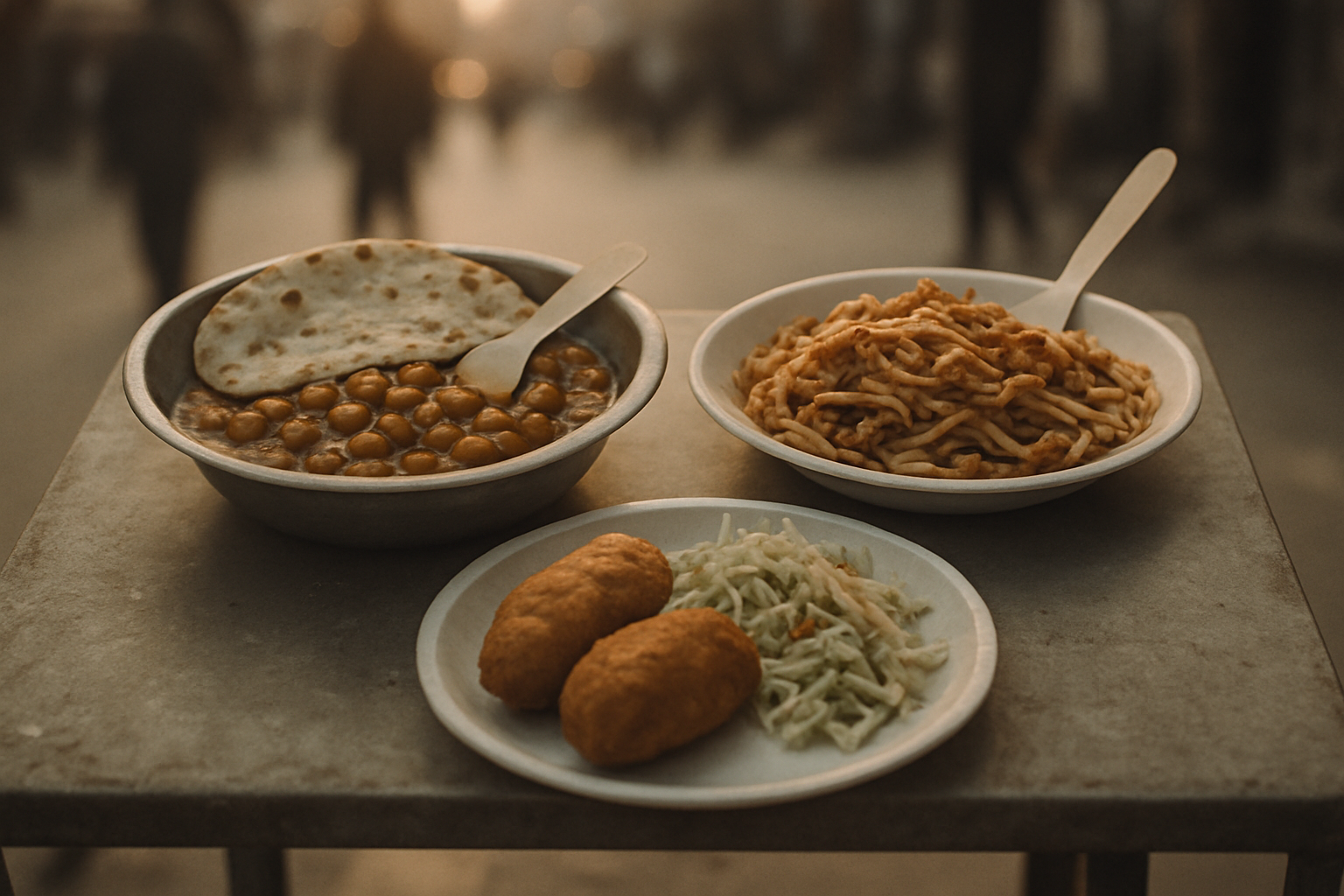
Getting kids to eat what you pack is half the battle and frankly, a cold PB&J isn’t going to cut it anymore. The trick is to keep it simple, flavorful, and just playful enough to hold their attention.
Mini quesadillas are a solid win easy to make, melty to eat, and snackable by design. Toss in some guac for dipping and a side of firm fruit like apple slices or grapes. It’s kid proof and holds up well through the school day.
Pasta salad is another stress free option. Use short pasta mixed with peas, cheese cubes, and whatever rotisserie chicken you’ve got left over. It’s tasty cold and hits all the food groups.
For the grazer type kid, a DIY style snack box works wonders. Fill compartments with whole grain crackers, deli meat roll ups, and crisp veggie sticks. Let them assemble bites in whatever order they like it feels fun and gives them some control.
Small tweaks make a big difference. Use colorful containers or bento boxes with compartments. Skewers or toothpicks can turn basic foods into something more engaging. Bottom line: if lunch looks fun, odds are it won’t come back untouched.
Prep Smarter, Not Harder
Weekend prep isn’t just for fitness influencers it saves time, money, and weekday brainpower. Start with the basics: choose two or three proteins (chicken thighs, hard boiled eggs, lentils) and a couple of grains (quinoa, brown rice, farro). Cook them in big batches, season simply, and store them individually.
Throughout the week, mix and match to avoid repetition. Monday’s lemon chicken with quinoa can turn into Thursday’s taco bowl with added beans and salsa. A scoop of rice goes just as well under a curry or in a kid friendly burrito wrap. Keep a few sauces, roasted veg, and washed greens in rotation for variety that doesn’t feel like effort.
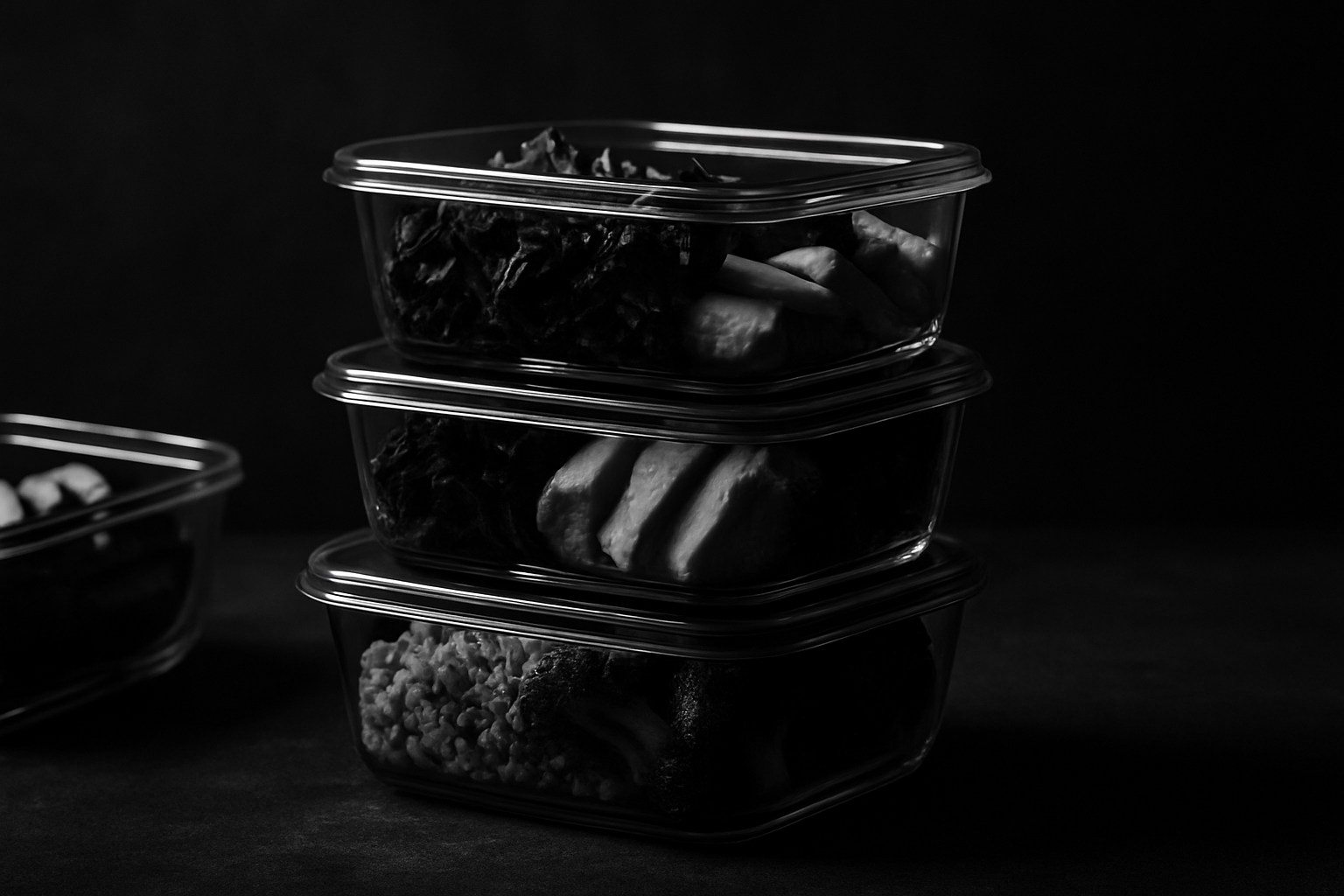
Stackable, portioned containers are your best friend here grab, pack, and go. No last minute scrambling, and no excuses.
If you’re bored of eating the same protein five days in a row, check out our guide on How to Batch Cook Without Getting Bored.
Final Pro Tips
Small changes make a big difference when it comes to packing lunches that actually hold up until mealtime. First, keep your cold items cold. This isn’t just about freshness it’s about food safety. Use insulated bags or throw in an ice pack. Simple fix, big payoff.
Next, sauces and dressings go on the side. No one wants a soggy sandwich or limp salad by noon. Keep wet and dry separate until it’s time to eat.
Also, don’t obsess over building the perfect lunch. Focus on consistency. Aim for mostly healthy choices that you’ll actually eat, not just snap photos of. Mix it up here and there, but don’t overthink it.
Lastly, let the seasons do some of the work. Rotate ingredients as they come into season berries in the summer, roasted squash in the fall. It keeps things fresh without needing a total strategy overhaul every week.

 Ask Jalric Velmyre how they got into delicious recipe ideas and you'll probably get a longer answer than you expected. The short version: Jalric started doing it, got genuinely hooked, and at some point realized they had accumulated enough hard-won knowledge that it would be a waste not to share it. So they started writing.
What makes Jalric worth reading is that they skips the obvious stuff. Nobody needs another surface-level take on Delicious Recipe Ideas, Meal Prep Ideas, Healthy Eating Tips. What readers actually want is the nuance — the part that only becomes clear after you've made a few mistakes and figured out why. That's the territory Jalric operates in. The writing is direct, occasionally blunt, and always built around what's actually true rather than what sounds good in an article. They has little patience for filler, which means they's pieces tend to be denser with real information than the average post on the same subject.
Jalric doesn't write to impress anyone. They writes because they has things to say that they genuinely thinks people should hear. That motivation — basic as it sounds — produces something noticeably different from content written for clicks or word count. Readers pick up on it. The comments on Jalric's work tend to reflect that.
Ask Jalric Velmyre how they got into delicious recipe ideas and you'll probably get a longer answer than you expected. The short version: Jalric started doing it, got genuinely hooked, and at some point realized they had accumulated enough hard-won knowledge that it would be a waste not to share it. So they started writing.
What makes Jalric worth reading is that they skips the obvious stuff. Nobody needs another surface-level take on Delicious Recipe Ideas, Meal Prep Ideas, Healthy Eating Tips. What readers actually want is the nuance — the part that only becomes clear after you've made a few mistakes and figured out why. That's the territory Jalric operates in. The writing is direct, occasionally blunt, and always built around what's actually true rather than what sounds good in an article. They has little patience for filler, which means they's pieces tend to be denser with real information than the average post on the same subject.
Jalric doesn't write to impress anyone. They writes because they has things to say that they genuinely thinks people should hear. That motivation — basic as it sounds — produces something noticeably different from content written for clicks or word count. Readers pick up on it. The comments on Jalric's work tend to reflect that.