
What’s Fueling the Surge in 2026
Plant based eating isn’t fringe anymore it’s gone global, and the numbers are climbing. Supermarkets are expanding shelf space. Fast food joints are offering vegan mains by default. From Tokyo to Toronto, demand for plant based options is eating into conventional categories once ruled by meat and dairy.
The drivers are clear. Health conscious consumers are reevaluating what’s on their plates, especially in the wake of pandemic era lifestyle shifts. Sustainability is no longer just a buzzword either climate conscious eating is a growing moral and practical choice. Then there’s animal welfare, still a strong motivator for many, especially among younger demographics.
Speaking of which, Gen Z and Millennials are leading the shift with their wallets and their screens. They’re not waiting for top down change they’re reshaping food culture from the ground up. For them, eating plant based isn’t just a diet it’s an identity, a form of activism, and a practical way to align values with daily life.
As demand rises, so does innovation, availability, and cultural acceptance. The shift isn’t coming. It’s already here.
Nutritional Advances and Misconceptions
Plant based diets in 2026 have evolved significantly nutritionally richer, more complete, and better understood than ever before. Thanks to science driven advances and improved consumer education, many of the concerns that once surrounded plant based eating are quickly disappearing.
A More Balanced Plate
Gone are the days when plant based food meant limited nutrition. Today’s diets are crafted with purposeful balance, offering a well rounded intake of macronutrients and vitamins that rival omnivorous diets.
Greater attention to complete protein sources (e.g., quinoa, soy, legumes)
More diverse meal planning among plant based eaters
Integration of whole, minimally processed ingredients
Fortification and Bioavailable Nutrients
Major advances in nutrition science have led to smarter food design. Fortified foods and improved nutrient absorption are closing the gaps that once worried health professionals.
Plant based milks fortified with calcium, vitamin D, and B12
Omega 3 enriched products using algae derived oils
Iron and zinc now more bioavailable through strategic food combinations
Debunking the “Lacking” Myth
One of the most persistent misconceptions is the idea that plant based equals nutritionally inferior. This myth is losing ground as more studies and personal success stories highlight the benefits of a well executed plant based lifestyle.
Protein? Easily met through varied sources no longer a challenge
Energy and endurance? Many plant based athletes report improved recovery and stamina
Overall health? Lower risks of heart disease, diabetes, and certain cancers are well documented for plant based individuals
Plant based doesn’t mean limited it means intentional. And with today’s food systems evolving to support it, plant based eaters are not just keeping up they’re thriving.
The Role of Innovation in Food Tech
Lab grown dairy and alt proteins are no longer experiments they’re on store shelves, in supply chains, and on the plates of everyday consumers. Thanks to some serious momentum in food tech, 2026 is the year mainstream finally caught up to the science. Cultured milk proteins are being blended into cheeses and yogurts that taste honestly like the real thing. No cows, no compromise.
Meatless meats have also turned a corner. The focus is no longer just on being plant based it’s about being indistinguishable from traditional meat in taste, mouthfeel, and cooking versatility. From burgers that sear and bleed realistically to seafood facsimiles that flake and sauté like the ocean originals, the gap is closing fast.
This surge isn’t just coming from hungry startups. Giant food corporations that once dismissed alt proteins as a passing phase are now pouring billions into R&D, acquiring IP, and striking manufacturing partnerships. The message is clear: innovation is the new normal, and the next generation of food isn’t grown in fields it’s engineered in labs.
Restaurants and Retail Get On Board
Walk into almost any fast casual chain in 2026 and chances are, there’s a dedicated plant based section on the menu no substitutions, no fine print. It’s not just the major players like Chipotle or Sweetgreen anymore. Regional spots and even legacy chains are putting serious R&D muscle behind plant forward options. Why? Because demand is steady, and it’s not just from vegans flexitarians, health focused diners, and climate conscious consumers are all driving the shift.
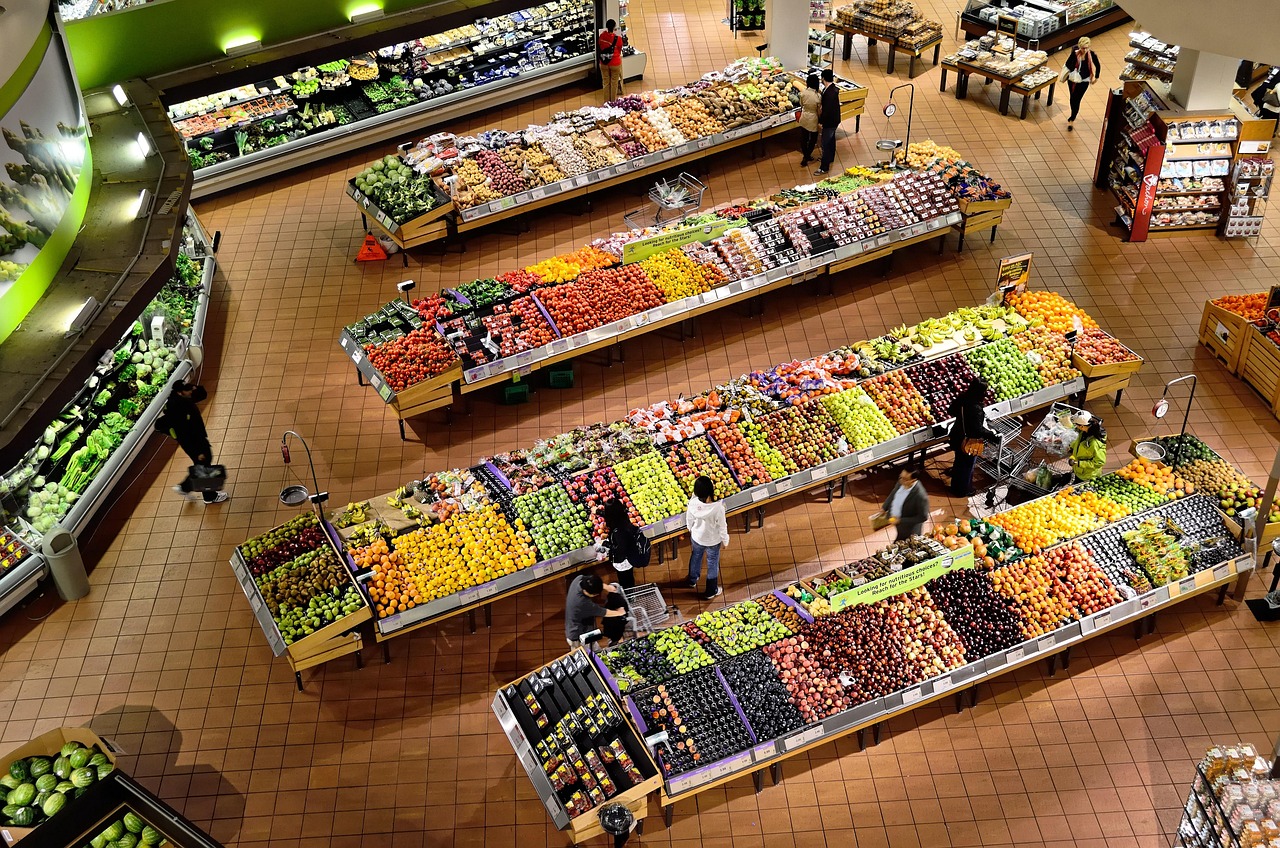
Grocers are catching up too. Dedicated aisles for plant based proteins, dairy free alternatives, and meatless pantry staples are no longer limited to niche organic stores. National chains are leading the charge, reworking layouts and freezer space to make room for the booming category. Placement at eye level, in store signage, and in house sampling programs all point to one thing: this isn’t a phase.
Seasonal offerings are playing a big role in normalizing this evolution. Brands are rotating in limited time plant based LTOs (limited time offers) with diner friendly flavors autumn harvest grain bowls, summer BBQ jackfruit sliders, and dairy free pumpkin lattes. These items used to be novelties. Now, they’re expectations.
The message is clear: the infrastructure for a plant based lifestyle is falling into place. Whether you’re grabbing lunch on the go or restocking your fridge, plant forward is no longer the alternative it’s becoming the default.
The Influence of Media and Culture
Plant based eating isn’t just about kale chips and oat milk anymore it’s a status signal, a lifestyle badge, and increasingly, a cultural shift driven by the people we follow. Celebrities and athletes aren’t just endorsing plant based products; they’re embracing entire lifestyles around them. From tennis champions like Venus Williams to musicians like Billie Eilish, well known names are leaning into the narrative of health, ethics, and sustainability. For fans, that kind of visibility matters. It normalizes the shift and makes it aspirational.
Documentaries and books are tugging at the mindset too. Films like The Game Changers and Seaspiracy aren’t just preaching to the converted they’re nudging mainstream audiences to think about dinner differently. Books like How Not to Die and Fiber Fueled have catalyzed thousands of personal transitions, reinforcing the point that this isn’t just hype it’s evidence based and increasingly hard to ignore.
And then there’s social media, the true engine behind the movement’s momentum. Instagram, TikTok, YouTube they’ve made plant based eating not just accessible, but desirable. Visual storytelling turns tofu into art. Quick vids break down barriers and misinformation. Influencers take what once felt fringe and make it feel mainstream. For a closer look at how platforms are shaping public behavior, see How Social Media Is Shaping the Way We Eat.
Sustainability and the Global Climate Narrative
A Lighter Footprint on the Planet
Plant based eating is proving to be not just a dietary shift, but a crucial environmental strategy. Compared to traditional animal agriculture, plant based food production uses significantly less land, water, and energy.
Resource Use: Plant based agriculture requires fewer natural resources from start to finish often reducing water and land use by more than 70% compared to livestock farming.
Emissions Impact: Rearing animals for food is a leading cause of methane and greenhouse gas emissions. Replacing meat with plant based alternatives can dramatically cut individual and collective carbon footprints.
Policy is Catching Up
Governments around the world are beginning to reshape agricultural priorities in favor of sustainability.
Subsidy Shifts: Traditional subsidies for meat and dairy farming are being re evaluated. Some countries are now offering financial support for farmers transitioning toward plant based agriculture.
Incentivizing Innovation: Funding is increasingly directed toward food technology research and development especially for sustainable protein sources.
Global Goals, Local Change
The urgency of the climate crisis is prompting action not just from policymakers, but from everyday consumers and industry leaders alike.
UN Climate Targets: International organizations, including the United Nations, have formally declared the need to reform global food systems to meet emissions reduction goals. Plant based diets are a cornerstone of many proposed strategies.
Corporate Responsibility: Large food producers and restaurant chains are incorporating sustainability metrics into their operations, often promoting plant based options as part of their climate initiatives.
Public Awareness: Consumers are increasingly motivated by environmental concerns, making food choices that align with a more sustainable future.
Plant based eating isn’t a fringe movement anymore it’s a vital tool in the global climate action toolkit.
Looking Ahead
Is a fully plant forward society possible in the next decade? That depends on how you define it. If we’re talking about a world where the majority of meals are plant based not 100%, but a strong tilt away from animal products then yes, we’re on that trajectory. The cultural winds are shifting, and it’s more than just a Western phenomenon. Countries with deeply meat rooted culinary traditions think Argentina, South Korea, or Germany are seeing noticeable spikes in plant based demand, especially among younger consumers.
What used to be a fringe movement is now embedded in the mainstream. Grocery shelves, restaurant menus, and even government dietary guidelines are starting to reflect that. The global narrative is moving toward protein diversity, not elimination. Think lentils with lab grown sausage, oat milk in a Hong Kong café, or jackfruit tacos sold beside slow cooked beef. It’s a pluralistic shift, not a purist one.
One thing’s certain: plant based eating is no longer a flash in the pan trend. It’s infrastructure now. From food tech innovation to policy reform, the systems are in motion. Whether we cross the finish line to a fully plant forward society is still up for debate but one way or another, we’re on the road.

 Ask Jalric Velmyre how they got into delicious recipe ideas and you'll probably get a longer answer than you expected. The short version: Jalric started doing it, got genuinely hooked, and at some point realized they had accumulated enough hard-won knowledge that it would be a waste not to share it. So they started writing.
What makes Jalric worth reading is that they skips the obvious stuff. Nobody needs another surface-level take on Delicious Recipe Ideas, Meal Prep Ideas, Healthy Eating Tips. What readers actually want is the nuance — the part that only becomes clear after you've made a few mistakes and figured out why. That's the territory Jalric operates in. The writing is direct, occasionally blunt, and always built around what's actually true rather than what sounds good in an article. They has little patience for filler, which means they's pieces tend to be denser with real information than the average post on the same subject.
Jalric doesn't write to impress anyone. They writes because they has things to say that they genuinely thinks people should hear. That motivation — basic as it sounds — produces something noticeably different from content written for clicks or word count. Readers pick up on it. The comments on Jalric's work tend to reflect that.
Ask Jalric Velmyre how they got into delicious recipe ideas and you'll probably get a longer answer than you expected. The short version: Jalric started doing it, got genuinely hooked, and at some point realized they had accumulated enough hard-won knowledge that it would be a waste not to share it. So they started writing.
What makes Jalric worth reading is that they skips the obvious stuff. Nobody needs another surface-level take on Delicious Recipe Ideas, Meal Prep Ideas, Healthy Eating Tips. What readers actually want is the nuance — the part that only becomes clear after you've made a few mistakes and figured out why. That's the territory Jalric operates in. The writing is direct, occasionally blunt, and always built around what's actually true rather than what sounds good in an article. They has little patience for filler, which means they's pieces tend to be denser with real information than the average post on the same subject.
Jalric doesn't write to impress anyone. They writes because they has things to say that they genuinely thinks people should hear. That motivation — basic as it sounds — produces something noticeably different from content written for clicks or word count. Readers pick up on it. The comments on Jalric's work tend to reflect that.