Why Meal Prepping Still Works in 2026
Meal prepping may not be a new trend, but its benefits remain as strong as ever especially in today’s fast paced, health conscious world.
Why It’s Worth Your Time
If you’ve ever hit the takeout app out of convenience (again), meal prepping can be a game changer. Here’s what makes it a go to habit for so many:
Saves time: Cooking in bulk means less time spent in the kitchen during the week.
Cuts stress: No more scrambling to figure out what’s for dinner.
Trims your grocery bill: Shopping with a plan reduces impulse buys and waste.
Take Control of What You Eat
One of the biggest perks of prepping meals at home is total control:
Ingredients: You choose what goes in no mystery oils or hidden sugars.
Portions: Manage your portions consistently without measuring everything on the spot.
Nutrition: Tailor meals to meet your dietary goals or restrictions easily.
Perfect for Busy, Healthy Living
Whether you’re juggling work, school, parenting, or all of the above, prepping a few meals ahead sets you up for:
Faster, healthier choices when things get hectic
Consistent routines that support your wellness goals
More mental space for other priorities not mealtime panic
Meal prepping isn’t just practical it’s empowering. Set aside a little time up front, and you’ll thank yourself every single day of the week.
Simple Prep Planning Tactics
Start with the backbone: pick 2 to 3 core proteins and a couple of veggies you’ll actually want to eat more than once. Think grilled chicken, tofu, ground turkey. Pair that with broccoli, carrots, or bell peppers whatever holds up in the fridge and holds your interest.
Then map out the week. You don’t need a spreadsheet just sketch out a rough draft: breakfasts, lunches, dinners, snacks. Knowing what’s in the pipeline keeps you from grabbing junk or skipping meals entirely.
Batch cook your base layers. Cook up a batch of rice, quinoa, or roasted sweet potatoes. Roast your veggies once, eat them three ways. These staples make your proteins go further and sidestep weekday burnout.
Speaking of burnout taste fatigue is real. Freeze a portion or two early in the week, and don’t be afraid to season creatively. A squeeze of lemon, a splash of hot sauce, or a dash of something unexpected can rescue even the plainest bite. Planning variety takes ten minutes. Regretting bland leftovers takes all week.
Smart Grocery List Tips
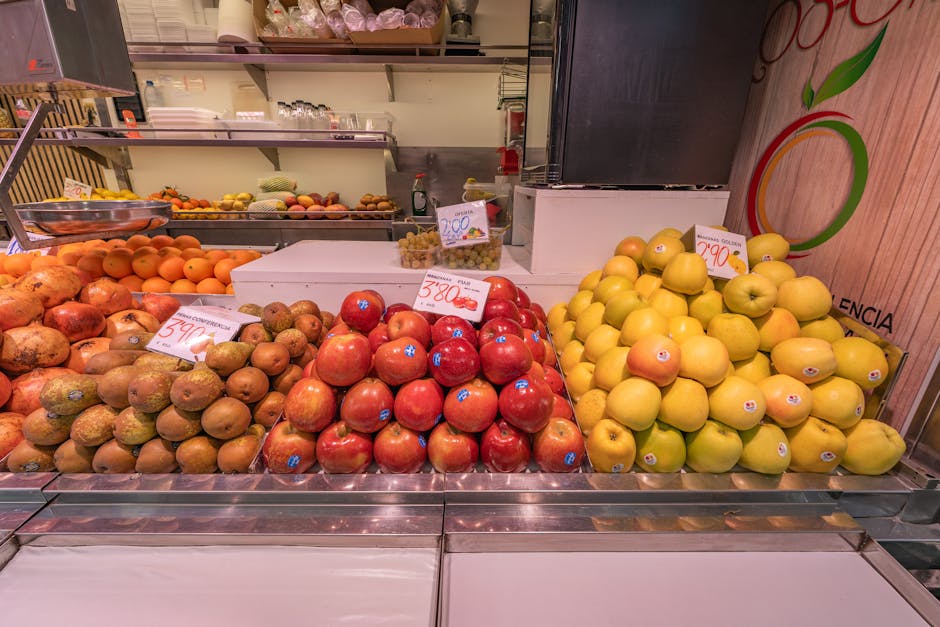
Keep it simple, and your meals stay sharper. First rule: stick to whole foods. That means grains like brown rice, oats, and quinoa; lean proteins like chicken, eggs, tofu; and a strong showing of fresh produce that holds up in batches think spinach, broccoli, sweet potatoes. These are the building blocks, not filler.
Second, buy in bulk selectively. Staples like dry beans, lentils, and grains don’t spoil quickly and save you a ton if you use them regularly. Bulk bins are your quiet ally.
Last, avoid the “extras” aisle. You know the one processed snacks, sugary sauces, novelty drinks. It’s where your budget bloats and your nutritional goals go sideways. Walk past it like it owes you money.
A clean list equals a cleaner prep. Fewer distractions, better nutrients, more control.
Tools That Make Life Easier
Having the right tools on hand can make your meal prep routine smoother, faster, and more enjoyable. You don’t need a fully stocked kitchen just a few essentials that work hard for you every week.
Must Have Basics
Don’t underestimate the power of good prep tools. Start with these kitchen staples:
Knives that stay sharp: Invest in a quality chef’s knife and a paring knife. These two alone can handle most slicing, chopping, and dicing tasks.
Durable cutting boards: Have two or three that are dishwasher safe and color coded if possible use different boards for meats, vegetables, and ready to eat foods to reduce cross contamination.
Choose Your Weapon: Cooking Helpers
Depending on your schedule and cooking style, investing in a time saving appliance can completely change your routine:
Slow cooker: Set it and forget it. Great for soups, stews, and batch meals.
Instant Pot: Cuts cook time dramatically. Ideal for grains, proteins, and even breakfasts like steel cut oats.
Air fryer: Fast, crispy results with less oil. Excellent for reheating leftovers and preparing veggies or proteins with texture and speed.
Pick one that fits your needs you don’t have to own every gadget out there to meal prep efficiently.
Portion Control Tools
Keeping portions in check helps with both meal balance and prep accuracy. These tools make it effortless:
Food scale: Essential for weighing ingredients, especially when dividing bulk meals into precise servings.
Measuring cups and spoons: A simple but powerful tool for consistency, especially with sauces, grains, and oils.
The right tools not only save time, but also help reduce waste and improve the overall outcome of your prep. Think of them as your kitchen support team they keep you efficient and make healthy eating more achievable.
Storage Like a Pro
How you store your prepped meals can make or break your weekly routine. Good storage habits are essential to keep your meals fresh, safe, and ready to enjoy.
Label Everything
Don’t rely on memory label every container with the date it was cooked and what’s inside.
Use masking tape or dissolvable labels for easy removal
Include the prep date and meal (e.g., “4/10 Chicken Stir Fry”)
Color code meals if prepping for multiple people or diets
Rotate for Freshness
Practice “first in, first out” to minimize waste and maintain taste.
Place newer meals at the back and bring older ones forward
Eat meals within 3 to 5 days or freeze them for extended storage
Mix different meals across the week to avoid taste fatigue
Choose the Right Containers
The right containers do more than hold food they preserve quality and save space.
Look for containers that are:
Leak proof: Prevents spills during transport or reheating
Microwave safe: Makes reheating fast and safe
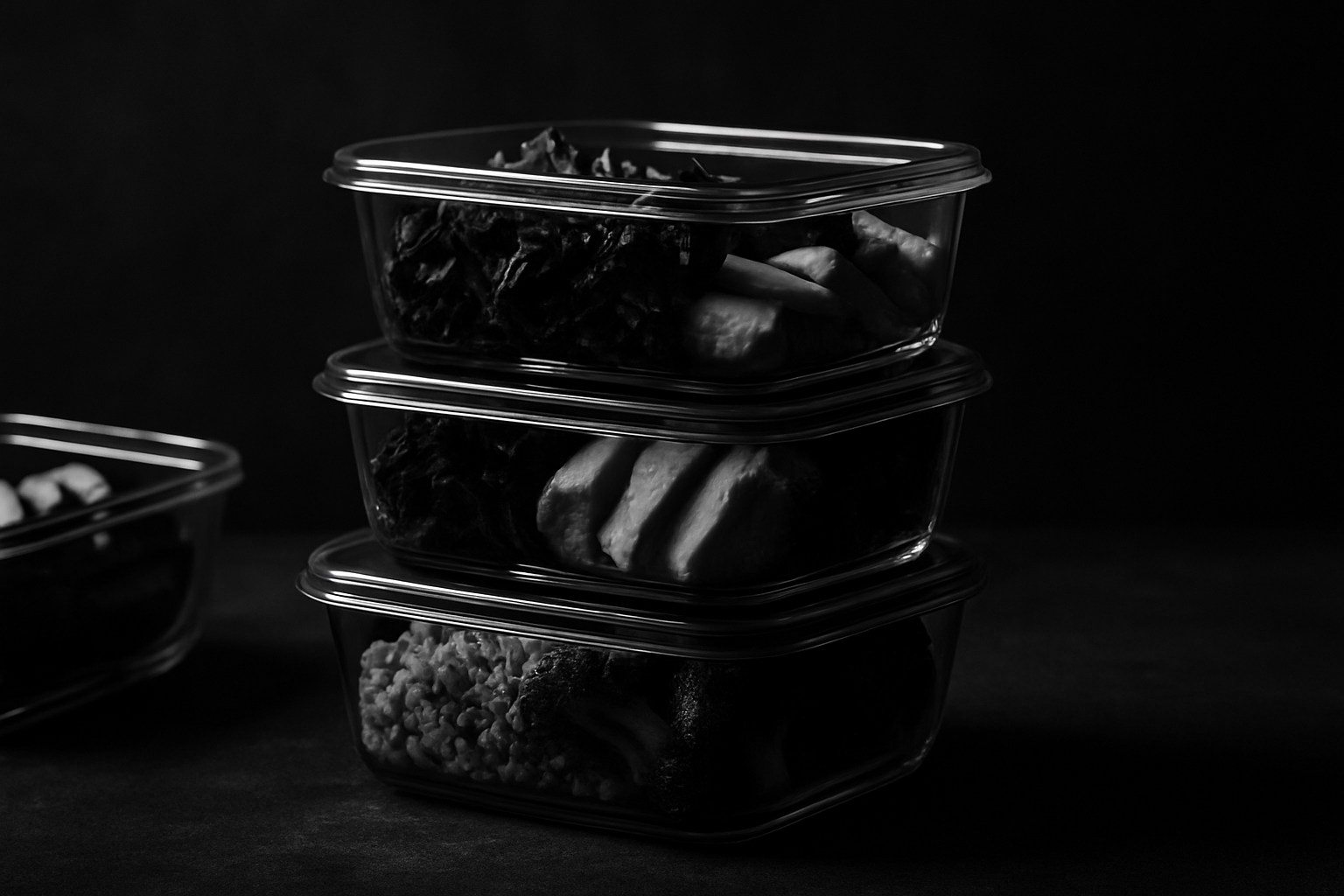
Stackable: Maximizes fridge space and makes organization easier
Still unsure what to use? Check out this guide to the Best Storage Containers for Meal Prep Success to upgrade your kit.
With thoughtful storage, your meal prep stays fresher, longer and so does your motivation.
Quick Safety Reminders
Food safety is non negotiable when it comes to meal prepping. A little attention goes a long way in keeping your meals fresh, safe, and ready to eat.
Temperature Matters
Keeping meals at the right temperature is your first line of defense against foodborne illness:
Keep cold foods cold: Store items like salads, dairy, and cooked meats at or below 40°F (4°C).
Keep hot foods hot: Cooked meals should be kept at or above 140°F (60°C) if you’re serving them soon after prep.
Use an insulated lunchbox or cooler if you’re taking meals to go.
Fridge Life: Know the Limits
Meal prepped food doesn’t last forever, even if it looks or smells fine. Stick to the general rule:
Most cooked meals are good in the fridge for 3 to 5 days.
Store food in airtight, properly labeled containers to extend freshness.
If you’ve made a larger batch or notice you won’t get to everything, freezing is your best option.
Don’t Guess Freeze It
When in doubt, freeze your meals to avoid food waste or spoilage:
Freeze portions you won’t use within three days
Thaw them in the fridge overnight to avoid unsafe rapid temperature shifts
Label all frozen meals with the prep date to keep your rotation simple and safe.
Day 1:
Lunch: Grilled chicken, sweet potato, and broccoli is as balanced as it gets. Cook your chicken in advance grill or bake with salt, pepper, and a splash of olive oil. Roast your sweet potatoes whole or cubed with a dash of paprika. Steam or sauté broccoli until just tender. Done in bulk, this trio gets you through two meals without blinking.
Dinner: Turkey chili is your freezer’s best friend. Lean ground turkey, canned beans, diced tomatoes, onions, and spices simmered into one pot. Make a big batch. Serve with brown rice cook extra so it’s ready for later in the week. This combo is warm, filling, and keeps well.
Day 2:
Lunch: Quinoa salad doesn’t need to be fancy. Use cooked quinoa, chickpeas, diced cucumbers, cherry tomatoes, red onion, and drizzle with olive oil and lemon juice. Add feta or avocado if you want to level it up. Mix, chill, and eat cold.
Dinner: Baked salmon is simple. Just season with salt, pepper, and lemon, then bake at 400°F for 15 18 minutes. Pair it with couscous (quick cooking and forgiving) and quickly steamed green beans tossed with garlic. It’s the kind of meal that feels more complex than it is.
Day 3:
Lunch: Stir fry is a go to when variety starts dipping. Use tofu (pressed and cubed), cook it with sesame oil until crispy, toss in rice noodles and sliced bell peppers. Hit it with soy sauce, garlic, or a quick DIY sauce. Fast, fresh, and flexible.
Dinner: Leftovers matter. Whether it’s turkey chili from Day 1 or a separate stew batch you froze on Sunday, this meal is plug and play. Heat, eat, done.
Meal prepping doesn’t have to be complicated just consistent. Proper planning, efficient storage, and a few go to recipes can save your time (and sanity) every week.

 Ask Jalric Velmyre how they got into delicious recipe ideas and you'll probably get a longer answer than you expected. The short version: Jalric started doing it, got genuinely hooked, and at some point realized they had accumulated enough hard-won knowledge that it would be a waste not to share it. So they started writing.
What makes Jalric worth reading is that they skips the obvious stuff. Nobody needs another surface-level take on Delicious Recipe Ideas, Meal Prep Ideas, Healthy Eating Tips. What readers actually want is the nuance — the part that only becomes clear after you've made a few mistakes and figured out why. That's the territory Jalric operates in. The writing is direct, occasionally blunt, and always built around what's actually true rather than what sounds good in an article. They has little patience for filler, which means they's pieces tend to be denser with real information than the average post on the same subject.
Jalric doesn't write to impress anyone. They writes because they has things to say that they genuinely thinks people should hear. That motivation — basic as it sounds — produces something noticeably different from content written for clicks or word count. Readers pick up on it. The comments on Jalric's work tend to reflect that.
Ask Jalric Velmyre how they got into delicious recipe ideas and you'll probably get a longer answer than you expected. The short version: Jalric started doing it, got genuinely hooked, and at some point realized they had accumulated enough hard-won knowledge that it would be a waste not to share it. So they started writing.
What makes Jalric worth reading is that they skips the obvious stuff. Nobody needs another surface-level take on Delicious Recipe Ideas, Meal Prep Ideas, Healthy Eating Tips. What readers actually want is the nuance — the part that only becomes clear after you've made a few mistakes and figured out why. That's the territory Jalric operates in. The writing is direct, occasionally blunt, and always built around what's actually true rather than what sounds good in an article. They has little patience for filler, which means they's pieces tend to be denser with real information than the average post on the same subject.
Jalric doesn't write to impress anyone. They writes because they has things to say that they genuinely thinks people should hear. That motivation — basic as it sounds — produces something noticeably different from content written for clicks or word count. Readers pick up on it. The comments on Jalric's work tend to reflect that.