
Why the World is in Your Kitchen Now
Walk into most mid sized grocery stores today and you’ll find lemongrass, gochujang, canned jackfruit, and dozens of spices once considered “specialty.” The access gap is closing. What used to require a trip across town or across borders is now available just a few aisles over from milk and bread. That shift alone has changed how we cook.
But availability is only half the story. The rest comes from how global flavors are breaking through online. Food vloggers, cooking channels, and recipe creators on platforms like YouTube and Instagram are turning unfamiliar ingredients into weeknight staples. It’s not about replicating cuisine with technical perfection. It’s about being exposed to new ideas and then making them your own.
At the root of this shift is curiosity. Home cooks are exploring not to flatten cultural lines but to understand, appreciate, and taste something new. The rise in globally inspired home cooking isn’t about chasing trends for clicks. It’s about reaching for something honest, rooted, and imaginative. And for many people, it starts with a peek into someone else’s kitchen halfway around the world.
Flavor Explorations That Stick
Home cooks aren’t chasing trends they’re making global techniques part of their everyday kitchen rhythm. It’s not about mastering a whole cuisine; it’s about weaving small, powerful touches into the meals you already know and love.
Take Japanese umami. A shot of miso or a splash of soy can turn a bland weeknight soup into something you slurp to the last drop. It’s less about following a recipe and more about knowing where to add depth.
Or North African spice blends ras el hanout, harissa, ground cumin. These unlock roasted vegetables in ways salt and pepper never could. A tray of carrots or sweet potatoes, tossed with olive oil and those warm spices? Game changer.
Then there’s fermentation, a cornerstone of Korean cooking. Homemade kimchi or quick pickled radish can sit next to anything grilled meats, rice bowls, eggs. Tangy, punchy, alive. It’s a side, it’s a flavor hit, it’s your new favorite habit.
What ties it all together: adaptation, not imitation. Home cooks are learning how to listen to flavor traditions, then bending them to fit their own plates. It’s the best kind of remix.
Simple, Powerful Ingredients from Around the Globe
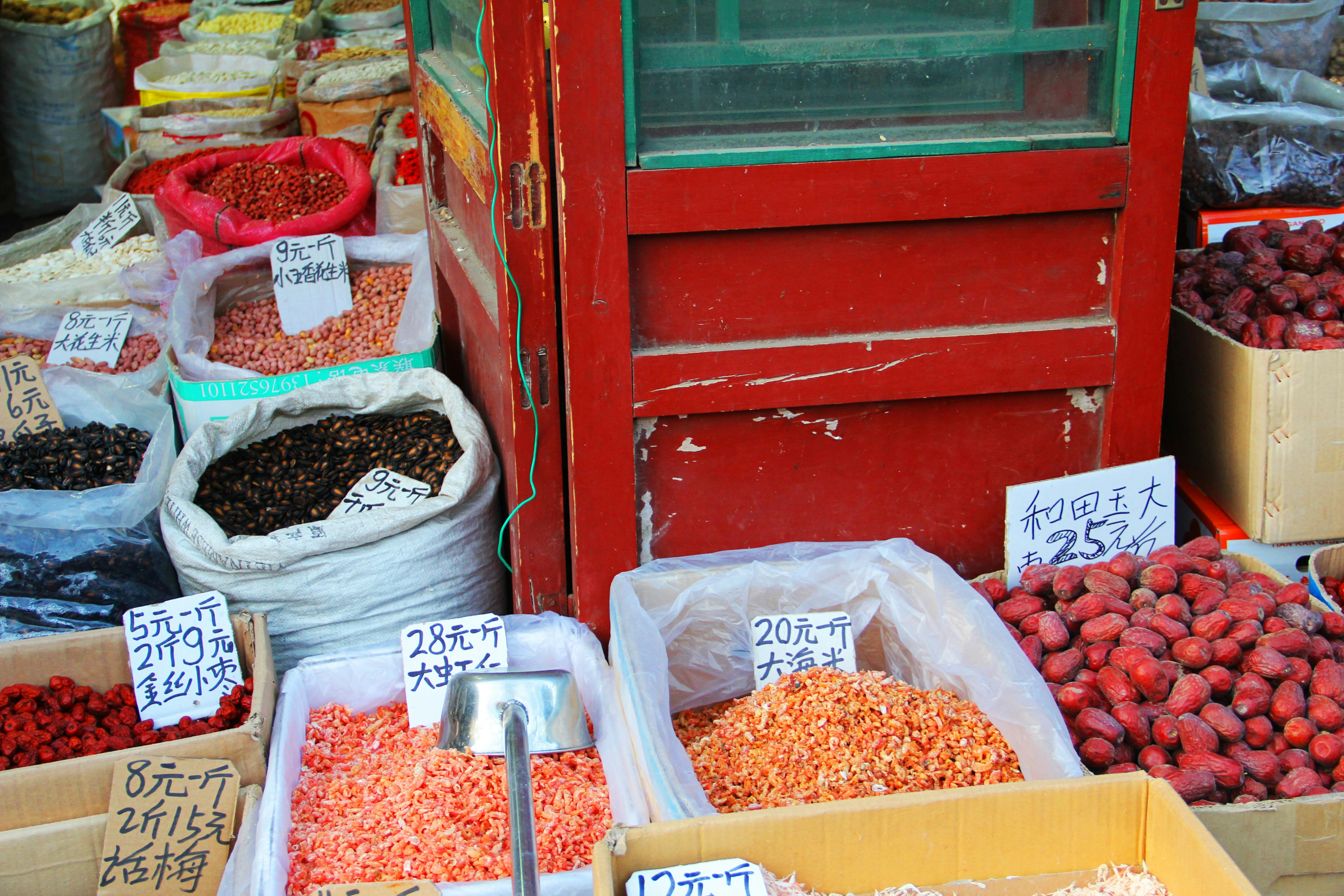
Upgrading your pantry is one of the simplest, most effective ways to incorporate global inspiration into your daily cooking. A few key ingredients can transform basic meals into dynamic, flavor rich experiences all without overcomplicating your process.
Pantry Upgrades That Make a Big Impact
Think beyond salt and pepper. These globally loved condiments and staples can become your new weeknight heroes:
Harissa: A North African chili paste that adds depth and warm heat to soups, grilled meats, or scrambled eggs.
Miso: A fermented soybean paste from Japan, perfect for broths, dressings, and marinades.
Gochujang: Korean fermented chili paste that brings savory spice to everything from noodles to roasted vegetables.
Preserved Lemon: A Moroccan pantry classic that adds citrusy intensity to grains, stews, or simple salads.
Smart Ingredient Swaps
Instead of completely overhauling your cooking habits, consider intelligent substitutions that pack a punch:
Replace mayonnaise with yogurt based tzatziki for a lighter, Mediterranean touch.
Use soy sauce or tamari instead of salt in stir fries or marinades for extra umami depth.
Sub coconut milk for cream in soups and baked dishes to create Southeast Asian richness.
Building a Flexible, Globally Inspired Pantry
Staying stocked with a few international staples ensures you’re ready to improvise with inspiration. A well rounded, cross cultural pantry balances familiarity with adventure.
Mix shelf stable staples with fresh, versatile ingredients like ginger, limes, cilantro, and garlic.
Opt for ingredients that cross culinary borders like chili flakes, which can work in Mexican, Italian, or Indian dishes.
Store spices in small batches, using them often to avoid waste and keep flavors vibrant.
By thoughtfully incorporating these elements, your pantry becomes more than storage it becomes your launchpad for culinary exploration.
Everyday Cooking with a Cross Cultural Twist
Think your go to meals are set in stone? Think again. Global flavors are transforming everyday dishes without making them unrecognizable. It’s about small tweaks, fresh ideas, and big impact all while keeping things familiar and doable on a weeknight.
Reinventing the Usual Suspects
Here are a few simple upgrades to household staples that bring the world to your table:
Pasta with a Thai Basil Twist
Swap out traditional Italian basil for Thai basil, and add a splash of fish sauce or coconut milk to create a fusion dish that balances richness with herbal brightness.
Tacos Filled with Indian Style Paneer
Instead of the usual meat or beans, try sautéed paneer cubes seasoned with garam masala, cumin, and turmeric. Topped with cooling yogurt or a cilantro chutney, it’s a quick cross cultural hit.
Mediterranean Grains in Breakfast Bowls
Replace typical oats with farro, bulgur, or freekeh. Top with yogurt, figs, nuts, and a drizzle of honey for a nourishing breakfast layered with texture and history.
Why It Works
You don’t have to master a full cuisine to borrow a flavor note or technique.
Using one or two global ingredients can upgrade a familiar recipe without overcomplicating it.
These twists encourage creativity while honoring the roots of the ingredients.
With a little curiosity and a flexible pantry, your everyday meals can invite new stories to the table no passport required.
Where to Learn, What to Try
Becoming a confident global cook doesn’t mean mastering every cuisine. It’s less about perfection, more about presence being open, curious, and willing to keep learning. Respect comes from doing your homework: know where a dish comes from, get the technique right when you can, and give credit where it’s due. Global cooking isn’t a shortcut to showing off it’s a bridge to deeper understanding.
What helps most is having reliable places to learn. A trusted cooking platform saves time and steers you right. Look for those that highlight both flavor and context, not just flash. One smart starting point: fhthgoodfood. It’s focused, honest, and curated offering recipes and tutorials rooted in real culinary traditions. You get global flavors without guesswork.
Bottom line: don’t just collect recipes. Learn stories, build taste instincts, and put in the time. You don’t need to be an expert to cook with care you just need to be thoughtful.
What It’s Really About
At its core, cooking isn’t just about feeding yourself. It’s about connection. Every recipe carries a story of where it came from, who taught it, when it’s made, and why. Bringing global flavors into your kitchen isn’t trend following; it’s a way of showing respect, learning bit by bit, and keeping food deeply human.
There’s room to experiment but not at the cost of care. Using fermented black beans or sumac isn’t about copying someone else’s dish. It’s about appreciating the roots of those ingredients, understanding context, and letting that knowledge shape your choices. Flavor doesn’t exist in a vacuum. Neither should your cooking.
Staying curious means cooking boldly. Using preserved lemon with your baked chicken. Swapping marinara for berbere spiced tomato sauce. But the magic isn’t in the novelty it’s in your intent. Combine flavors in a way that adds depth, not noise. Redefine what “everyday” means at your table, one honest meal at a time.
Start exploring from your own kitchen: fhthgoodfood homepage