
Start With Realistic Shifts
Most people approach healthy eating like it’s a switch: all on, or all off. They purge their pantry, follow a rigid plan, and swear off anything that looks remotely like a cookie. It works for about a week. Then life happens. You break the plan once, feel like a failure, and end up back where you started. That’s the trap of all or nothing diets: they’re built on perfection, not reality.
The truth is, small changes win. Swapping soda for water. Cooking at home one more night a week. Adding a vegetable to lunch. These micro adjustments feel easy, but they stack up. They become habits. And habits stick better than sprints.
Consistency beats intensity. If you aim for perfect, you’ll burn out. Aim for better, and you’ll grow stronger over time. The goal isn’t to eat clean every single meal it’s to make healthy eating feel normal, not forced. Dial it in slowly, and let your momentum do the rest.
Plan Like It Matters
Let’s be honest winging your meals day by day doesn’t work for long. Enter: simple meal planning. No need for fancy spreadsheets or rigid calendars. The trick is to plan just enough to eliminate decision fatigue without boxing yourself in. Start with 2 3 core meals you actually enjoy and can rotate through the week. Think of them as your go tos, not your only options.
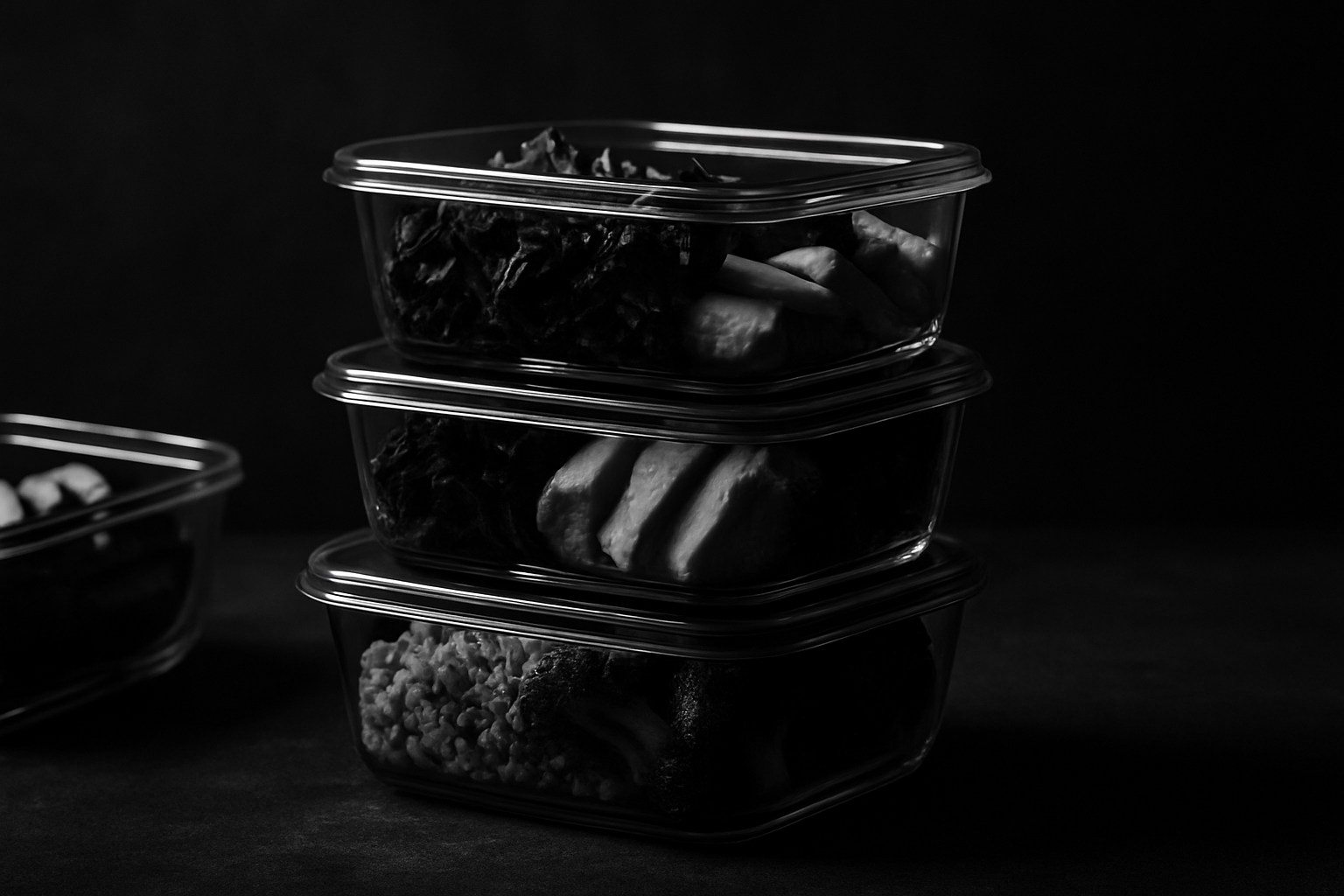
Prepping staples is how you save time and sanity. Cook up a batch of grains, roast a sheet pan of veggies, boil a dozen eggs, or cook a protein or two. These basics become modular building blocks mix and match depending on what you’re in the mood for. You don’t need to prep full meals if that overwhelms you. Think ingredients first.
And when it comes to grocery shopping, go in with a game plan and never on an empty stomach. Seriously. Hunger leads to impulse buys and forgotten essentials. Stick to a loose list built around your staple items and weekly meal ideas. Keep the goal simple: buy with purpose, not panic. Meal planning isn’t about control. It’s about giving your future self fewer things to stress about.
Simplify Meal Decisions
Repeat meals aren’t lazy they’re efficient. Decision fatigue is real, and trying to reinvent every plate is a fast route to burnout. When you find a combo that hits the right balance of taste, nutrition, and ease, why not run it back? Top performers across all fields wear uniforms, follow routines, and eliminate friction. Eating well consistently works the same way.
The key is building a meal formula that’s flexible and works for your schedule. Think in building blocks: a protein, a veggie, a carb, and a sauce or spice that makes it feel like you’re not stuck on a loop. Maybe that’s grilled chicken + roasted broccoli + farro + chimichurri. Swap out any element as needed, but stick to the scaffold.
Now, how you prep comes down to your lifestyle. Batch cooking is great if you like having food ready for the next few days. Make a big pot of soup or prep a sheet tray of proteins and veggies to rotate through the week. On the other hand, if you value freshness or get bored easily, go for fresh assembly. Just keep the ingredients prepped and ready to throw together fast. The point is to remove the daily guesswork without sacrificing variety or nutrition.
Master your meals, don’t overthink them.
Make Smart Nutrition Automatic
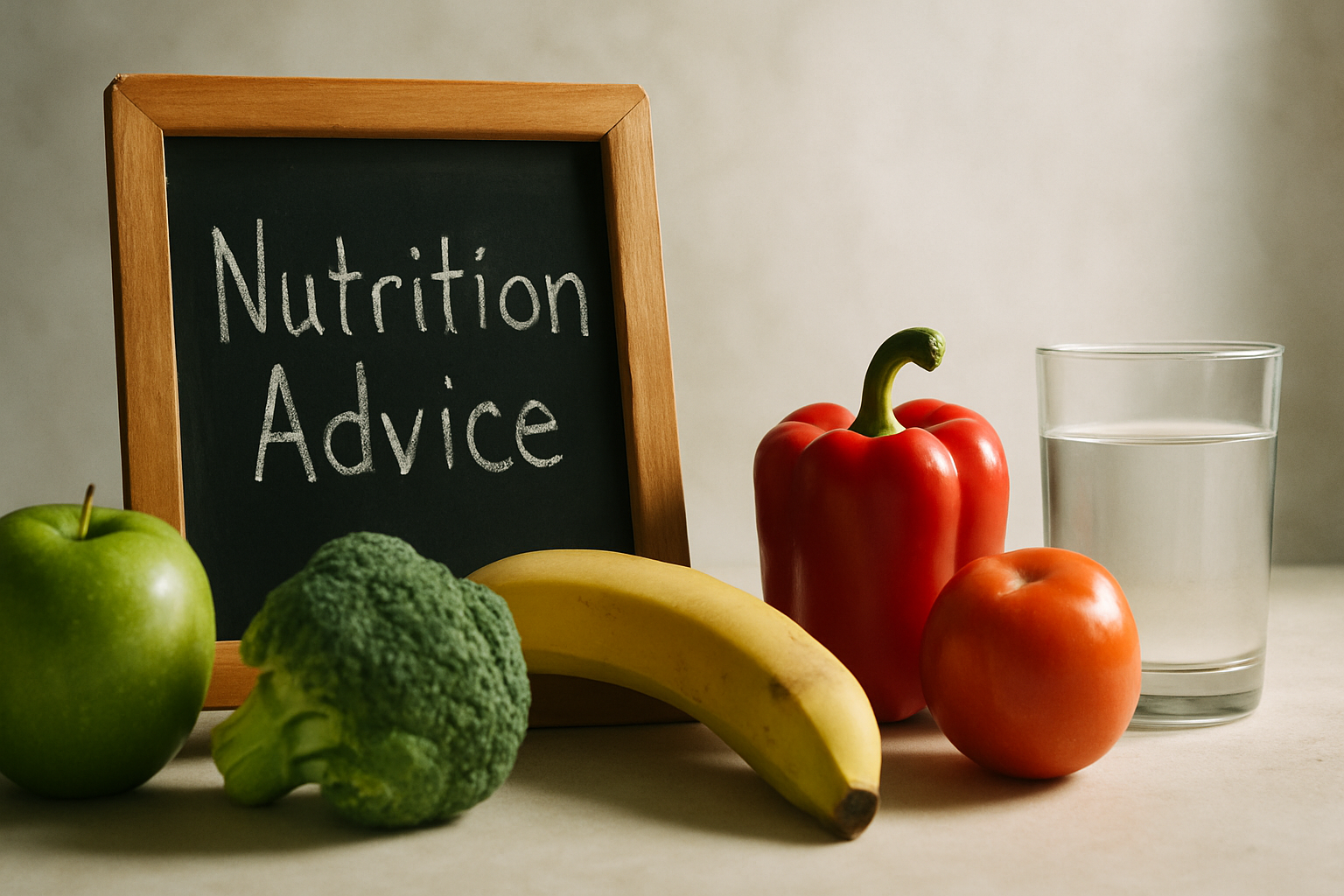
Healthy eating doesn’t need to be a constant decision it can become a natural part of your routine. The more friction you remove from making smart choices, the easier it is to sustain them, even on busy days.
Design Your Environment for Ease and Success
Your surroundings silently shape your habits. You can set yourself up for better choices with a few simple adjustments:
Keep nutritious foods visible and within reach fruit bowls, pre chopped veggies, or healthy snacks by your workstation
Store processed or less nutritious foods out of sight or in harder to access places
Arrange your fridge so that healthy options are the first things you see
Use Reminders and Small Goals to Stay on Track
Motivation fades, but systems support consistency. Strategic nudges throughout your day can help translate good intentions into actions:
Set calendar alerts to prep lunch or drink water
Use sticky notes on the fridge or pantry as visual cues
Create small daily targets like 2 servings of vegetables by lunch or no added sugar after 2 p.m.
These micro goals promote long term progress without relying on willpower.
Smart Grab and Go Choices for Busy Days
When your schedule heats up, convenience often trumps quality unless you plan ahead. Stock your kitchen, desk, or bag with quick, nourishing options:
Great lunch ideas:
Grain bowls with pre cooked rice or quinoa, greens, and mixed proteins
Wraps or sandwiches loaded with fiber and lean protein
Leftover dinner turned into a fresh salad or bowl
Go to snacks:
Roasted chickpeas, mixed nuts, or yogurt cups
Cut fruit with hardboiled eggs or string cheese
Whole grain crackers with hummus or nut butter
Making smart choices easy in the moment builds a foundation of trust in yourself which is key to lasting healthy habits.
Learn more strategies in our guide on smart nutrition strategies
Build Awareness Without Obsessing
You don’t need to log every carrot stick or almond, but tracking your intake once in a while can be surprisingly eye opening. The point isn’t punishment it’s pattern recognition. A few days of noting what, when, and why you eat (yes, the ‘why’ matters) can show you if you’re feeding hunger, boredom, or just muscle memory. That awareness is fuel for smart decisions, not self judgment.
Instead of diving into calorie counting apps full time, try journaling meals briefly or snapping a photo before eating for a few days. Focus on habits, not numbers. Ask: Was I actually hungry? Was I rushing? Did that meal satisfy me, or just keep me moving?
Mindful eating is the slow burn that reshapes your defaults. By literally paying attention chewing slower, sitting down, turning off your screen you let your brain register meals and satisfaction more clearly. Over time, this rewires your food choices from the ground up. No diet plan can beat that.
Call it minimal input for maximum return. A little awareness goes a long way toward making healthy eating second nature without spiraling into obsession.
When Life Throws Curveballs
Even the best routines get tested flights, deadlines, family chaos. Life’s messy. But healthy eating isn’t all or nothing. When things get hectic, the key is pivoting fast, not panicking. Maybe you swap home cooked for grocery store rotisserie and bagged salad. Maybe breakfast is a protein bar and a banana. Good enough beats perfect every time.
Big travel week? Map out just one healthy meal per day. Stressful season? Stock easy wins: frozen veggies, canned tuna, hard boiled eggs. The goal is to reduce friction. Not reinvent the wheel.
But here’s the real piece people forget: give yourself grace. One off week doesn’t wreck your progress. What matters is the bounce back. Don’t dwell. Don’t spiral. Just reset. Refill the fridge, plan a few meals, and take the next step forward. Get back in the game without drama.
Bottom Line Habits That Stick
Healthy eaters aren’t magical creatures with iron discipline. They just follow simple, repeatable rules. First: don’t skip meals. Waiting too long to eat leads to chaotic choices. Second: build your plate around whole foods protein, fiber, healthy fats. Third: don’t keep trigger foods in the house. If it’s not there, you won’t reach for it on impulse.
But beyond rules, here’s the real shift: identity over willpower. People stick with habits when they start seeing themselves differently. If you view yourself as someone who takes care of their body, you’ll act accordingly. It’s not about forcing discipline it’s about becoming the kind of person who no longer needs to rely on it.
So where do you start? Not tomorrow. Not next week. Start with one action today. Cook a real dinner. Pack tomorrow’s lunch. Toss out the expired junk from your pantry. Momentum begins with motion, and one small move is enough to tip the scale.
For even more proven tips, see our full post on smart nutrition strategies.

 Ask Joshua Poulsenation how they got into cooking techniques and tips and you'll probably get a longer answer than you expected. The short version: Joshua started doing it, got genuinely hooked, and at some point realized they had accumulated enough hard-won knowledge that it would be a waste not to share it. So they started writing.
What makes Joshua worth reading is that they skips the obvious stuff. Nobody needs another surface-level take on Cooking Techniques and Tips, Delicious Recipe Ideas, Healthy Eating Tips. What readers actually want is the nuance — the part that only becomes clear after you've made a few mistakes and figured out why. That's the territory Joshua operates in. The writing is direct, occasionally blunt, and always built around what's actually true rather than what sounds good in an article. They has little patience for filler, which means they's pieces tend to be denser with real information than the average post on the same subject.
Joshua doesn't write to impress anyone. They writes because they has things to say that they genuinely thinks people should hear. That motivation — basic as it sounds — produces something noticeably different from content written for clicks or word count. Readers pick up on it. The comments on Joshua's work tend to reflect that.
Ask Joshua Poulsenation how they got into cooking techniques and tips and you'll probably get a longer answer than you expected. The short version: Joshua started doing it, got genuinely hooked, and at some point realized they had accumulated enough hard-won knowledge that it would be a waste not to share it. So they started writing.
What makes Joshua worth reading is that they skips the obvious stuff. Nobody needs another surface-level take on Cooking Techniques and Tips, Delicious Recipe Ideas, Healthy Eating Tips. What readers actually want is the nuance — the part that only becomes clear after you've made a few mistakes and figured out why. That's the territory Joshua operates in. The writing is direct, occasionally blunt, and always built around what's actually true rather than what sounds good in an article. They has little patience for filler, which means they's pieces tend to be denser with real information than the average post on the same subject.
Joshua doesn't write to impress anyone. They writes because they has things to say that they genuinely thinks people should hear. That motivation — basic as it sounds — produces something noticeably different from content written for clicks or word count. Readers pick up on it. The comments on Joshua's work tend to reflect that.