
How Global Diets Are Shifting
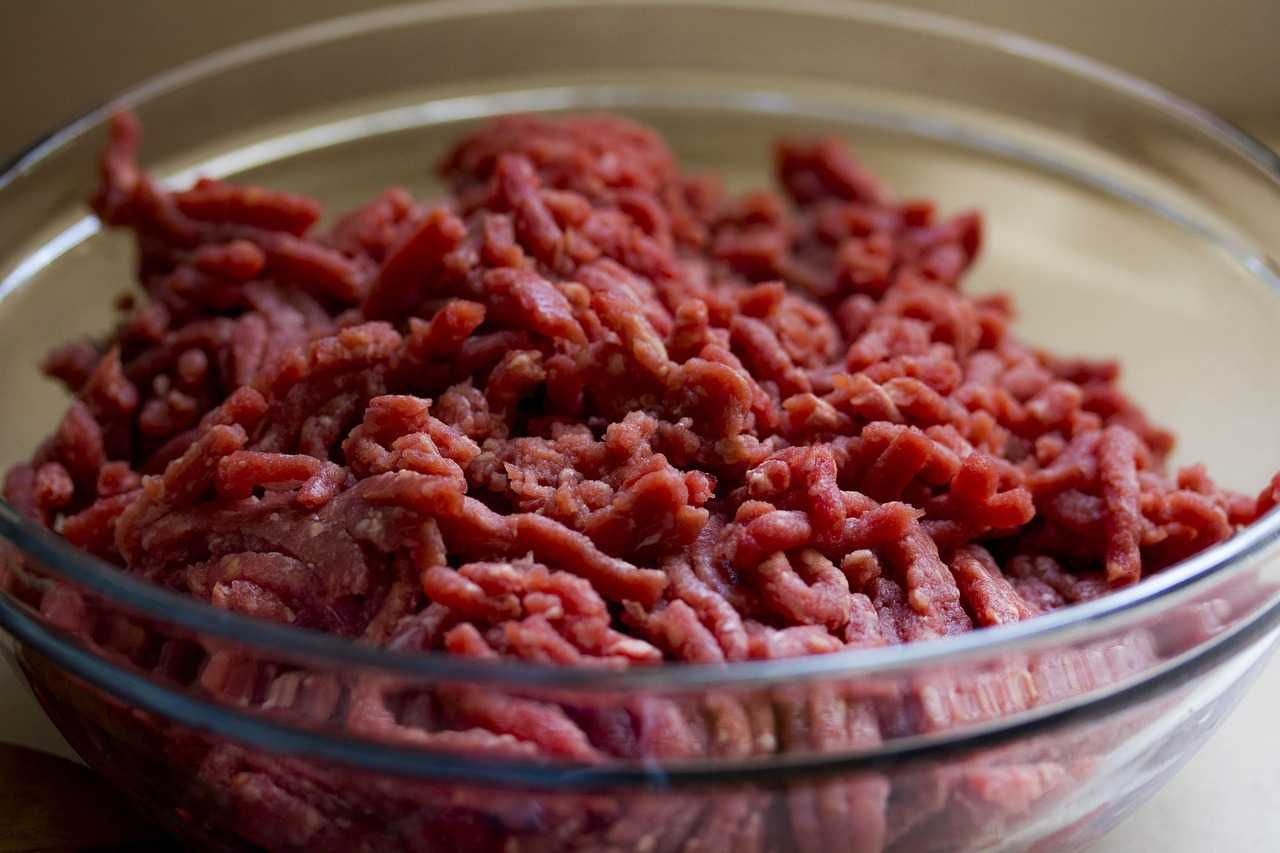
The days of meat at every meal are fading. In kitchens across the world, traditional meat heavy diets are evolving not because of trends, but out of necessity, awareness, and choice. Health concerns are front and center. More people are connecting the dots between what they eat and how they feel from cholesterol to gut health to energy levels.
Add climate change to the mix, and the conversation deepens. Producing meat at scale takes a massive toll on land, water, and air. It’s not just about the cows anymore it’s about the cost of feeding them, housing them, and dealing with emissions. That pressure is forcing a rethink, especially in countries with fast growing populations and shifting climates.
Then there’s the ethics: the factory conditions, the waste, the disconnection between food and culture. Younger generations are asking harder questions and voting with their forks.
The result? From stir fried tofu in Bangkok to black bean stews in São Paulo to jollof rice in Lagos tweaked with mushrooms and legumes plant forward isn’t a trend. It’s the baseline. People aren’t ditching meat entirely, but they’re rebalancing the plate. Veggies, grains, and legumes are no longer side characters. They’re carrying the show.
Cultural Roots of Plant Based Eating
Plant based eating may seem like a modern trend, but in many cultures around the world, it’s a longstanding tradition. Today’s movement often reframes or renames what generations have practiced for centuries.
It’s Not New Just Redefined
Plant based meals have deep cultural and historical roots. What’s now labeled as a “plant forward diet” is often a rebranding of nutrient dense staples from global food traditions.
Many traditional diets have long emphasized whole grains, legumes, and vegetables
Plant based eating is often about preservation, spiritual practice, and resourcefulness not just health trends
Examples from Around the World
India:
Vegetarianism is deeply interwoven with religious and philosophical beliefs, especially within Hinduism, Jainism, and Buddhism
Plant forward meals have long been the norm, with dals, curries, and flatbreads providing daily nourishment
Ethiopia:
Traditional fasting days in Orthodox Christian practice eliminate all animal products
Dishes like lentil stews, sautéed greens, and injera represent centuries old modes of meatless eating
Mediterranean Region:
Diets centered on legumes, whole grains, seeds, herbs, and olive oil form part of a healthful cultural foundation
Meats were often used sparingly, with vegetables and pulses forming the culinary base
Indigenous Food Systems:
Across the Americas, Africa, and parts of Asia, pre industrial food cultures relied heavily on what was grown or foraged
Corn, beans, squash, nuts, and tubers were staples long before animal agriculture expanded
Tradition, Not Trend
Rather than seeing plant based diets as a new invention, it’s more accurate to understand them as a revival. Cultural plant based traditions are being rediscovered and amplified bridging the wisdom of the past with the possibilities of the future.
Driving Forces Behind the Trend

There’s no shortage of data behind the shift. Study after study connects plant based eating with better heart health, longer lifespan, and more stable energy levels. What used to be seen as fringe now has the backing of cardiologists, sports physicians, and public health experts.
But science isn’t the only driver. People are curious, and media plays a big role in that. Cooking shows, documentaries, and recipe content from around the world have opened up what’s possible in the kitchen from West African okra stews to Thai jackfruit curries. The more people see, the more they’re willing to try.
The social definition of “normal” has drifted too. Athletes like Lewis Hamilton and Venus Williams swear by plant heavy diets. Influencers in fashion, gaming, and wellness are doing vegan challenges or sharing tofu hacks that rack up millions of views. Eating more plants isn’t about perfection it’s about what feels doable, and maybe even cool.
This means plant based food has crossed over. It’s not just in co ops and specialty shops anymore. Burger chains, gas stations, and big box grocers now carry legit options. What used to be niche is now just… lunch.
For deeper nutrition insights: plant based nutrition
Innovation on the Plate
Plant based eating is no longer just about skipping meat it’s about reimagining the plate entirely. Jackfruit birria tacos, vegan sushi rolls packed with tempura fried tofu and miso glazed eggplant, and lentil based meatballs swimming in arrabbiata sauce this is where global fusion meets creativity. Cooks and creators are pulling techniques from every continent, proving that flavor doesn’t need to come from animal products.
Meanwhile, the tech side of things is catching up fast. Lab optimized dairy free cheeses melt better, plant based meats have more realistic textures, and fermentation is unlocking deeper umami. These aren’t just substitutions they’re innovations standing on their own.
Even culinary schools are getting the memo. Institutions once built around classical French kitchens are revamping curriculums to teach plant based fundamentals. From jackfruit butchery to millet risottos, plant first cooking is no longer fringe. It’s skillful, expressive, and quickly becoming essential.
Barriers and Misconceptions
The idea that plant based eating is either too expensive or lacking in protein still hangs around like bad leftovers. But look past the marketing and you’ll see basics like lentils, beans, oats, and rice deliver solid nutrition at a fraction of the cost of meat. The truth is, bones and budgets can stay strong on plants if the meals are built smart.
The real roadblock? Access. In food deserts and low income regions, plant based options are often outnumbered by over processed, calorie dense “cheap” foods. Add in global supply chain issues and pricing disparities, and nutritious choices become harder to reach. It’s a systemic issue, not a matter of personal willpower.
There’s also the cultural fit. Telling someone to eat tofu doesn’t work if tofu’s not part of their food history or available in the local market. That’s why culturally relevant, budget conscious plant based meals matter. Think stews built around local legumes, or street food classics reimagined without animal products. Solutions aren’t one size fits all and they don’t have to be.
Explore practical tips here: plant based nutrition
What This Means Moving Forward
Plant based eating isn’t just for restaurants and influencers anymore. Institutions hospitals, schools, even prisons are changing what ends up on the plate. Not out of trend chasing, but because it makes sense. Improving public health, lowering food costs, and reducing environmental impact? Hard to argue with.
For food entrepreneurs, this creates a serious lane. There’s growing demand for culturally rooted plant based meals that aren’t just a salad with a fancy name. Think smoked tempeh jollof rice, cassava tacos, or mung bean stew with modern plating. The next wave of innovation won’t come from the lab but from the cookbook your grandmother kept pressed between tin foil.
Strip away the marketing and the buzzwords, and plant based eating is nothing new. It’s a return. A recall of food traditions built on greens, grains, legumes, and regional ingenuity long before processed meat substitutes took shelf space. The future isn’t ultra modern. It’s a sharper version of the past, made accessible again.

 Ask Joshua Poulsenation how they got into cooking techniques and tips and you'll probably get a longer answer than you expected. The short version: Joshua started doing it, got genuinely hooked, and at some point realized they had accumulated enough hard-won knowledge that it would be a waste not to share it. So they started writing.
What makes Joshua worth reading is that they skips the obvious stuff. Nobody needs another surface-level take on Cooking Techniques and Tips, Delicious Recipe Ideas, Healthy Eating Tips. What readers actually want is the nuance — the part that only becomes clear after you've made a few mistakes and figured out why. That's the territory Joshua operates in. The writing is direct, occasionally blunt, and always built around what's actually true rather than what sounds good in an article. They has little patience for filler, which means they's pieces tend to be denser with real information than the average post on the same subject.
Joshua doesn't write to impress anyone. They writes because they has things to say that they genuinely thinks people should hear. That motivation — basic as it sounds — produces something noticeably different from content written for clicks or word count. Readers pick up on it. The comments on Joshua's work tend to reflect that.
Ask Joshua Poulsenation how they got into cooking techniques and tips and you'll probably get a longer answer than you expected. The short version: Joshua started doing it, got genuinely hooked, and at some point realized they had accumulated enough hard-won knowledge that it would be a waste not to share it. So they started writing.
What makes Joshua worth reading is that they skips the obvious stuff. Nobody needs another surface-level take on Cooking Techniques and Tips, Delicious Recipe Ideas, Healthy Eating Tips. What readers actually want is the nuance — the part that only becomes clear after you've made a few mistakes and figured out why. That's the territory Joshua operates in. The writing is direct, occasionally blunt, and always built around what's actually true rather than what sounds good in an article. They has little patience for filler, which means they's pieces tend to be denser with real information than the average post on the same subject.
Joshua doesn't write to impress anyone. They writes because they has things to say that they genuinely thinks people should hear. That motivation — basic as it sounds — produces something noticeably different from content written for clicks or word count. Readers pick up on it. The comments on Joshua's work tend to reflect that.