Skipping the Prep Work
Sautéing vegetables isn’t complicated, but it does demand some upfront discipline. First off: size matters. If your vegetables are all different shapes and thicknesses, you’ll end up with a pan of half raw and half mushy regrets. Take the time to chop them uniformly your future self will thank you.
Then, there’s the moisture. Wet vegetables hit a hot pan and instantly start steaming, not sautéing. That means limp textures and a sad lack of browning. The fix is simple: dry them. You don’t need a special trick just a clean towel or some paper towels. Pat them gently but thoroughly before they go in the pan.
Good vegetables deserve better than being steamed into oblivion. Nail the prep, and everything else gets easier.
New to cooking? Check out our cooking basics guide
Using the Wrong Pan
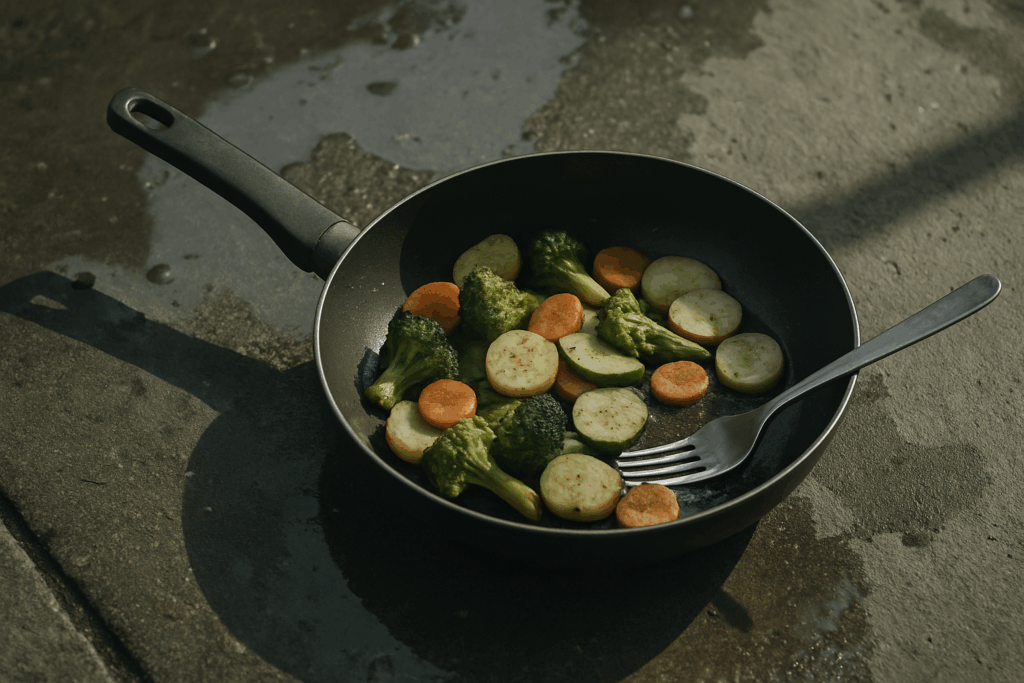
The pan you grab can make or break your sauté. Sure, nonstick is easy and it’ll do in a pinch. But if you’re chasing that golden sear and proper browning, you’re better off with stainless steel or cast iron. These pans hold and distribute heat more evenly, which means your vegetables actually cook instead of steam.
Speaking of steam: don’t overcrowd the pan. Dump too many veggies in at once, and you’re not sautéing you’re making a soggy pile of disappointment. When vegetables are packed too tightly, moisture gets trapped. That’s the fast track to limp, flavorless bites.
Use a wide skillet that gives your ingredients room to spread out. They need space to breathe, to brown, to develop those crispy edges that make sautéing worth the effort. If your pan’s looking too full, cook in batches. Seriously, your taste buds will thank you.
Starting With Cold Oil (Or Cold Pan)

If you’re tossing vegetables into a cold pan with cold oil, don’t expect anything but a soggy disappointment. The oil soaks in instead of searing, and you end up with greasy, limp results that lack any real flavor or texture.
Start with heat. Get your pan hot before anything hits it. Then add your oil, let it shimmer don’t walk away and do a quick test: drop in one piece of vegetable. If it doesn’t sizzle immediately, it’s not ready. A proper sizzle means your veggies will sear on contact, locking in their moisture and developing that crisp, golden edge that makes sautéed vegetables worth the effort.
Treat heat like a tool, not an afterthought. Preheating is how you build flavor from the start.
Skipping the Seasoning (Or Doing It at the Wrong Time)
Seasoning is more than just a finishing touch it’s a key part of the cooking process that can make or break your sautéed vegetables. Timing is everything when it comes to flavor and texture.
Don’t Salt Too Early
Adding salt too soon can pull out moisture too quickly.
Early salting may leave your veggies soggy instead of crisp.
Pro tip: Add salt about halfway through cooking to enhance flavor while preserving texture.
Brown First, Then Spice
Wait until your vegetables are nicely browned before adding dry herbs and spices.
Spices bloom in heat adding them too early can lead to burning or bitterness.
Layering your seasonings gives you depth and complexity.
Finish with Aromatics
Garlic, ginger, and other aromatic ingredients should go in near the end.
These ingredients burn fast 30 seconds to 1 minute is usually enough.
Stir constantly during this final step to prevent scorching and unlock vivid flavors.
Correct seasoning timing transforms bland vegetables into something crave worthy. Think balance, not shortcuts.
Ignoring the Finish Line
Here’s where most people slip. You nail the prep, get the pan hot, season just right and then leave your vegetables in the pan two minutes too long. That’s all it takes to turn vibrant snap into dull mush.
Pay attention to the clues: the surface should shimmer, the edges should have a light sear, and the texture should be just past crisp not limp. If anything starts browning unevenly or gets too soft, you’re over. Remove the pan from heat before it seems ‘done.’ Carryover cooking will take it the rest of the way.
Bottom line: sautéing is fast. Cook with your eyes and tongs, not your timer.
Want to Level Up?
Before you get fancy with fusion spices or deglazing tricks, lock down the basics. Every great sauté starts with the same fundamentals: heat, timing, and attention. If you’re winging it without those, even the best ingredients won’t save you.
Want to cook like you mean it? Revisit your foundation. That means knowing when your pan’s hot enough, how long each veggie takes to soften, and why giving broccoli room to breathe changes everything. It’s not glamorous. But it works.
For more no fluff techniques, cut through the noise with our cooking basics guide. Especially focus on the chapters about heat and timing they’ll tighten up your technique fast.
Miss the fluff. Nail the form. Then freestyle all you want.

 Ask Jalric Velmyre how they got into delicious recipe ideas and you'll probably get a longer answer than you expected. The short version: Jalric started doing it, got genuinely hooked, and at some point realized they had accumulated enough hard-won knowledge that it would be a waste not to share it. So they started writing.
What makes Jalric worth reading is that they skips the obvious stuff. Nobody needs another surface-level take on Delicious Recipe Ideas, Meal Prep Ideas, Healthy Eating Tips. What readers actually want is the nuance — the part that only becomes clear after you've made a few mistakes and figured out why. That's the territory Jalric operates in. The writing is direct, occasionally blunt, and always built around what's actually true rather than what sounds good in an article. They has little patience for filler, which means they's pieces tend to be denser with real information than the average post on the same subject.
Jalric doesn't write to impress anyone. They writes because they has things to say that they genuinely thinks people should hear. That motivation — basic as it sounds — produces something noticeably different from content written for clicks or word count. Readers pick up on it. The comments on Jalric's work tend to reflect that.
Ask Jalric Velmyre how they got into delicious recipe ideas and you'll probably get a longer answer than you expected. The short version: Jalric started doing it, got genuinely hooked, and at some point realized they had accumulated enough hard-won knowledge that it would be a waste not to share it. So they started writing.
What makes Jalric worth reading is that they skips the obvious stuff. Nobody needs another surface-level take on Delicious Recipe Ideas, Meal Prep Ideas, Healthy Eating Tips. What readers actually want is the nuance — the part that only becomes clear after you've made a few mistakes and figured out why. That's the territory Jalric operates in. The writing is direct, occasionally blunt, and always built around what's actually true rather than what sounds good in an article. They has little patience for filler, which means they's pieces tend to be denser with real information than the average post on the same subject.
Jalric doesn't write to impress anyone. They writes because they has things to say that they genuinely thinks people should hear. That motivation — basic as it sounds — produces something noticeably different from content written for clicks or word count. Readers pick up on it. The comments on Jalric's work tend to reflect that.