Plant Based Goes Mainstream (Again)
Plant based eating is no longer a niche it’s becoming a default option for many. While vegetarians and vegans still lead the way, a growing number of flexitarians (people who actively reduce their meat consumption without fully eliminating it) are changing the food landscape.
Flexitarians Drive the Movement
More consumers are choosing plant based meals for reasons beyond ethics, including:
Personal health and wellness
Environmental concerns
Expanding access to high quality meat alternatives
This shift in consumer behavior is encouraging brands and restaurants to cater to a broader, more flexible audience.
Innovation in Alternative Proteins
The alt protein scene continues to evolve, becoming more sophisticated and closer to real meat in both taste and texture. Expect to see:
Lab grown meat moving closer to mainstream availability
Mushroom based “meats” offering a savory, umami packed option
Fermented proteins becoming key players in dairy and meat alternatives
As technology improves production methods, expect better affordability and fewer ingredient labels you can’t pronounce.
Fast Food Joins the Plant Forward Shift
It’s not just health restaurants or hip cafés jumping on board. Major food chains are expanding their plant based offerings to meet demand:
Fast food giants are testing and launching permanent plant based menu items
Sit down restaurants are featuring vegetables as center of plate stars
Limited time meatless specials are becoming regular menu fixtures
The message is clear: plant based isn’t a trend, it’s a transformation. And everyone from legacy brands to startup food trucks is taking notice.
Global Flavors Leading the Charge
Regional cuisines that once flew under the radar are now front and center. Diners are leaning into bold, deeply rooted flavor profiles less fancy fusion, more real deal authenticity. Regional African dishes, from jollof rice variations to smoky suyas, are stepping into the spotlight. Filipino food long loved by its diaspora is turning heads with comforting classics like adobo, sinigang, and crispy lechon. Meanwhile, South American street staples like arepas and anticuchos are getting the recognition (and Instagram love) they deserve.
Spice is playing a leading role in the story. We’re talking harissa with heat and depth, fermented yuzu kosho with that citrusy punch, and amba, a tangy mango condiment that’s redefining savory sweet. These aren’t just trend pieces they reflect regional identities, history, and a shift in how people want to eat and connect.
The appetite is for food that says something. Diners are tired of watered down versions and novelty fusions. They’re chasing meals with backstory, technique, and cultural weight. Cooks who honor the source and do it right are winning. The table’s getting wider and much, much deeper.
Gut Health in the Spotlight
Gut friendly foods are no longer hiding in a corner of the grocery store they’re front and center, and dressed up for the spotlight. Probiotics have stepped out of their old school yogurt containers and into unexpected formats: sodas with lactobacillus, prebiotic snack bars, and even salad dressings that claim to boost digestion while brightening your bowl.
Fermented foods aren’t just aging in basement jars either. A new wave is coming with bold, modern twists think kimchi hot sauce that actually kicks, or miso folded into butter for a punch of umami on your morning toast. It’s less granola, more gourmet.
Fiber and prebiotics, the unsung heroes of digestion, are finally breaking through. They’re being added to everything from baked goods to protein shakes, often without you noticing until your gut thanks you. The wellness crowd knows that balanced digestion means better energy, clearer skin, even mood improvements. Now, the mainstream is catching on.
The message is clear: gut health isn’t niche anymore. It’s just smart eating.
Climate Conscious Eating
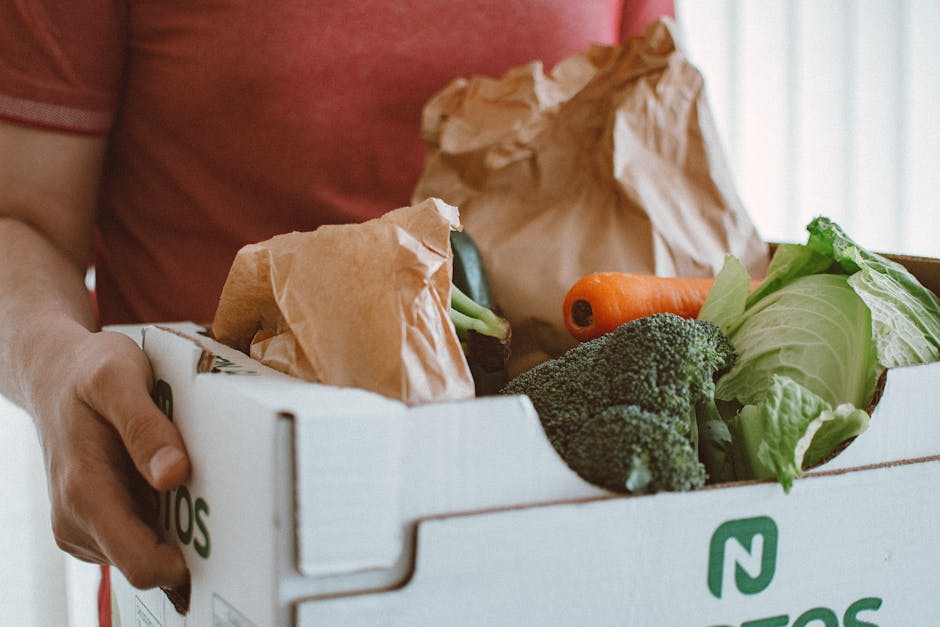
Climate is on the menu. In 2024, food brands aren’t just talking sustainability they’re branding with it. Regenerative agriculture is becoming a kind of street cred. Companies are spotlighting their soil health practices and biodiversity supporting methods right on the packaging. It’s not virtue signaling if it’s verified, and shoppers are learning to spot the difference.
Upcycled ingredients are having a moment too. Think banana peels in baked goods, pulp in protein bars, and spent grains turned into flour. What used to be waste is now premium. It’s less about squeezing margins and more about storytelling brands using creativity to show they’re serious about reducing food waste.
Carbon labeling is also picking up steam. While still not standardized across the board, more products are including carbon footprint data. For climate conscious eaters, that extra line on the label matters. In a crowded store aisle or scrolling an online grocery app, one gram of CO₂e can tip the balance.
Sustainability isn’t the niche play it used to be. It’s core to a food brand’s identity and increasingly, its survival.
Tech Driven Food Experiences
Food and tech aren’t just coexisting they’re cooking together. In 2024, AI isn’t just writing poems or editing photos. It’s designing your lunch. Tools like AI generated recipes use your taste preferences, dietary restrictions, and even your fitness goals to whip up personalized meal plans. No second guessing what’s for dinner your digital assistant already knows.
At home, the kitchen’s getting smarter. Countertop gadgets are now voice activated, app driven, and algorithm aware. Think air fryers that adjust cook time based on portion size or blenders that suggest recipes based on what you’ve got left in the fridge. It’s not about being futuristic it’s about solving dinner without the mental load.
And when it comes to community, food is going digital too. Virtual tastings, remote chef led classes, and online ‘cook alongs’ are connecting food lovers in real time. The physical table might be smaller, but the guest list just got global. For creators and brands, this opens a buffet of new formats to experiment with livestreams, meal based AR filters, interactive recipe walkthroughs.
Bottom line: tech is turning the kitchen from a chore zone into a playground. And eaters? They’re eating it up.
Sneak Peek at More Trends
Still hungry for what’s next? The pace of food innovation isn’t slowing down. If you want the full picture what’s heating up in test kitchens, hitting grocery store shelves, or about to make waves on menus don’t just stop here. Check out the latest trend list for deeper insights into rising ingredients, shifting consumer behavior, and the bold moves restaurants are making to stay ahead. Whether you’re a home cook, a brand strategist, or just a curious eater, it’s worth a look.
Fast Moving. Flavor Packed.
The food scene in 2024 is anything but boring. From ingredient innovation to the incorporation of smart tech, food experiences have become more adventurous, informed, and globally inspired. Here’s what to keep in mind as you navigate the ever evolving culinary landscape:
What Defines Food in 2024?
Wild: Expect bold flavors, unconventional pairings, and creative formats that challenge the norm.
Global: Regional cuisines from around the world are taking center stage with authenticity over fusion.
Health Forward: Gut health, clean labels, and plant based options aren’t just trends they’re expectations.
Tech Savvy: From AI assisted meal planning to virtual tastings, food is getting future ready fast.
How to Stay Ahead
Stay informed: Follow trend reports, influencer chefs, and ingredient spotlights.
Eat well: Prioritize quality, sustainability, and taste in every bite.
Try something new: Don’t shy away from the unexpected flavors from emerging regions or upcycled ingredients might surprise you.
Want a deeper dive into what’s next on the plate?
Explore more in our detailed latest trend list

 Carol Manginorez is the kind of writer who genuinely cannot publish something without checking it twice. Maybe three times. They came to meal prep ideas through years of hands-on work rather than theory, which means the things they writes about — Meal Prep Ideas, Food Trends and Culture, Healthy Eating Tips, among other areas — are things they has actually tested, questioned, and revised opinions on more than once.
That shows in the work. Carol's pieces tend to go a level deeper than most. Not in a way that becomes unreadable, but in a way that makes you realize you'd been missing something important. They has a habit of finding the detail that everybody else glosses over and making it the center of the story — which sounds simple, but takes a rare combination of curiosity and patience to pull off consistently. The writing never feels rushed. It feels like someone who sat with the subject long enough to actually understand it.
Outside of specific topics, what Carol cares about most is whether the reader walks away with something useful. Not impressed. Not entertained. Useful. That's a harder bar to clear than it sounds, and they clears it more often than not — which is why readers tend to remember Carol's articles long after they've forgotten the headline.
Carol Manginorez is the kind of writer who genuinely cannot publish something without checking it twice. Maybe three times. They came to meal prep ideas through years of hands-on work rather than theory, which means the things they writes about — Meal Prep Ideas, Food Trends and Culture, Healthy Eating Tips, among other areas — are things they has actually tested, questioned, and revised opinions on more than once.
That shows in the work. Carol's pieces tend to go a level deeper than most. Not in a way that becomes unreadable, but in a way that makes you realize you'd been missing something important. They has a habit of finding the detail that everybody else glosses over and making it the center of the story — which sounds simple, but takes a rare combination of curiosity and patience to pull off consistently. The writing never feels rushed. It feels like someone who sat with the subject long enough to actually understand it.
Outside of specific topics, what Carol cares about most is whether the reader walks away with something useful. Not impressed. Not entertained. Useful. That's a harder bar to clear than it sounds, and they clears it more often than not — which is why readers tend to remember Carol's articles long after they've forgotten the headline.