What Makes Umami Different
Umami is the quiet powerhouse of taste the one most people can’t name, but instantly recognize. It’s that deep, rounded savoriness that makes a broth comforting, a tomato sauce satisfying, and a sprinkle of Parmesan feel like culinary magic. Unlike the punch of sour or the hit of salt, umami works in the background, binding flavors together and grounding them.
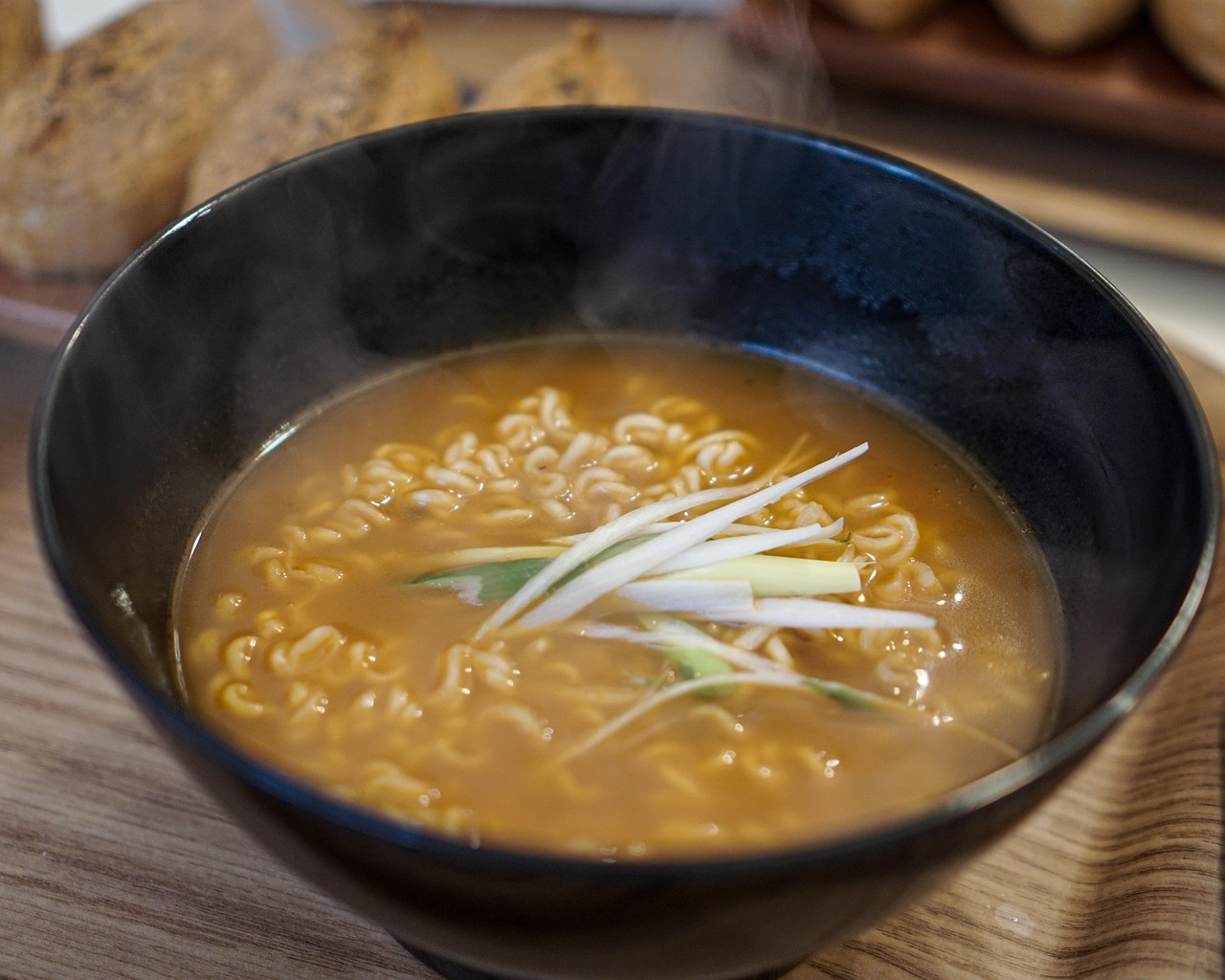
You’ll find it in ingredients like ripe tomatoes, sautéed mushrooms, aged cheese, dried seaweed, and anything fermented especially soy sauce. These foods are naturally rich in glutamates and nucleotides, the compounds that send those “savory deliciousness” signals to your brain. They’re the reason why something as simple as a slow cooked stew can taste like it took a dozen steps more than it did.
It wasn’t always common knowledge. Umami was first identified by Japanese scientist Kikunae Ikeda in 1908, but it took the West decades to catch up. For most people outside of Asia, the idea of a “fifth taste” didn’t enter the conversation seriously until the late 20th century. Now, it’s a staple in kitchens that want their food to hit that satisfying, can’t quite explain why it’s so good note.
Common Umami Rich Ingredients
Umami lives in ingredients that have been aged, fermented, roasted, or simmered into submission. These aren’t flashy ingredients they’re quiet heavy hitters that dial up flavor without needing attention.
Start with fermented sauces. Soy sauce, fish sauce, and miso are pantry staples in many kitchens for good reason. A splash of soy wakes up a stir fry. A drop of fish sauce adds unexpected depth to soups and marinades. Miso especially the darker varieties brings savory weight to light broths, veg dishes, and even salad dressings.
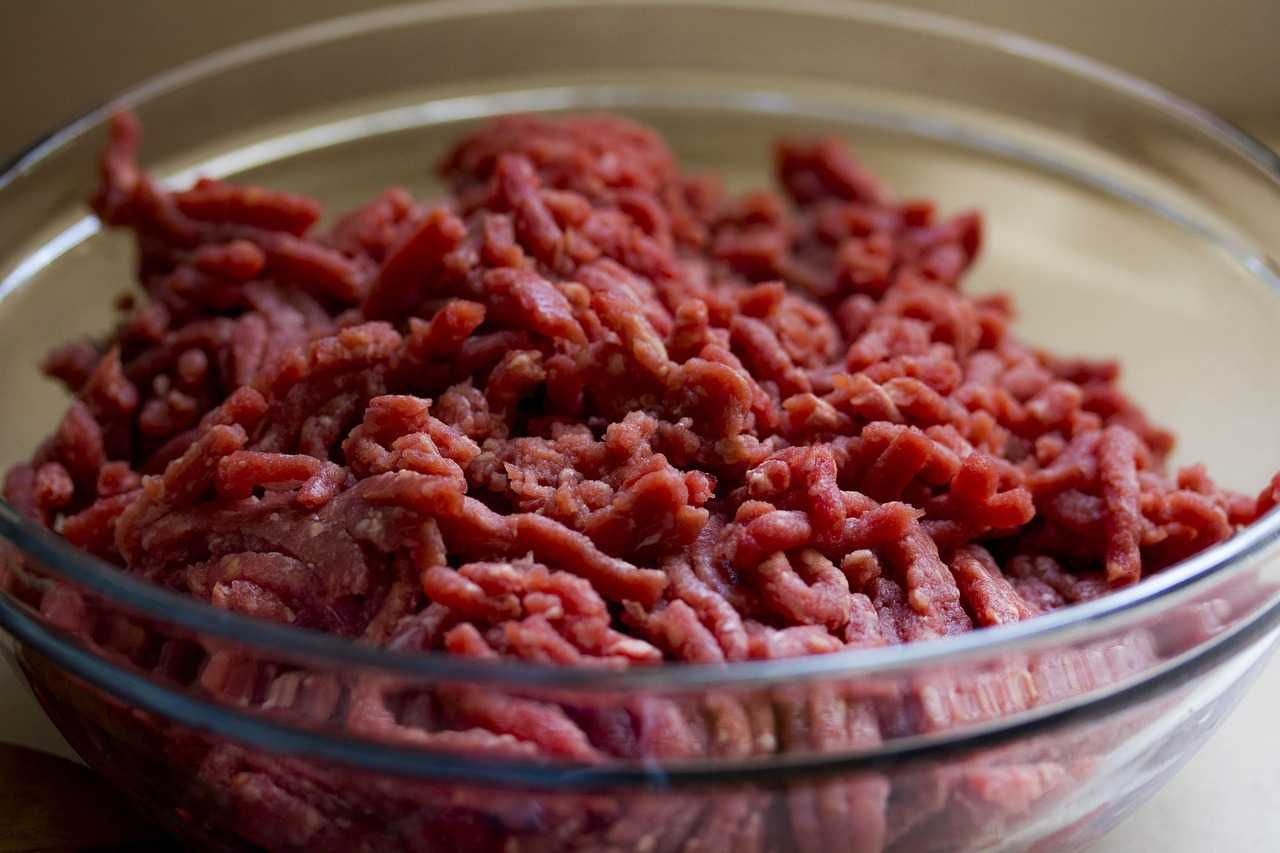
Then there’s protein that’s been handled with patience. Parmesan cheese, dry aged beef, and cured hams like prosciutto didn’t get that umami punch overnight. Time intensifies their savoriness. Use them sparingly but smartly grate Parmesan over roasted vegetables or fold bits of prosciutto into a mushroom risotto for extra dimension.
Broths and reductions are another layer. A long simmered bone broth or a sauce that’s been reduced to a glossy spoonful concentrates flavor naturally. No shortcuts here just low, slow heat and time.
Last, don’t ignore the power of roasted vegetables. Tomatoes, mushrooms, onions hit them with high heat and they transform. Their natural sugars caramelize, cell walls break down, and their natural glutamates shine. Toss them into pasta, blend into soup, or serve as a base for sauces.
Each of these delivers a different shade of umami, but together? That’s when things start tasting like they came from a far more experienced cook.
Why Umami Elevates Flavor
Umami isn’t just a trend it’s a fundamental flavor that transforms cooking in subtle but powerful ways. Its ability to harmonize and deepen food makes it a favorite among both professional chefs and home cooks.
A Gentle Enhancer
Umami provides richness and balance without overshadowing other flavors in a dish. Unlike overly salty or spicy ingredients, umami builds depth quietly, enhancing the overall experience.
Adds roundness to the flavor profile
Doesn’t dominate the dish works in harmony with other tastes
Makes food feel more complete and satisfying
Natural Taste Amplifier
One of umami’s most useful traits is its ability to amplify saltiness. This means you can reduce actual sodium content while retaining the savory punch.
Enhances perception of salt
Allows for lower use of added salt or soy sauce
Especially helpful in heart healthy and reduced sodium cooking
Versatility Across Diets
Whether you’re cooking meat based meals or plant forward plates, umami adds complexity that keeps dishes from tasting flat. Its wide range of sources fermented, roasted, or aged make it accessible in any style of cuisine.
Deepens the flavor of meat dishes like stews, braises, and roasts
Elevates vegetarian meals without artificial flavor boosters
Essential in making plant based dishes more satisfying
Cooking Techniques That Boost Umami
Umami doesn’t just appear by accident it’s coaxed out through technique. Caramelization and the Maillard reaction are two major players. Anytime you brown meat, toast bread, or roast a tray of vegetables until they darken and intensify, you’re triggering these reactions. What you get back is flavor that’s deeper, nuttier, and undeniably savory.
Fermentation and aging also punch up umami. Time breaks proteins and starches into simpler, flavor packed compounds. That’s why cheese gets funkier with age and miso paste has more weight than a pile of salt. If you’ve got patience and a fridge, you’ve got the tools.
Then there’s the slow game: reductions. Think broths simmered for hours, or braises that turn tough cuts into rich, velvet smooth meals. The longer these cook down, the more concentrated their flavor becomes. No shortcuts here just low heat and time doing their thing.
Want to back up these techniques with sharper instincts? Check out Mastering the Art of Sautéing: Tips and Tools You Need.
Bringing It Into Your Kitchen in 2026
You don’t need a culinary degree to make a dish sing with umami you just need to be intentional. Start by combining umami rich ingredients for instant depth. Mushrooms sautéed with soy sauce and a spoonful of tomato paste? That’s not just dinner it’s a flavor bomb.
Vegetarian meals in particular benefit from this layering. Without meat’s natural glutamates, depth can fall flat unless you build it in. Toss mushroom powder into risottos, blend miso into salad dressings, or add a strip of kombu to soup stock. These aren’t exotic hacks they’re kitchen shortcuts that ground your meals in bold, savory flavor without the need for meat.
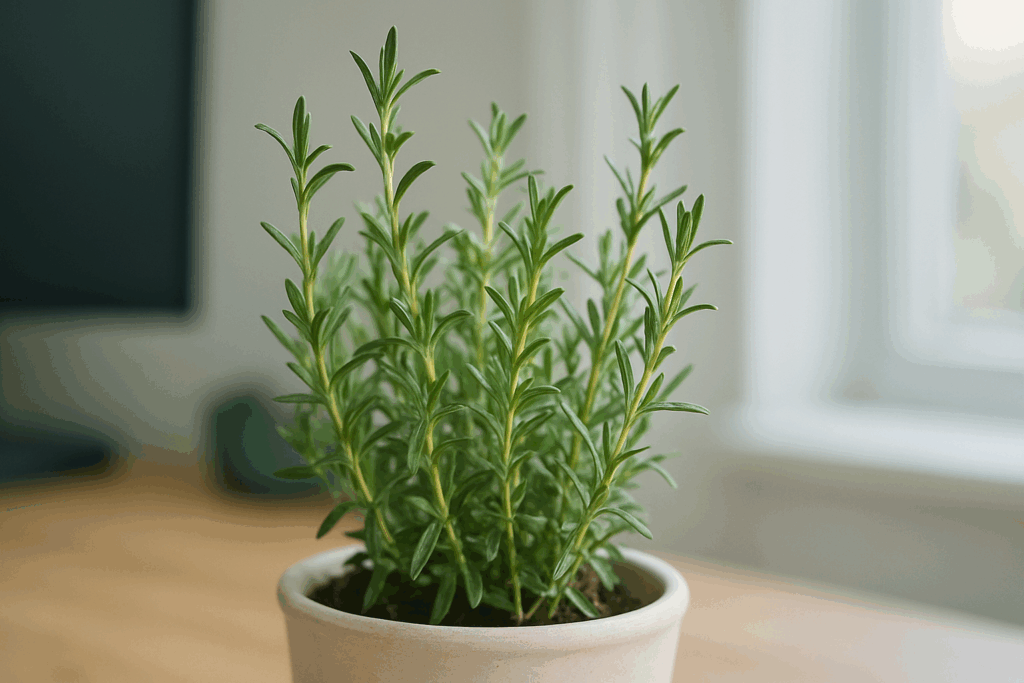
But here’s the catch: don’t overdo it. Umami is powerful, but on its own, it can get heavy. You need contrast. Think citrus, pickles, or fresh herbs something bright to keep things balanced. The best dishes make you want the next bite. That happens when richness meets freshness, and intensity plays nice with restraint.
Final Thought
Umami isn’t some rare, boutique flavor from a distant shelf it’s the backbone of food that hits hard and lingers in the best way. You’ve been tasting it your entire life, whether in a slow cooked bolognese, a strip of crispy bacon, or a handful of sun dried tomatoes. Once you learn to recognize it, you stop cooking in the dark.
Adding umami doesn’t mean complicating your cooking. It’s about layering the right ingredients fermented, aged, roasted so the dish carries more weight without extra effort. You don’t need a chemistry set or chef whites. Just know that when a meal feels full, satisfying, and irresistible, umami is usually the reason. Master it, and every bite speaks louder.

 Ask Joshua Poulsenation how they got into cooking techniques and tips and you'll probably get a longer answer than you expected. The short version: Joshua started doing it, got genuinely hooked, and at some point realized they had accumulated enough hard-won knowledge that it would be a waste not to share it. So they started writing.
What makes Joshua worth reading is that they skips the obvious stuff. Nobody needs another surface-level take on Cooking Techniques and Tips, Delicious Recipe Ideas, Healthy Eating Tips. What readers actually want is the nuance — the part that only becomes clear after you've made a few mistakes and figured out why. That's the territory Joshua operates in. The writing is direct, occasionally blunt, and always built around what's actually true rather than what sounds good in an article. They has little patience for filler, which means they's pieces tend to be denser with real information than the average post on the same subject.
Joshua doesn't write to impress anyone. They writes because they has things to say that they genuinely thinks people should hear. That motivation — basic as it sounds — produces something noticeably different from content written for clicks or word count. Readers pick up on it. The comments on Joshua's work tend to reflect that.
Ask Joshua Poulsenation how they got into cooking techniques and tips and you'll probably get a longer answer than you expected. The short version: Joshua started doing it, got genuinely hooked, and at some point realized they had accumulated enough hard-won knowledge that it would be a waste not to share it. So they started writing.
What makes Joshua worth reading is that they skips the obvious stuff. Nobody needs another surface-level take on Cooking Techniques and Tips, Delicious Recipe Ideas, Healthy Eating Tips. What readers actually want is the nuance — the part that only becomes clear after you've made a few mistakes and figured out why. That's the territory Joshua operates in. The writing is direct, occasionally blunt, and always built around what's actually true rather than what sounds good in an article. They has little patience for filler, which means they's pieces tend to be denser with real information than the average post on the same subject.
Joshua doesn't write to impress anyone. They writes because they has things to say that they genuinely thinks people should hear. That motivation — basic as it sounds — produces something noticeably different from content written for clicks or word count. Readers pick up on it. The comments on Joshua's work tend to reflect that.