Why Make Ahead Matters
Weeknights can be chaos work spills over, errands stack up, and before you know it, dinner turns into delivery again. That’s where make ahead meals quietly become the week’s MVP. Prepping just a few dishes in advance takes the decision fatigue out of weekday meals and cuts down the scramble at 6 PM.
It’s not just about saving time. Having meals ready to go also means fewer half eaten vegetables rotting in the fridge, fewer last minute takeout splurges, and more control over what ends up on your plate. Balanced meals become less of an aspiration and more of a habit.
Plus, there’s a budget upside. When your meals are planned, your grocery list gets sharper. You buy what you need, use what you buy, and keep impulse spending in check. It’s a small shift that makes a real difference.
Read these tips for planning meals
Meal Plan Strategy 101
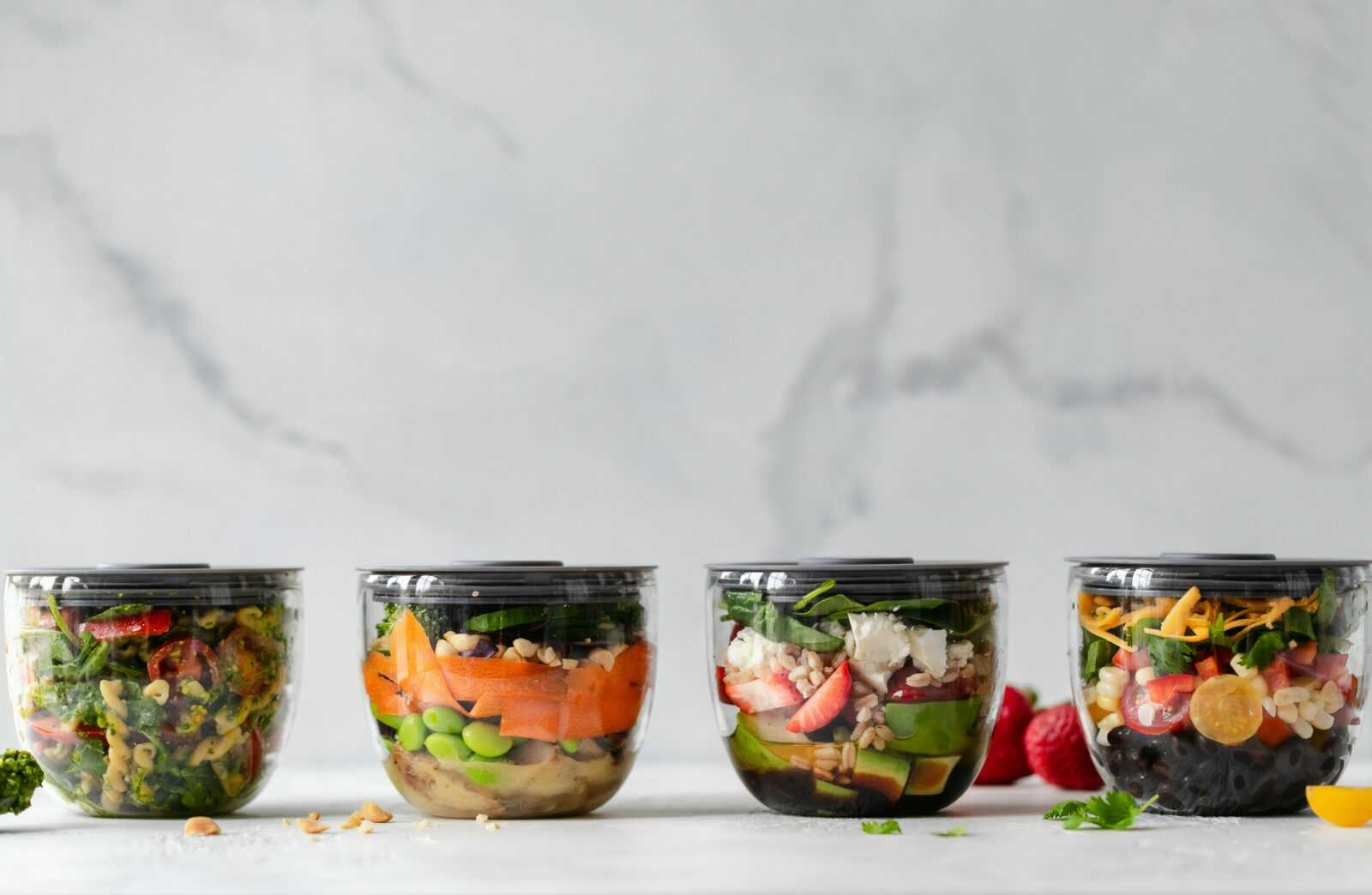
If you’re going to make five days’ worth of meals in one go, you’ve got to start with the basics. First, batch cooking. Pick a few anchor ingredients you can prep in volume roast a tray of veggies, grill a stack of chicken breasts, boil a couple of grains like farro or brown rice. Think big batch now, save time later.
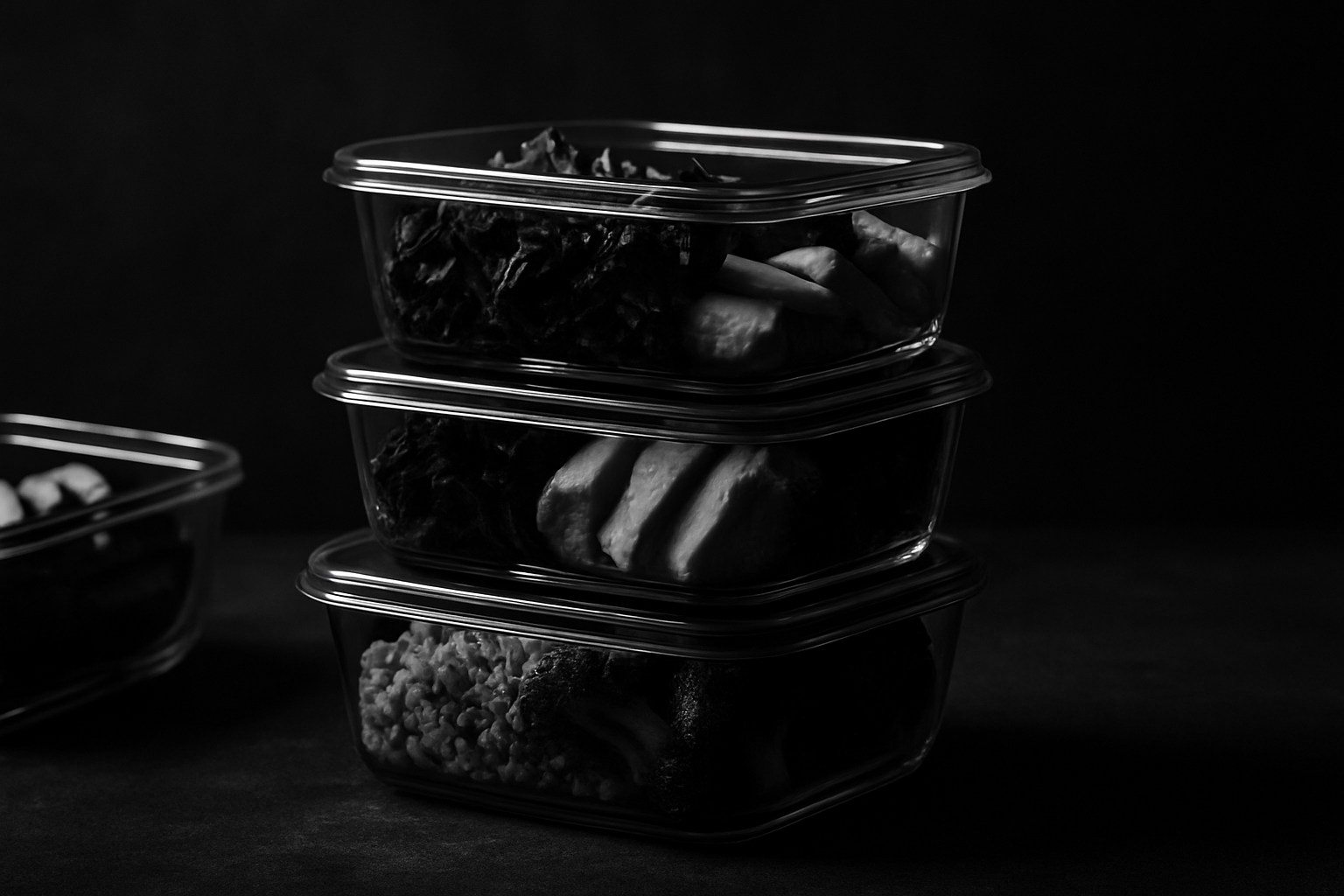
Storage is non negotiable. Use clear containers with tight lids, and label everything with the cook date. Keep dressings and sauces separate when you can; it preserves texture and helps avoid soggy messes midweek. Most fresh meals last up to four days in the fridge, some freeze well too just don’t guess. Know what holds and what doesn’t.
Pick meals built to survive a few days in the fridge hearty stews, stir fries, grain bowls, roasted meats. Leafy salads or anything bread heavy? Not so much. Focus on foods that develop more flavor over time, not less.
When it comes to mix and match prep, set yourself up with a few flexible components: one or two grains, two proteins, and two sauces. From there, you can combine them differently each day. Example? Quinoa + grilled chicken + chimichurri one day, farro + tofu + peanut sauce the next.
Before you start, do a quick pantry check. Stock up on your basics: olive oil, broth, spices, garlic, canned beans. Then make sure your containers, fridge space, and freezer bags are ready to roll. Prepping won’t save you time unless your kitchen is stage ready.
Explore more tips for planning meals
Wednesday: Baked Pesto Chicken Wraps
Midweek hits different when lunch or dinner is already dialed in. These baked pesto chicken wraps are simple, flavorful, and built to travel. Start with boneless chicken breasts coat them in your favorite pesto and bake until they’re cooked through and juicy. Once cooled, slice the chicken thin.
Grab whole wheat wraps, lay down a handful of greens (spinach or arugula work well), and layer in the sliced chicken. Wrap it tight and store in the fridge. You can eat them cold or give them a quick reheat. Either way, they hold up well and pack easy.
Ideal for lunchboxes or a grab and go dinner on busy nights. The flavor stays sharp, and the wraps won’t go soggy if stored properly. A small win in the middle of the week.
Meal Storage Smarts
Label everything. Sounds obvious, but it’s a game changer. A small strip of masking tape and a marker can save you from sniff tests and mystery meals. Write down the cook date and if you’re freezing it, tack on a “freeze by” date too. You’ll thank yourself later.
Next, learn what lives best where. Most cooked proteins, grains, and cooked vegetables hold up well in the fridge for 3 5 days. Anything beyond that? Freeze it. Soups, stews, chilis, and cooked meats freeze like champs. On the flip side, fresh greens, certain dairy based sauces, and pasta with delicate herbs don’t always bounce back from the freezer.
Containers matter more than you think. Use airtight glass or BPA free plastic containers for fridge storage. For the freezer, lean on freezer safe bags or hard containers that avoid freezer burn. Avoid stacking moist and crispy items together unless sogginess is your thing. Separate sauces when you can they’re better added during reheating.
A little prep up top means fewer letdowns later.
Final Pointers for A Smoother Week
Every plan needs some breathing room. Leave 1 2 meal slots open for leftovers, impromptu takeout, or dinner with friends. It keeps things flexible and helps avoid food waste.
Don’t reinvent the wheel each week build a rotation list of your favorite batch friendly meals. Think recipes that store well, reheat easily, and actually get you excited to open the fridge.
Once you nail one solid week, use that momentum. Copy, tweak, repeat. Meal prepping gets easier when it becomes a habit, not a chore.

 Ask Jalric Velmyre how they got into delicious recipe ideas and you'll probably get a longer answer than you expected. The short version: Jalric started doing it, got genuinely hooked, and at some point realized they had accumulated enough hard-won knowledge that it would be a waste not to share it. So they started writing.
What makes Jalric worth reading is that they skips the obvious stuff. Nobody needs another surface-level take on Delicious Recipe Ideas, Meal Prep Ideas, Healthy Eating Tips. What readers actually want is the nuance — the part that only becomes clear after you've made a few mistakes and figured out why. That's the territory Jalric operates in. The writing is direct, occasionally blunt, and always built around what's actually true rather than what sounds good in an article. They has little patience for filler, which means they's pieces tend to be denser with real information than the average post on the same subject.
Jalric doesn't write to impress anyone. They writes because they has things to say that they genuinely thinks people should hear. That motivation — basic as it sounds — produces something noticeably different from content written for clicks or word count. Readers pick up on it. The comments on Jalric's work tend to reflect that.
Ask Jalric Velmyre how they got into delicious recipe ideas and you'll probably get a longer answer than you expected. The short version: Jalric started doing it, got genuinely hooked, and at some point realized they had accumulated enough hard-won knowledge that it would be a waste not to share it. So they started writing.
What makes Jalric worth reading is that they skips the obvious stuff. Nobody needs another surface-level take on Delicious Recipe Ideas, Meal Prep Ideas, Healthy Eating Tips. What readers actually want is the nuance — the part that only becomes clear after you've made a few mistakes and figured out why. That's the territory Jalric operates in. The writing is direct, occasionally blunt, and always built around what's actually true rather than what sounds good in an article. They has little patience for filler, which means they's pieces tend to be denser with real information than the average post on the same subject.
Jalric doesn't write to impress anyone. They writes because they has things to say that they genuinely thinks people should hear. That motivation — basic as it sounds — produces something noticeably different from content written for clicks or word count. Readers pick up on it. The comments on Jalric's work tend to reflect that.