Why Small Swaps Matter

What you eat today doesn’t seem like a big deal. But do it day after day, and it adds up fast. That mid afternoon soda, the white bread at lunch, the deep fried side with dinner… none of them wreck your health alone, but stacked together, they form your long term habits.
The good news? You don’t need a total food overhaul to make a real impact. Healthy eating isn’t about cutting out everything you enjoy it’s about switching a few pieces at a time. Sub in Greek yogurt where you’d normally use sour cream. Swap in whole grains instead of refined ones. Switch your cooking oil from butter to olive oil. Simple.
These consistent changes don’t just trim calories or bump up nutrients they retrain your taste buds and your weekly routine. You get flavor, energy, and progress. No need to chase perfection. Just start from where you are and adjust with purpose.
Upgrade Your Carbs
You don’t have to ditch carbs you just need to be smarter about which ones stay on your plate. Swap out plain white rice for options with more fiber and nutrients, like quinoa, cauliflower rice, or brown rice. They hold up just as well under stir fry or curry, but keep your blood sugar steadier.
Regular pasta? Easy fix. Whole wheat gives you more fiber, while lentil or chickpea pasta kicks up the protein. Zucchini noodles (aka zoodles) are also a solid quick win for something lighter especially in creamy or rich sauces.
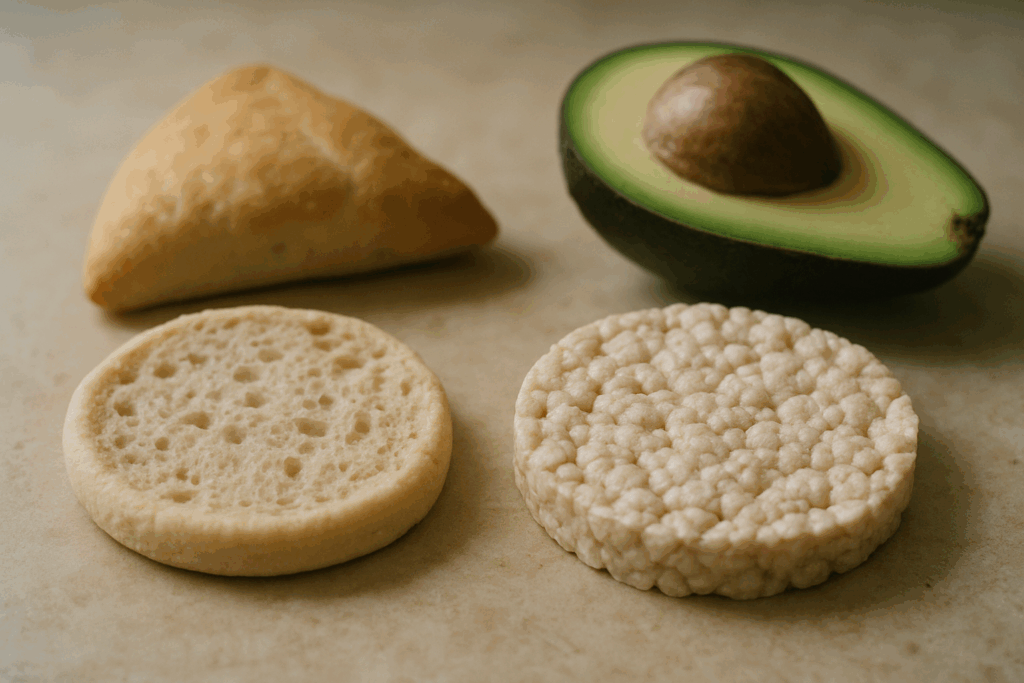
White bread has had its day. Switch to sprouted grain if you want better digestion and more vitamins per slice. Or go with sourdough it’s easier on the gut and has legit flavor. Same sandwich, just upgraded.
Better Fats, Not Less Fat
Cutting fat isn’t the goal focusing on the right fats is. Trade butter or margarine for heart friendly olive oil or creamy avocado. You’re still getting richness, but with fewer downsides.
Sour cream? Greek yogurt does the job and brings extra protein to the table. Goes just as well on tacos, potatoes, or in dips.
If you love a creamy sauce, try pureed cauliflower, cashew cream, or blended sweet potato. You get that velvety texture without the heavy cream crash.
Smarter Sugar Fixes
Soda’s easy to toss flavored sparkling water or unsweetened iced tea gets the job done, minus the sugar bomb.
Granola looks healthy but hides sweet overload. Try chia pudding made with plant milk and a little vanilla, or build a solid bowl of oats at home. You control the sweetness.
Craving ice cream? Blend a frozen banana until smooth and toss in your favorite add ins, or grab Greek yogurt and top with berries and a drizzle of honey. Just as satisfying way better for you.
Enhancing Protein Sources
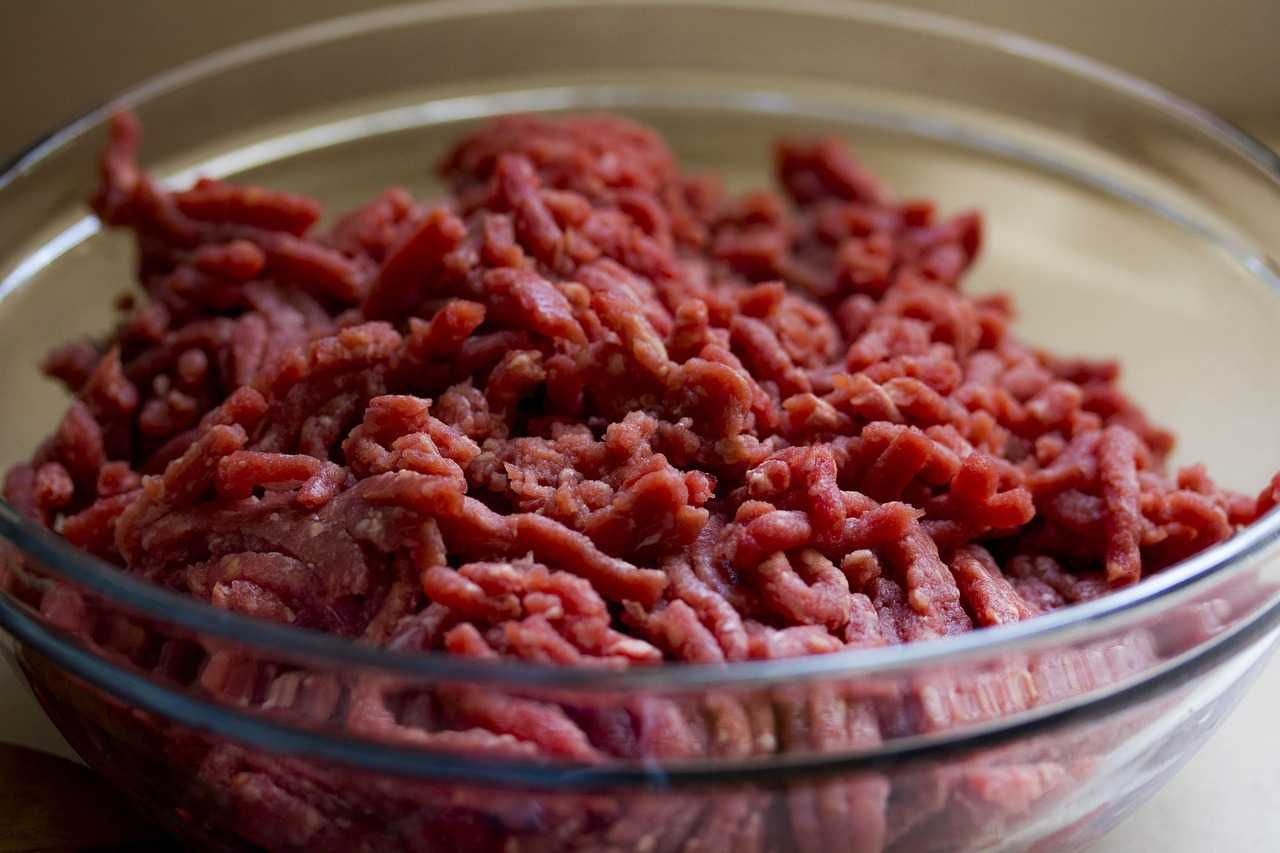
Your protein choices impact more than just how full you feel. Swapping out fatty cuts of red meat for lean proteins like chicken, turkey, or tofu makes a big difference in heart health long term.
Love bacon? Try turkey bacon, or if you’re feeling adventurous, crisped up tempeh. Even sliced avocado can add that salty fatty contrast without the processed meat baggage.
If your meals lean hard on cheese, ease up with light shredded blends or sprinkle in some nutritional yeast it gives you umami and B12, without all the saturated fat.
Everyday Cooking Tips That Add Up
Healthy eating isn’t about a complete kitchen overhaul it’s about small, repeatable habits. Start with how you cook. Deep frying adds a ton of unnecessary fat and calories. Baking, grilling, or air frying gives you the same crisp or char without the grease. It’s easier than it sounds, and once you taste the results, you won’t look back.
Next, punch up flavor without leaning on salt or sugar. Fresh herbs, bold spices, and a squeeze of citrus go a long way. Toss rosemary on roasted potatoes, add cumin to your beans, or finish a salad with lemon instead of bottled dressing. These little moves keep things exciting and healthy.
Finally, ditch the oil bath when sautéing or simmering. A splash of veggie or chicken broth does the trick and cuts calories fast. It’s an easy swap that keeps meals light without sacrificing moisture or taste. Over time, these choices stack up. Clean, flavorful, and better for your body.
Making healthier food choices isn’t about cutting everything you love it’s about creating balance. Smart substitutions let you enjoy your meals while sneaking in better nutrition. Swapping refined carbs, high sugar snacks, or heavy fats doesn’t mean your food has to taste like cardboard. It just means thinking ahead and being deliberate. The goal isn’t restriction it’s sustainability.
But if you’re staring down your pantry not sure what the first move is, don’t wing it. A quick chat with a registered dietitian can give you a fast track plan tailored to your lifestyle and preferences. Personalized tweaks go a long way in building habits that actually last. Start simple, start smart.
Need guidance? Check out expert tips here: nutrition expert advice.
Make the Shift Stick
Overhauling your diet overnight rarely works and honestly, it doesn’t have to. Start small. One habit a week is all it takes. Swap your sugary cereal for oats. Add a veggie to one extra meal. Pick something realistic, keep it consistent, and move on to the next.
Progress matters more than perfection. You’re not trying to ace some health exam. You’re aiming for sustainable change. So if a swap doesn’t land, adjust and try again. No guilt, no drama.
Also, give your taste buds some credit. They adapt quickly. What felt bland two weeks ago might hit just right today. The more whole, fresh foods you introduce, the more satisfying they become.
Pro tip: Sustainable changes are built on habit, not willpower. For more insights, take a look at expert strategies on nutrition expert advice.

 Carol Manginorez is the kind of writer who genuinely cannot publish something without checking it twice. Maybe three times. They came to meal prep ideas through years of hands-on work rather than theory, which means the things they writes about — Meal Prep Ideas, Food Trends and Culture, Healthy Eating Tips, among other areas — are things they has actually tested, questioned, and revised opinions on more than once.
That shows in the work. Carol's pieces tend to go a level deeper than most. Not in a way that becomes unreadable, but in a way that makes you realize you'd been missing something important. They has a habit of finding the detail that everybody else glosses over and making it the center of the story — which sounds simple, but takes a rare combination of curiosity and patience to pull off consistently. The writing never feels rushed. It feels like someone who sat with the subject long enough to actually understand it.
Outside of specific topics, what Carol cares about most is whether the reader walks away with something useful. Not impressed. Not entertained. Useful. That's a harder bar to clear than it sounds, and they clears it more often than not — which is why readers tend to remember Carol's articles long after they've forgotten the headline.
Carol Manginorez is the kind of writer who genuinely cannot publish something without checking it twice. Maybe three times. They came to meal prep ideas through years of hands-on work rather than theory, which means the things they writes about — Meal Prep Ideas, Food Trends and Culture, Healthy Eating Tips, among other areas — are things they has actually tested, questioned, and revised opinions on more than once.
That shows in the work. Carol's pieces tend to go a level deeper than most. Not in a way that becomes unreadable, but in a way that makes you realize you'd been missing something important. They has a habit of finding the detail that everybody else glosses over and making it the center of the story — which sounds simple, but takes a rare combination of curiosity and patience to pull off consistently. The writing never feels rushed. It feels like someone who sat with the subject long enough to actually understand it.
Outside of specific topics, what Carol cares about most is whether the reader walks away with something useful. Not impressed. Not entertained. Useful. That's a harder bar to clear than it sounds, and they clears it more often than not — which is why readers tend to remember Carol's articles long after they've forgotten the headline.