
Carbs Are the Enemy
Low carb diets have ruled headlines for years, but here’s the truth carbs aren’t the enemy. Cutting them can help in some specific situations (like managing type 2 diabetes or short term fat loss), but going too low for too long comes with its own problems. Your brain runs on glucose. Your muscles need it to power through workouts. Complex carbs from whole grains, legumes, fruits, and vegetables deliver that fuel slowly and steadily, with fiber and nutrients that do real work inside your body.
The key is quality, not elimination. There’s a big difference between a sugary donut and a bowl of oats. The donut spikes your blood sugar. The oats? They give you hours of steady energy.
Reducing carbs might matter if you’re dealing with insulin resistance or trying to hit certain fitness targets but for most people, it’s about striking a smart balance, not cutting entire food groups.
For a deeper, science backed take, check out this expert nutrition advice.
Eating Fat Makes You Fat
Here’s the truth fat doesn’t automatically make you fat. That myth needs to go. The real issue isn’t fat in general, but the kind you eat and how much of it you’re piling on.
Trans fats, often found in fried fast food or cheap packaged snacks, are the main problem. They increase bad cholesterol, wreck your heart health, and offer zero real nutrients. These are the fats to watch and limit.
Now, healthy fats are a very different story. Omega 3 and omega 6 fatty acids found in foods like olive oil, avocado, walnuts, and fatty fish actually help your body run better. They support hormone production, brain function, and help you feel full longer. That means fewer cravings and better energy balance across the day.
Bottom line: fat isn’t the villain. It’s a tool. Use it smartly and it works in your favor. Skip the processed junk fat. Keep the good stuff in your meals.
Skipping Meals Helps You Lose Weight
It sounds efficient skip a meal, cut calories, lose fat. But in reality, this approach often backfires. Missing meals causes blood sugar to drop, which pulls your body into a stress response. The result? You overeat later or reach for fast, high sugar foods just to stabilize. It’s not willpower failing it’s biology responding.
Skipping meals also slows down metabolism over time. When your body senses a lack of fuel, it leans conservative, burning fewer calories and holding onto fat. That mid afternoon energy crash or late night binge? Often a direct result of not eating earlier.
A smarter approach: mindful snacking and nutrient dense meals. Think an apple with nut butter mid morning or a hard boiled egg between meetings. Foods with protein, fiber, and healthy fats keep you full longer and your blood sugar steady. In the long run, consistent nourishment beats sporadic starvation every time.
You Need Supplements to Be Healthy
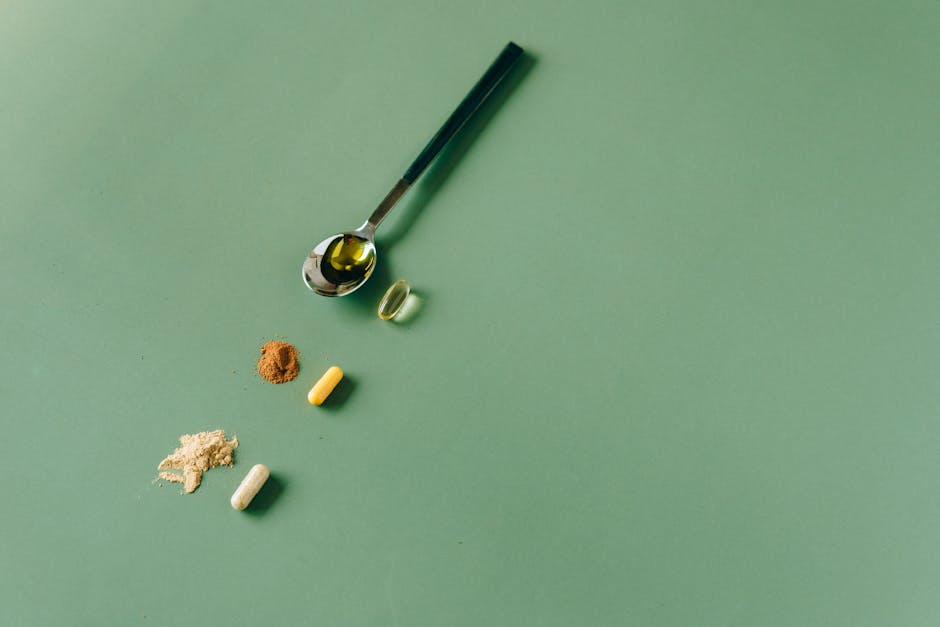
Let’s get one thing straight: whole foods aren’t optional they’re the foundation. No capsule, powder, or gummy can replace what real, unprocessed foods deliver in terms of fiber, micronutrients, phytochemicals, and variety. You can’t out supplement a bad diet. If your meals come in crinkly wrappers or from cardboard boxes, no multivitamin is going to fix that.
Still, supplements have their place. Vitamin D for people in low sunlight areas. B12 for vegans. Iron if you’re medically deficient. The key word here is need not want, not trend. Before popping anything daily, ask if your lifestyle or an actual deficiency justifies it. And if you’re guessing based on a vague Instagram post, don’t. Blood tests and qualified advice first.
Now to the labels. If it reads like a chemistry test, you’re probably better off skipping it. Watch for additives like titanium dioxide, artificial dyes, and excessive fillers like magnesium stearate or talc. Buzzwords on the bottle like “mega,” “ultra,” or “complete” often mean more about marketing than actual function. Keep it clean, and keep it necessary.
Detox Diets Actually Detox You
Here’s the truth: your body already knows how to detox no juice cleanse required. Your liver and kidneys have evolved over millions of years to flush out toxins effectively and quietly. They’re not waiting around for your next bottle of activated charcoal water.
The problem with trendy detox programs? Most of them are all marketing and zero science. Long term restrictive cleanses can throw your body off balance. They may cause fatigue, nutrient deficiencies, and blood sugar crashes not to mention the mental stress of trying to “cleanse” when your body’s already on the job.
If you’re serious about supporting your natural detox systems, it’s less about extreme diets and more about the basics. Hydrate consistently. Eat fiber rich foods that means fruits, veggies, legumes, and whole grains. Get solid sleep. Your body detoxes while you rest, not while you skip meals and sip cayenne spiked maple syrup.
Keep it simple. Detoxing isn’t a special event it’s a daily thing your body handles, as long as you give it what it needs.
Eating Late at Night Causes Weight Gain
The idea that eating after a certain hour leads directly to weight gain is one of the most persistent and misunderstood nutrition myths. In reality, it’s not about when you eat, but what and how much you eat over the course of the day.
Timing Isn’t Everything
Some people assume that eating late causes your body to hold onto fat more easily. However, weight management primarily comes down to calorie balance:
Total daily calorie intake matters more than the specific time those calories are consumed
Weight gain occurs when you’re consistently in a calorie surplus not because of a late night snack
Spacing meals according to personal schedule and hunger cues is often better than sticking to rigid food curfew rules
Focus on Food Quality and Quantity
Whether it’s breakfast, lunch, or a bedtime meal, the nutritional value of what you’re eating matters most:
Choose nutrient dense foods like whole grains, lean proteins, fruits, and veggies whenever possible
Avoid mindlessly eating late at night out of boredom or habit
Pay attention to portion sizes late night eating is often associated with high calorie snacking
Consider Circadian Rhythms Without the Guilt
While your body’s internal clock (circadian rhythm) does influence metabolism, it doesn’t mean eating at night is automatically bad:
Metabolism does slightly adjust throughout the day, but not enough to sabotage your health goals
If you work night shifts or have a non traditional schedule, it’s more important to eat in a pattern that supports your lifestyle
Instead of skipping meals or feeling guilty for eating late, aim for consistency and balance across your entire day
Bottom line: Weight gain isn’t about the hour on the clock it’s about patterns over time. Listen to your body, focus on nutritious choices, and don’t stress over the occasional late dinner.
Gluten Free Is Automatically Healthier
Let’s start with what gluten actually is it’s a group of proteins found in wheat, barley, and rye. For people with celiac disease, gluten triggers an immune response that damages the small intestine. Others may have non celiac gluten sensitivity, which causes discomfort without lasting damage. But here’s the thing: unless you fall into one of those two camps (which make up a minority), going gluten free probably does more harm than good.
A big pitfall? Most processed gluten free products are stripped down versions of their regular counterparts. They’re often lower in fiber and nutrients, and higher in sugar, salt, and additives to compensate for taste and texture. Swapping whole wheat bread for something labeled “gluten free” doesn’t make your lunch healthier by default it makes it different, and sometimes, less nutritious.
If you truly need to avoid gluten, focus on whole foods that happen to be gluten free without being engineered that way. Think brown rice, quinoa, sweet potatoes, and leafy greens. You’re better off building meals around real ingredients than loading up on gluten free cookies and crackers. Gluten free isn’t a shortcut to better health. It’s a specific tool for a specific need. Use it accordingly.
Wrap up: Get Nutrition Facts, Not Fiction
Before you overhaul your entire diet, pause. Where’s the information coming from? A viral video? A wellness influencer selling supplements? Marketing and misinformation are everywhere, and your health isn’t something to gamble on. Stick to sources rooted in science and backed by registered dietitians or vetted health institutions.
Equally important: listen to your own body. Nutrition is personal. What works for your colleague or favorite content creator might not work for you. Real progress comes from tuning in, not forcing extreme rules or copying someone else’s version of healthy.
For guidance from people who actually know what they’re talking about, check out this expert nutrition advice.

 Ask Jalric Velmyre how they got into delicious recipe ideas and you'll probably get a longer answer than you expected. The short version: Jalric started doing it, got genuinely hooked, and at some point realized they had accumulated enough hard-won knowledge that it would be a waste not to share it. So they started writing.
What makes Jalric worth reading is that they skips the obvious stuff. Nobody needs another surface-level take on Delicious Recipe Ideas, Meal Prep Ideas, Healthy Eating Tips. What readers actually want is the nuance — the part that only becomes clear after you've made a few mistakes and figured out why. That's the territory Jalric operates in. The writing is direct, occasionally blunt, and always built around what's actually true rather than what sounds good in an article. They has little patience for filler, which means they's pieces tend to be denser with real information than the average post on the same subject.
Jalric doesn't write to impress anyone. They writes because they has things to say that they genuinely thinks people should hear. That motivation — basic as it sounds — produces something noticeably different from content written for clicks or word count. Readers pick up on it. The comments on Jalric's work tend to reflect that.
Ask Jalric Velmyre how they got into delicious recipe ideas and you'll probably get a longer answer than you expected. The short version: Jalric started doing it, got genuinely hooked, and at some point realized they had accumulated enough hard-won knowledge that it would be a waste not to share it. So they started writing.
What makes Jalric worth reading is that they skips the obvious stuff. Nobody needs another surface-level take on Delicious Recipe Ideas, Meal Prep Ideas, Healthy Eating Tips. What readers actually want is the nuance — the part that only becomes clear after you've made a few mistakes and figured out why. That's the territory Jalric operates in. The writing is direct, occasionally blunt, and always built around what's actually true rather than what sounds good in an article. They has little patience for filler, which means they's pieces tend to be denser with real information than the average post on the same subject.
Jalric doesn't write to impress anyone. They writes because they has things to say that they genuinely thinks people should hear. That motivation — basic as it sounds — produces something noticeably different from content written for clicks or word count. Readers pick up on it. The comments on Jalric's work tend to reflect that.