
Understanding What Sautéing Really Is
Sautéing is all about heat, speed, and control. At its core, it’s a fast, high temperature cooking method that uses a small amount of fat in a wide, shallow pan. The science behind it is simple but powerful: high heat rapidly evaporates moisture from the surface of the food, which helps it brown instead of steam. That browning called the Maillard reaction is where much of the flavor lives.
This is why sautéing preserves both texture and taste better than water based methods like boiling or steaming. When you submerge vegetables in boiling water, you leach out flavor and soften them too much. Steaming is gentler, but it still leaves things tasting, well, a little flat. Sautéing, meanwhile, locks in intensity. A quick toss over hot oil crisps surfaces while keeping the inside tender.
Now, here’s where it gets easy to confuse terms. Sautéing is not searing, which uses even higher temps typically for meat and leaves the inside mostly raw for further cooking. It’s also not stir frying, which hails from Asian techniques and usually involves chopped foods cooked over very high heat in a wok, with constant movement and often a sauce addition.
In short: sautéing is fast, focused, and meant to bring out peak texture and flavor without drowning things in liquid or losing them to intense, dry heat. Done right, it’s the workhorse of any serious kitchen.
Choosing the Right Tools for the Job
When it comes to sautéing, your gear matters maybe more than you think. The right pan and utensils can mean the difference between crisp, golden veggies and limp, steamed sadness.
Best Pan Materials for Sautéing in 2026
Three types of pan dominate the sauté game in 2026: stainless steel, non stick, and carbon steel. Each has a place.
Stainless Steel is your go to for a solid sear and even browning. No coating means no limits high heat, metal utensils, deglazing straight in the pan. But it demands attention. You can’t zone out or shortchange the preheat.
Non Stick has come a long way with newer, non toxic coatings. It’s forgiving, which makes it ideal for beginners or delicate proteins. But it gives up crispiness and doesn’t like screaming hot burners.
Carbon Steel is the chef’s middle ground. Think cast iron, but lighter and quicker to respond to heat changes. It bonds with your food over time literally it builds a seasoning that improves performance. It needs maintenance. If you’re lazy with post cook cleanup, skip it.
Ideal Pan Size: Don’t Crowd the Party
Small pans kill good food. If your ingredients are stacked and steaming, not sizzling, you’re not sautéing you’re stew making. For most home cooks, a 10 to 12 inch skillet hits the sweet spot. Big enough to spread things out, small enough to manage on a standard burner. Want vegetables with color and bite? Give them room to breathe.
Must Have Utensils
Skip the novelty gear. Here’s what actually earns its spot next to the stove:
Wooden Spoon Gentle on all surfaces, built for control and scraping up fond.
Silicone Spatula Handy for delicate flips and last second sauce scraping. Handles heat without melting into your dinner.
Tongs Essential for flipping, tossing, and taste testing mid stream. Spring loaded steel with a soft grip gives you finesse without the slip.
Get the basics right, and the rest gets easier. Start with tools that let you execute fast, even cooking under pressure because that’s what sautéing is. No fluff. Just results.
The Oil Factor: Type and Temperature
Let’s get straight to it if your oil’s burning before your onions hit the pan, you’re doing it wrong. Understanding smoke points isn’t food science trivia; it’s what separates crisp and golden from acrid and wrecked. High heat sautéing calls for oils with higher smoke points: avocado oil, refined canola, grapeseed. Save extra virgin olive oil for drizzling or low heat its smoke point sits around 375°F and it’ll go bitter fast under direct flame.
Clarified butter (aka ghee) gives you rich, nutty flavor and a higher smoke point than standard butter. It’s a strong pick if you want depth but still need resilience under heat. Olive oil? Great for medium heat and when you’re chasing a specific taste. Don’t expect it to survive high temp tosses without protest.
To stop burning your oil before you even begin: preheat your pan first, then add the oil. Wait a few seconds just until it shimmers, not smokes. If you see wisps or smell toastiness before food hits the pan, pull it off and cool things down. Starting hot doesn’t mean starting scorched.
Mastering heat and oil choice is what keeps sauté work clean and flavorful. Simple steps, big payoff.
Heat Control Like a Pro
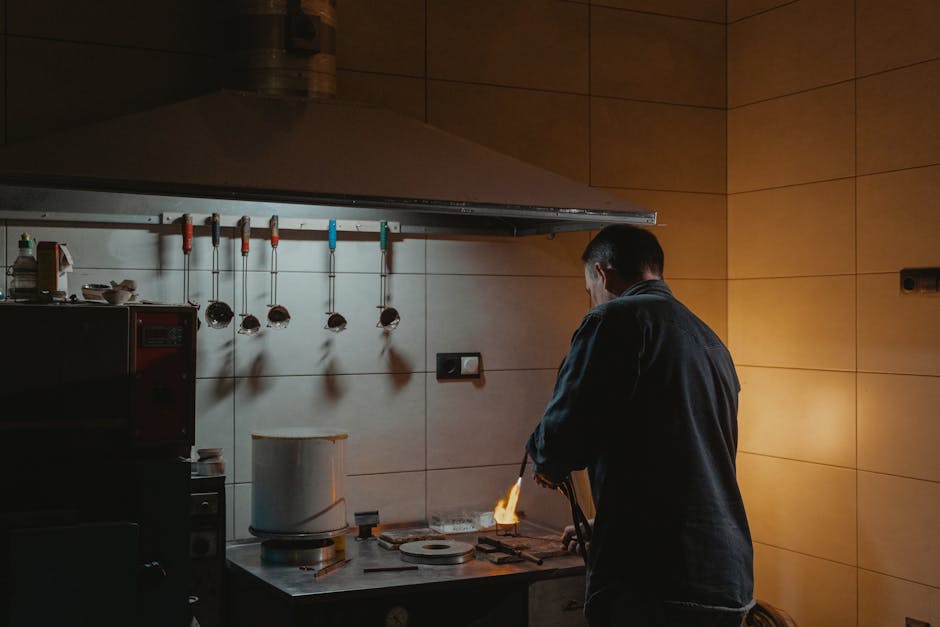
A good sauté starts before your ingredients hit the pan. The preheat is everything. A cold pan means your food steams instead of sears, bleeding flavor and texture. Wait. Let your pan heat first dry and empty on medium high until a flick of water dances across the surface. Then add your oil. If the oil shimmers (not smokes), you’re ready.
Now comes the balancing act: keep the heat high enough to caramelize, but not so hot you’re charring and shouting at your stove. If you notice your pan smoking or bits turning black before they brown, ease the flame down. On the flip side, if things aren’t sizzling the moment they hit the pan, your heat’s too low. Take control.
Mid cook adjustments matter. Adding cold protein? That drops temperature. Scale the heat up a notch. Deglazing with wine or broth? Kill the flame for a beat so it doesn’t flare. The flame is a tool use it dynamically. This isn’t a set it and forget it game. It’s you, the pan, the flame communicating in real time.
Technique Breakdown
Sautéing isn’t just heat and oil it’s rhythm. Nailing the toss is less about flair and more about timing. Flip too early, and the food hasn’t built up flavor. Wait too long, and you’re on the edge of burning. Stir when you’re building layers of ingredients, like onions first, garlic second. Toss when the goal is even browning or keeping delicate pieces from sticking. Ideally, it’s a mix stir heavy ingredients, toss the lighter ones.
When layering, think of moisture and density. Start with what takes longer to break down root veg or firm proteins then build toward the quick cook ingredients. Each layer should kiss the pan, not steam on top of the last. Keep it sparse. Crowding kills heat.
And about those brown bits stuck to the bottom? That’s gold. Deglaze with a splash from wine to broth to vinegar scrape with a wooden spoon, and watch your simple sauté turn into something complex. Pan juices are flavor amplifiers. Don’t toss them. Use them.
Elevating with Sauces
Sautéing is only the beginning. What you do after the ingredients are perfectly golden can take your dish from solid to spectacular. One of the best ways to elevate a sautéed dish is by using the built up fond (those caramelized bits left on the bottom of the pan) as a flavor foundation.
Turn Simplicity into Sophistication
Once your protein or vegetables are sautéed and removed from the pan:
Deglaze with a splash of liquid think wine, broth, or even water to lift up the flavorful bits.
Add aromatics like garlic, shallots, or herbs and let them soften in the pan.
Incorporate richness using butter, cream, mustard, or even a spoonful of jam depending on the dish.
Reduce to concentrate the flavors, allowing the sauce to thicken slightly as it cooks.
This process turns your everyday sauté into a restaurant worthy meal without much added time.
Simple Pan Sauces Worth Trying
Here are a few versatile and flavorful pan sauces to start with:
White wine and butter sauce great over chicken, fish, or asparagus
Creamy mustard pan sauce a classic with pork or Brussels sprouts
Garlic herb reduction perfect over sautéed mushrooms or steak
Lemon caper sauce a fresh, bright finish for sautéed shrimp or chicken thighs
Each of these uses the base left in your pan along with common kitchen staples.
Want to Dive Deeper?
For more in depth sauce strategies, check out this companion guide:
How to Make the Perfect Sauce Every Time
A great sauce doesn’t just complement what you’ve cooked it elevates the entire meal.
Common Mistakes to Avoid
The biggest enemy of a good sauté? Impatience.
Start with overcrowding the pan. It’s tempting to toss in “just one more mushroom” especially when you’re trying to get dinner on the table without using two skillets. But when the pan’s packed, steam builds up instead of escaping. That turns your beautiful sauté into an uneven, soggy mess. If you want that golden, crisped edge on your veggies or protein, you’ve got to give ingredients room to breathe.
Another trap: wet ingredients. Anything with moisture straight from a rinse or worse, frozen and not fully thawed will sabotage your sauté. Water cools the pan’s heat instantly and ramps up steam, which, again, means no browning. So whether it’s spinach, shrimp, or eggplant, blot it dry first.
Finally, let’s talk oil and temperature. Dumping cold oil or ingredients into a barely warm pan is a surefire way to get greasy, unevenly cooked food. Start with a preheated pan the kind that sizzles when a drop of water hits it. Then add the right oil with a high enough smoke point for the job. And make sure it’s hot before tossing anything in.
Sautéing isn’t about being fancy. It’s about discipline. Give the pan space, respect heat, and stay sharp. That’s how you get flavor and texture that hits every time.
Final Thought Starters
Sautéing might look simple, but don’t mistake it for basic. Once you’ve nailed the timing, motion, and heat control, you’re not just making dinner you’re prepping for bigger things. Understanding sautéing sets you up for braising, pan roasting, and building layered sauces that actually taste like something. It’s foundational technique that teaches speed, precision, and flavor development all in one go.
For home cooks, this is where daily cooking starts to feel less like a chore and more like craft. You can pull off quick meals that actually taste good without relying on boxed shortcuts. From Tuesday night garlic shrimp to a last minute spinach sauté that saves your pasta from blandness, this is your workhorse move.
Once you’re confident, don’t stop at onions and chicken strips. Try sautéing fresh gnocchi, torn mushrooms with miso butter, or even firm tofu with five spice. Finish with a pan sauce, deglaze with wine, layer in aromatics. When you can sauté with instinct instead of second guessing, you’re cooking for real.

 Ask Joshua Poulsenation how they got into cooking techniques and tips and you'll probably get a longer answer than you expected. The short version: Joshua started doing it, got genuinely hooked, and at some point realized they had accumulated enough hard-won knowledge that it would be a waste not to share it. So they started writing.
What makes Joshua worth reading is that they skips the obvious stuff. Nobody needs another surface-level take on Cooking Techniques and Tips, Delicious Recipe Ideas, Healthy Eating Tips. What readers actually want is the nuance — the part that only becomes clear after you've made a few mistakes and figured out why. That's the territory Joshua operates in. The writing is direct, occasionally blunt, and always built around what's actually true rather than what sounds good in an article. They has little patience for filler, which means they's pieces tend to be denser with real information than the average post on the same subject.
Joshua doesn't write to impress anyone. They writes because they has things to say that they genuinely thinks people should hear. That motivation — basic as it sounds — produces something noticeably different from content written for clicks or word count. Readers pick up on it. The comments on Joshua's work tend to reflect that.
Ask Joshua Poulsenation how they got into cooking techniques and tips and you'll probably get a longer answer than you expected. The short version: Joshua started doing it, got genuinely hooked, and at some point realized they had accumulated enough hard-won knowledge that it would be a waste not to share it. So they started writing.
What makes Joshua worth reading is that they skips the obvious stuff. Nobody needs another surface-level take on Cooking Techniques and Tips, Delicious Recipe Ideas, Healthy Eating Tips. What readers actually want is the nuance — the part that only becomes clear after you've made a few mistakes and figured out why. That's the territory Joshua operates in. The writing is direct, occasionally blunt, and always built around what's actually true rather than what sounds good in an article. They has little patience for filler, which means they's pieces tend to be denser with real information than the average post on the same subject.
Joshua doesn't write to impress anyone. They writes because they has things to say that they genuinely thinks people should hear. That motivation — basic as it sounds — produces something noticeably different from content written for clicks or word count. Readers pick up on it. The comments on Joshua's work tend to reflect that.