Misreading the Recipe
You’d be surprised how many baking fails start before the first scoop of flour. Skimming a recipe might save you thirty seconds, but it’ll cost you five hours when your cake sinks or your cookies spread into one giant puddle. Baking isn’t forgiving it doesn’t care if you thought you were supposed to add the eggs before creaming the butter.
Start by reading the entire recipe. Twice. No multitasking. Pay close attention to timing, temperature, and sequence. Look out for terms like “fold” (gentle incorporation, not stirring), “cream” (beat butter and sugar till pale and fluffy), or “beat until just combined” (stop the second things come together don’t keep going). These aren’t ornamental phrases. They’re precise technique cues.
By slowing down and digesting the instructions up front, you remove 80% of surprise disasters. Want better bakes? Treat the recipe like the instruction manual it is. Not a choose your own adventure.
Measuring Ingredients Incorrectly
Baking is not guesswork. It’s chemistry. That means accuracy with volume and technique affects the outcome every time. Flour is the biggest offender. Scooping straight from the bag with your measuring cup packs it down, often giving you more than you need. More flour = denser, drier bakes. Use the spoon and level method instead: lightly spoon flour into the measuring cup, then level it off with a flat edge. No shaking. No tapping. Just clean, consistent volume.
Then there’s measuring cup confusion: liquid and dry cups are not interchangeable. Liquid measuring cups have spouts and space for movement they let you measure things like milk or oil at eye level. Dry cups are for ingredients you scoop and level, like sugar or flour. Using the wrong tool might seem small, but in a recipe where a tablespoon too much or too little can change texture, it adds up fast.
Respect the measurements. They’re not suggestions they’re the roadmap to a good bake.
Using Ingredients at the Wrong Temperature
Room temperature isn’t just a suggestion on the recipe card it’s a structural necessity. Eggs and butter straight from the fridge can sabotage your bake. Cold eggs don’t incorporate as smoothly, and cold butter refuses to cream properly with sugar, leaving you with dense, uneven results. If you’re aiming for a soft crumb or silky batter, room temp ingredients are the baseline.
It all comes down to emulsification. When butter and eggs are roughly the same temperature, they blend evenly. That creates a stable batter where air gets trapped and expands in the oven, giving your baked goods structure and lift. Toss in a cold egg? The butter congeals, and the emulsion breaks. Now you’ve got a mess instead of a batter.
Short on time? There are fast fixes. To warm eggs, place them in a bowl of warm (not hot) water for 5 10 minutes. For butter, cube it and leave it out for about 15 minutes, or give it a few low power pulses in the microwave go slow to avoid melting. Bottom line: don’t let impatience sink your bake. Warm up right, and your texture will thank you.
Overmixing the Batter or Dough
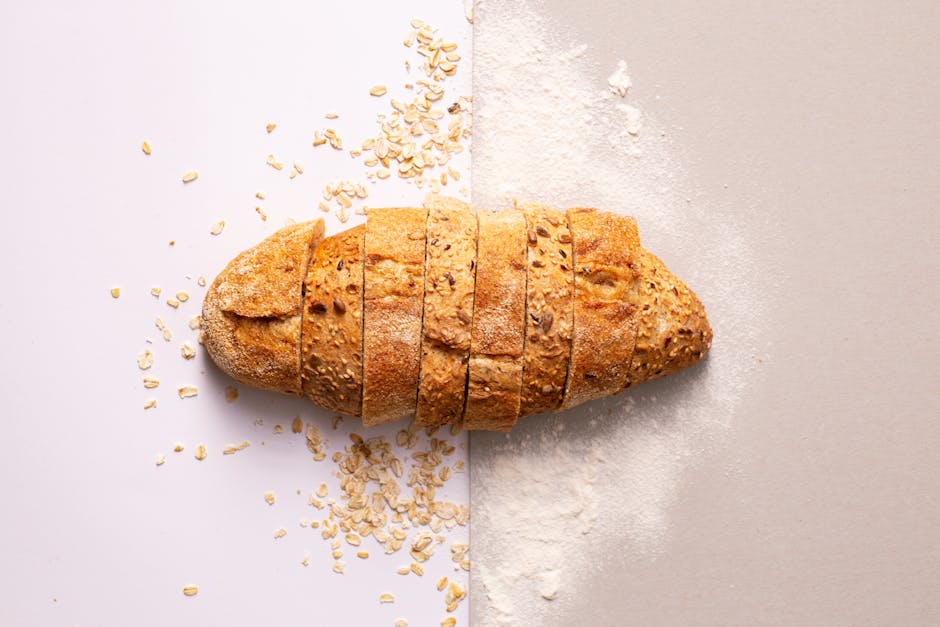
Gluten is your best friend when you’re after a crusty sourdough or chewy baguette. Not so much when you’re making muffins, pancakes, or cakes. Overmixing develops too much gluten which means tough, rubbery textures where there should be soft, tender crumb.
The trick is to mix just until the dry ingredients disappear into the wet. Lumps? Totally fine. In fact, a few small ones are a sign you haven’t pushed the batter too far. If you’re using a stand mixer, be extra cautious: those beaters are powerful and fast. Learn to pause, scrape down, and check for texture instead of blindly following mixing times.
In short, be gentle. Think of mixing like folding bedsheets not wringing out a towel. The less you fuss, the better your crumb.
Ignoring Your Oven’s Real Temperature
Here’s the dirty secret: most ovens are liars. What your dial says and what’s actually happening inside can be two very different things. Ten degrees off? That’s normal. Twenty? Not uncommon. And for something as unforgiving as baking, that margin of error can wreck a batch.
The fix is simple and surprisingly affordable buy an oven thermometer. A basic model costs less than a lunch out and tells you what temperature you’re actually working with. Place it in the center of the oven before preheating and trust it, not the knob.
Speaking of placement, don’t just cram your tray wherever there’s space. Stick to the center rack unless your recipe says otherwise. It’s the sweet spot for even heat distribution and consistent bakes. Too high and tops burn. Too low and bottoms go crispy before the inside sets.
Bake smart. Use the tools. Stay centered.
Rushing Cooling Time
Pulling your bake out of the oven doesn’t mean it’s done. Heat lingers, and those extra few minutes of residual cooking can make or break the texture. Cut too soon, and your cake might collapse or your cookies turn gummy inside. Patience isn’t just a virtue it’s structure.
Cooling time matters because it lets starches set and fats solidify. Skip that, and you’re basically wrecking the final step of the recipe. That’s where wire racks come in: they let air circulate so the bottom doesn’t go soggy while the top firms up. No rack? You’re trapping steam, not cooling.
Want that crisp edge, that clean slice, that bakery finish? Let it cool. All the way.
Not Understanding Flavor Building
Some bakes fall flat, and it’s not because of technique it’s flavor balance. Salt’s job isn’t to make things salty; it sharpens everything else. Leave it out, and even the best chocolate tastes dull. It’s the quiet MVP of every recipe.
Then there’s fat. Butter, cream, oils they don’t just add richness. Fat carries aroma and makes flavors linger. Without it, your bake can land like a dry speech technically correct but missing heart.
Still not getting the depth you want? That’s where umami steps in. It’s often overlooked in baking, especially sweet recipes, but it matters. Think browned butter, caramelized sugars, even a pinch of miso in chocolate cookies. These build that craveable depth that keeps people coming back for seconds.
Want to nerd out more? Check this out: Understanding the Magic of Umami in Cooking
Final Word: Practice with Precision
Baking trends come and go. One year it’s cloud bread, the next it’s butter boards. But in 2026, the real foundation of good baking hasn’t changed. Success still hinges on the basics knowing when to fold, how to measure flour properly, and why room temperature ingredients matter more than your newest kitchen gadget.
Chasing trends without mastering fundamentals is a fast track to flat cakes and frustration. Learn your ratios. Know your oven. Respect the recipe before you attempt to reinvent it. Precision isn’t about being fancy it’s about knowing what works and doing it right, every time.
So before you try to turn your sourdough into a charcoal infused, beet glazed cronut hybrid for the clout, ask yourself: Did I measure that flour with intention? Did I mix just enough no more, no less? And most importantly, did I taste with patience? The heart of baking lies not in the trend, but in the technique.

 Carol Manginorez is the kind of writer who genuinely cannot publish something without checking it twice. Maybe three times. They came to meal prep ideas through years of hands-on work rather than theory, which means the things they writes about — Meal Prep Ideas, Food Trends and Culture, Healthy Eating Tips, among other areas — are things they has actually tested, questioned, and revised opinions on more than once.
That shows in the work. Carol's pieces tend to go a level deeper than most. Not in a way that becomes unreadable, but in a way that makes you realize you'd been missing something important. They has a habit of finding the detail that everybody else glosses over and making it the center of the story — which sounds simple, but takes a rare combination of curiosity and patience to pull off consistently. The writing never feels rushed. It feels like someone who sat with the subject long enough to actually understand it.
Outside of specific topics, what Carol cares about most is whether the reader walks away with something useful. Not impressed. Not entertained. Useful. That's a harder bar to clear than it sounds, and they clears it more often than not — which is why readers tend to remember Carol's articles long after they've forgotten the headline.
Carol Manginorez is the kind of writer who genuinely cannot publish something without checking it twice. Maybe three times. They came to meal prep ideas through years of hands-on work rather than theory, which means the things they writes about — Meal Prep Ideas, Food Trends and Culture, Healthy Eating Tips, among other areas — are things they has actually tested, questioned, and revised opinions on more than once.
That shows in the work. Carol's pieces tend to go a level deeper than most. Not in a way that becomes unreadable, but in a way that makes you realize you'd been missing something important. They has a habit of finding the detail that everybody else glosses over and making it the center of the story — which sounds simple, but takes a rare combination of curiosity and patience to pull off consistently. The writing never feels rushed. It feels like someone who sat with the subject long enough to actually understand it.
Outside of specific topics, what Carol cares about most is whether the reader walks away with something useful. Not impressed. Not entertained. Useful. That's a harder bar to clear than it sounds, and they clears it more often than not — which is why readers tend to remember Carol's articles long after they've forgotten the headline.