

Why Flavor Pairing Matters
When it comes to memorable meals, cooking technique is only one part of the equation. The unsung hero behind every satisfying dish? Flavor balance. A well paired set of flavors doesn’t just taste great it affects how much you enjoy food, how well you digest it, and even how soon you feel full.
It’s About More Than Taste
Flavor pairing goes beyond creating something delicious. It supports these key aspects:
Appetite: Certain flavors stimulate hunger, while others satisfy cravings.
Digestion: Ingredients like ginger or lemon can aid digestion, especially when paired thoughtfully.
Satisfaction: Balance in a dish prevents palate fatigue and keeps each bite interesting.
The 5 Basic Flavor Elements
To build balanced meals, start by understanding the five core flavor profiles:
Sweet Comes from sugar, honey, fruits, or even roasted veggies like carrots and sweet potatoes. It softens salty or spicy notes.
Salty Enhances other flavors and is key for savory dishes. Found in salt, soy sauce, and cheeses.
Sour Brings brightness and sharpness. Think vinegar, citrus juice, or yogurt.
Bitter Adds complexity. Found in greens like arugula, dark chocolate, or certain spices.
Umami The “savory” depth in foods like mushrooms, tomatoes, aged cheese, and soy sauce.
Finding Harmony
A tasty dish often contains more than one of these elements. For example:
A tomato and mozzarella salad: sweet (tomato) + salty (cheese) + umami (basil and tomato)
A Thai curry: sweet (coconut milk) + spicy (chili) + sour (lime) + umami (fish sauce)
Once you start thinking this way, you’ll notice the harmony behind every great meal and you’ll be able to recreate it yourself.
Must Have Beginner Spices for Everyday Cooking
You don’t need a hundred jars to cook good food you just need a handful that work hard. Start with cumin, paprika, garlic powder, cinnamon, and turmeric. Each one earns its spot. Cumin brings earthy depth; paprika gives color and a gentle kick; garlic powder adds instant savoriness; cinnamon adds warmth beyond sweets; turmeric stains everything yellow in the best way and brings subtle bitterness that balances richness.
Simple swaps can lift a dish without making it complicated. No paprika? Try a pinch of cayenne but go easy. Out of garlic powder? Minced fresh garlic works just fine, just adjust for moisture. These tweaks punch up flavor without reinventing your recipe.
Whole spices pack more aroma and stay fresh longer, but they take time. Use them when you’re simmering or slow cooking like tossing whole cumin into hot oil at the start of a curry. Ground spices are fast and easy great for rubs, marinades, eggs, and fast weeknight meals. When in doubt, go ground, but use it sooner rather than later. Spices, like bread and ideas, go stale.
These five aren’t fancy but they’re foundational. Build here. Expand when you’re ready.
Pairing Basics That Work Every Time
Understanding which flavors complement each other is one of the easiest ways to step up your home cooking. While some combinations are classic for a reason, learning to balance flavor profiles across ingredients helps you cook more intuitively without always needing a recipe.
Go To Flavor Combos
These tried and true pairings work across cuisines and recipes. Start here if you’re looking for flavor harmony with minimal guesswork:
Basil + Tomato: Found in Italian dishes, especially marinara and caprese salads.
Cumin + Chili Powder: A warming combo perfect for tacos, chili, or roasted vegetables.
Lemon + Thyme: Light and aromatic ideal for poultry, fish, or roasted potatoes.
Balancing Flavor Profiles
Great meals are built on contrast and harmony. When you balance one flavor family with another, the result is a dish that feels well rounded and exciting.
Sweet + Heat: Think honey and chili flakes on roasted carrots or mango salsa with jalapeños.
Acid + Fat: Lemon juice or vinegar cuts through oily or rich dishes try drizzling balsamic on avocado.
Bitter + Sweet: Use bitter greens like arugula or radicchio in salads with sweet vinaigrettes or roasted fruit.
Regional Flavor Combinations
Each cuisine has its own core spices and flavor notes. Knowing these can guide your pairings or spice blends:
Mediterranean
Ingredients: Oregano, Olive Oil, Lemon
Great for: Fish, grilled vegetables, chickpea salads
South Asian
Ingredients: Coriander, Turmeric, Ginger
Great for: Lentils, curries, rice pilafs
East Asian
Ingredients: Soy Sauce, Sesame Oil, Garlic, Scallion
Great for: Stir fries, noodles, dumplings
Use these flavor foundations as a starting point, then mix and match as you grow more confident. Even a single addition like citrus zest or a pinch of chili can completely transform a dish.
How to Experiment Without Ruining Dinner
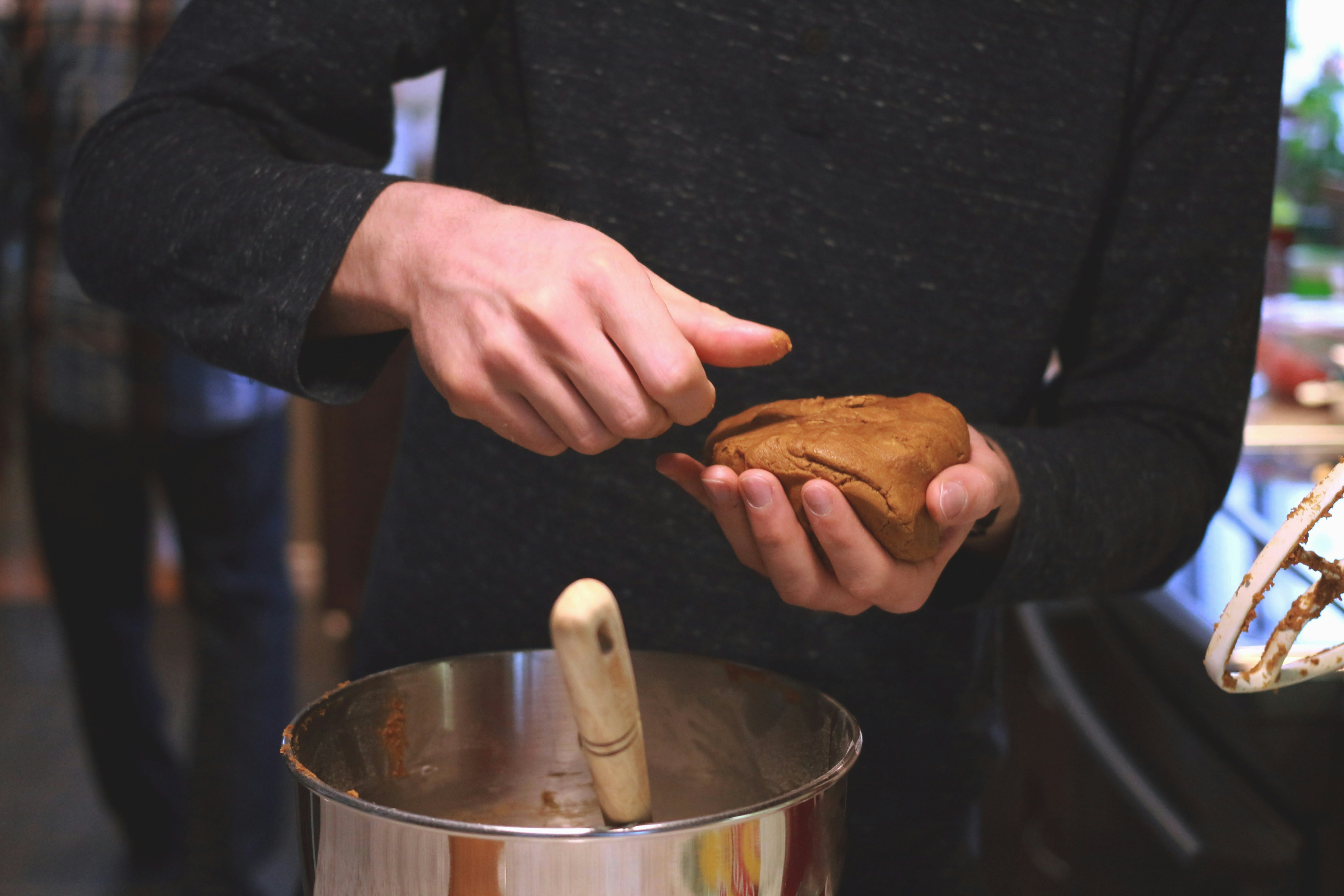
If you’re just dipping your toes into the world of spices, start with simple combos. Think two or three spices at max. Keep it tight. You don’t need a dozen jars out on the counter to make something taste incredible.
Some tried and true beginner blends:
Cumin + Paprika: earthy warmth with a touch of smoke
Garlic Powder + Oregano: solid for red sauces or roasted veggies
Turmeric + Black Pepper + Ginger: mellow heat and golden color that works well in rice or soups
As for how much start with 1/4 to 1/2 teaspoon of each spice per 2 servings. You can always add more. Pull back before you go heavy handed, especially with bold spices like cayenne or cloves. Taste early, taste often.
Think of seasoning like painting: it’s not just about color, it’s about layers. Add core spices near the start of cooking to let their flavors blend in. Midway through, touch up with another dash if things are falling flat. At the end, a light dusting or sprinkle of a bright spice (like chili flake or citrus zest) can snap everything into focus.
Bottom line: start simple, season in stages, and learn from each plate.
Boosting Health and Flavor Together
Adding flavor isn’t just about taste it’s an opportunity to level up what you’re putting in your body. Many common spices have real nutritional benefits. Turmeric is known for anti inflammatory properties, thanks to curcumin. Ginger helps with digestion. Cinnamon can support blood sugar regulation. These aren’t fringe ideas they’re backed by science and centuries of traditional cooking.
To cook with more intention, start thinking of your spice cabinet like a medicine drawer. Want comfort food that doesn’t bog you down? Try adding fennel or cumin. Need post workout meals that support recovery? Reach for turmeric and black pepper. You’re not just seasoning dinner, you’re building in benefits.
Prep smart, too. Toast whole spices lightly to wake up their oils and deepen flavor. Mix spice blends in advance to make weekday cooking frictionless. Batch prep things like garlic ginger paste or dry rubs, so you’re always a few steps ahead.
For more tactical ideas, check out these kitchen nutrition hacks.
Try This: Beginner Friendly Flavor Templates
If you’re just starting to play with spices in your cooking, these quick pairings will do most of the heavy lifting. Nothing fancy just flavor that works.
Roasted Veggie Bowl: Cumin + Smoked Paprika
Cut up whatever veg you’ve got carrots, cauliflower, squash, doesn’t matter. Toss it with olive oil, a pinch of salt, cumin, and smoked paprika. Roast until crispy on the edges. Earthy and warm, with a little depth thanks to the smoke.
Chicken Marinade: Lemon + Garlic + Rosemary
Juice of one lemon, a minced clove of garlic, and a dash of dried (or fresh) rosemary. Salt and pepper too. It’s bright, simple, and makes any cut of chicken breast, thigh, wing taste like you put in way more effort.
Stir Fry Base: Soy Sauce + Ginger + Chili Flakes
In a hot pan, toss your veggies, shrimp, tofu whatever with a splash of soy sauce, a few slices of fresh ginger, and chili flakes. Fast, salty, a bit of heat. Reliable, every time.
Sweet Treat: Cinnamon + Vanilla + Nutmeg
Basic, but gold. Works in oatmeal, baked goods, pancakes anywhere you want cozy vibes. Cinnamon gives warmth, vanilla smooths it out, nutmeg kicks in a little edge.
Start here. Tweak later. The key is using combos that balance and boost each other without trying too hard.
Leveling Up Your Meals, Easily
You don’t have to be a gourmet chef to cook with confidence. With just a few mindful habits, beginner cooks can improve their meals with every dish they make. Here’s how to elevate your everyday cooking without overcomplicating it.
Keep a Flavor Journal
A flavor journal might sound fancy, but it’s simply a notebook or digital note where you write down:
What spices or flavor combos you used in a dish
What worked well (and why you liked it)
What didn’t land and how you might adjust it
Over time, this personal record helps you understand your palate and develop a reliable set of go to pairings.
Taste as You Go
Your best cooking tool isn’t a gadget it’s your own taste buds. Get into the habit of tasting throughout the cooking process:
Taste after seasoning, and adjust gradually
Add spices in layers, not all at once
Use small spoonfuls to test flavor before serving
This allows you to tweak seasonings before it’s too late and teaches you how your ingredients evolve as they cook.
Learn and Tweak with Confidence
Each dish is a learning opportunity. Instead of chasing perfection, aim to improve one aspect each time:
Try a new herb with a familiar protein
Adjust the ratio of salty to sweet
Use acid to brighten up heavier meals
Confidence builds when experimentation turns into insight. Small changes lead to big wins over time.
Want More Simple Kitchen Wins?
Check out this free guide packed with practical, health conscious flavor tips: kitchen nutrition hacks

 Ask Joshua Poulsenation how they got into cooking techniques and tips and you'll probably get a longer answer than you expected. The short version: Joshua started doing it, got genuinely hooked, and at some point realized they had accumulated enough hard-won knowledge that it would be a waste not to share it. So they started writing.
What makes Joshua worth reading is that they skips the obvious stuff. Nobody needs another surface-level take on Cooking Techniques and Tips, Delicious Recipe Ideas, Healthy Eating Tips. What readers actually want is the nuance — the part that only becomes clear after you've made a few mistakes and figured out why. That's the territory Joshua operates in. The writing is direct, occasionally blunt, and always built around what's actually true rather than what sounds good in an article. They has little patience for filler, which means they's pieces tend to be denser with real information than the average post on the same subject.
Joshua doesn't write to impress anyone. They writes because they has things to say that they genuinely thinks people should hear. That motivation — basic as it sounds — produces something noticeably different from content written for clicks or word count. Readers pick up on it. The comments on Joshua's work tend to reflect that.
Ask Joshua Poulsenation how they got into cooking techniques and tips and you'll probably get a longer answer than you expected. The short version: Joshua started doing it, got genuinely hooked, and at some point realized they had accumulated enough hard-won knowledge that it would be a waste not to share it. So they started writing.
What makes Joshua worth reading is that they skips the obvious stuff. Nobody needs another surface-level take on Cooking Techniques and Tips, Delicious Recipe Ideas, Healthy Eating Tips. What readers actually want is the nuance — the part that only becomes clear after you've made a few mistakes and figured out why. That's the territory Joshua operates in. The writing is direct, occasionally blunt, and always built around what's actually true rather than what sounds good in an article. They has little patience for filler, which means they's pieces tend to be denser with real information than the average post on the same subject.
Joshua doesn't write to impress anyone. They writes because they has things to say that they genuinely thinks people should hear. That motivation — basic as it sounds — produces something noticeably different from content written for clicks or word count. Readers pick up on it. The comments on Joshua's work tend to reflect that.