Why Meal Prep Matters for Families on a Budget
Meal prep isn’t just a Pinterest trend it’s a lifeline for families juggling tight budgets and tight schedules. First, it slashes food waste. No more wilted spinach or forgotten leftovers pushed to the back of the fridge. When you prep meals, you buy with purpose, use what you have, and stretch ingredients instead of throwing them away. That’s money staying in your pocket.
Weeknights also get easier. You walk in the door knowing dinner’s halfway done (or fully ready). Instead of scrambling or ordering takeout, you reheat, assemble, and breathe. That alone can deflate the stress balloon of weekday living.
And here’s the real win: kids eat better without the nagging. When meals are prepped in advance, there’s more balance on the plate. Whole grains. Real protein. Actual vegetables. Plus, when kids help out a little stirring, stacking, choosing toppings they’re more likely to eat it. No drama. Just dinner.
Meal prep won’t solve everything, but it clears a lot of noise from the daily routine. And for families trying to do more with less, that’s a game changer.
Plan Once, Eat All Week
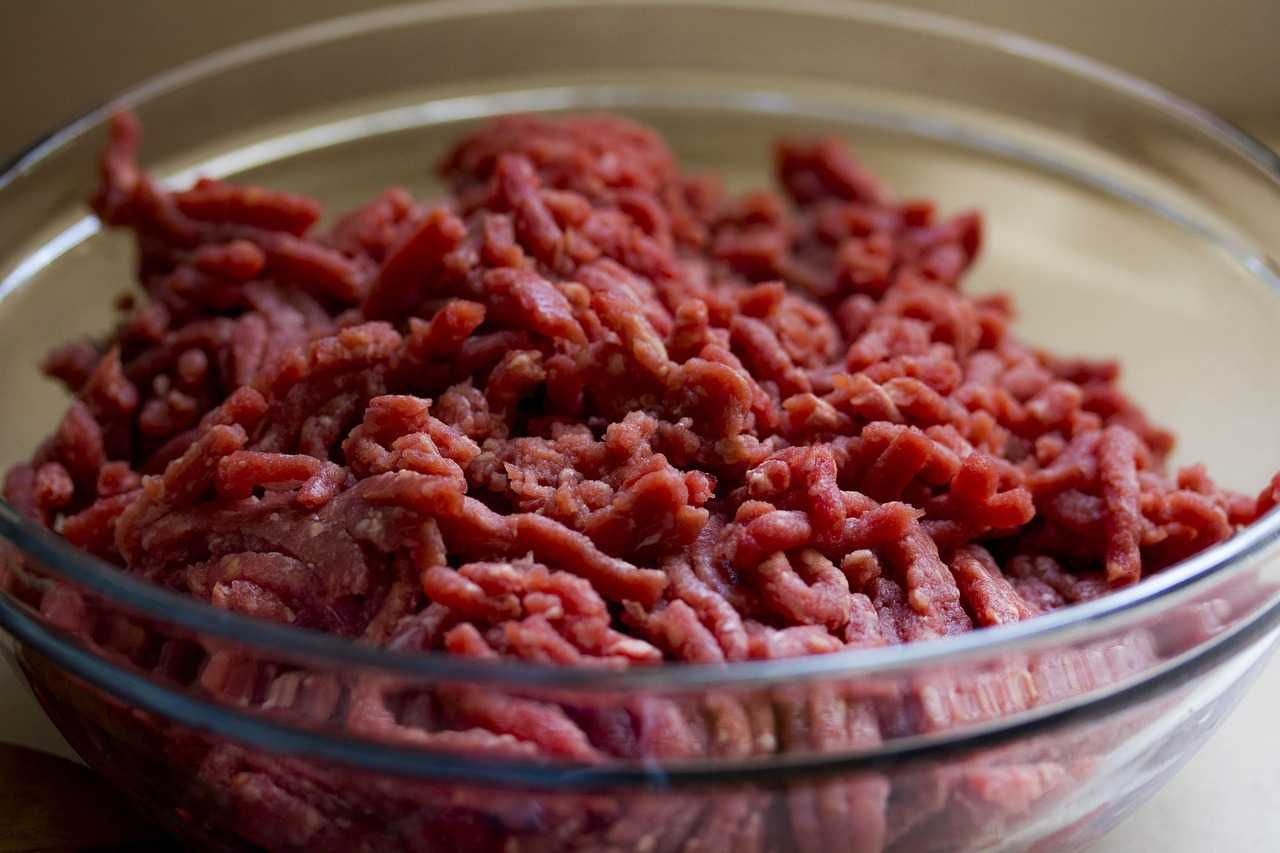
One base, five days. That’s the move if you’re busy and want to keep food stress low without blowing your budget. Choose a versatile starting point something like roasted chicken, seasoned lentils, or even ground turkey. Prep a decent batch on Sunday, then stretch it over different meals. No extra cooking marathons, just smart reuse.
Here’s how it might look with roasted chicken:
Day 1: Chicken stir fry with frozen veggies and rice. Fast, colorful, done.
Day 2: Chicken tacos with slaw and salsa. Make it fun and hands on.
Day 3: Chicken and veggie soup using leftover scraps, some broth, and a handful of noodles or potatoes.
Day 4: BBQ chicken sandwiches. Add a quick coleslaw on top.
Day 5: Chicken fried rice to clean out the fridge and finish off the week.
It’s flexible. Swap ingredients based on your family’s tastes. The point is cook once, eat smart, and skip the exhaustion.
Smart Grocery Shopping Tips
Stretching your grocery budget starts before you hit the store. Stick to seasonal produce it’s fresher, cheaper, and tastes better. Think root veggies in winter and berries in summer. Pair those with bulk staples like rice, beans, and oats. They’re affordable, filling, and endlessly versatile for meals.
When it comes to sales, flexibility is your friend. Build a rough meal plan, but leave room to adapt based on what’s marked down. If ground turkey’s on sale instead of chicken, pivot. If sweet potatoes are half price, grab extra.
Lastly, cook smarter, not harder. Double batch your favorite soups, stews, or casseroles and freeze half for a no effort dinner later. Future you will appreciate the backup plan on a hectic weekday evening. No waste, no panic ordering takeout.
Kid Approved, Budget Friendly Meal Ideas
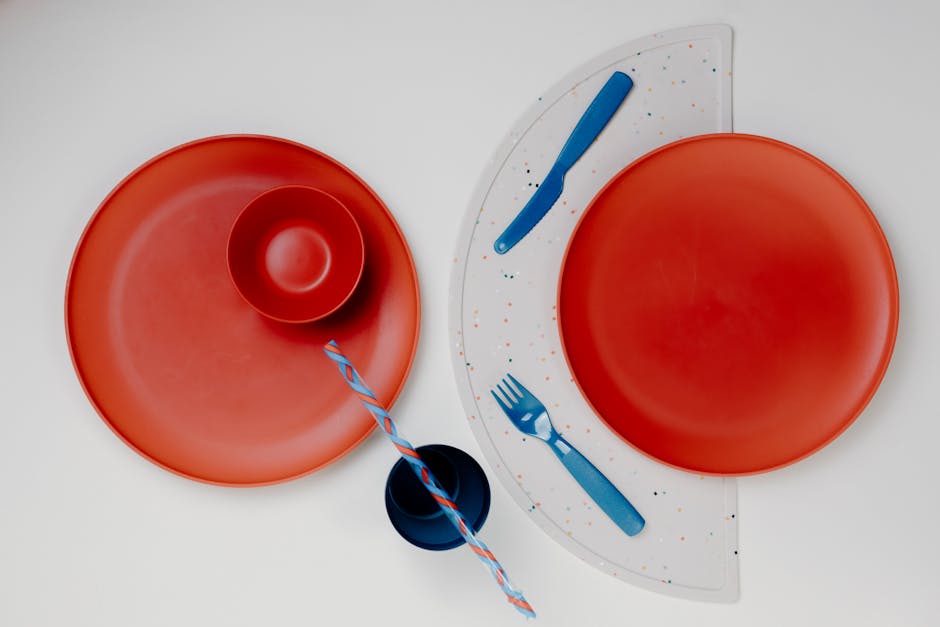
Feeding a family doesn’t have to break the bank or your sanity. These meals keep it simple, affordable, and genuinely enjoyable for kids and adults alike.
Start with DIY burrito bowls. Set out rice, beans, shredded cheese, salsa, chopped veggies, and whatever else you’ve got. Lay it all out family style and let everyone build their own. It’s no cook, quick, and easy to repurpose for lunch the next day.
Sheet pan dinners are another weeknight lifesaver. Think seasoned chicken thighs, chopped potatoes, and green beans roasted all together. One pan. One oven. Minimal cleanup. Bonus: the hands off time can be used to reset for the evening.
And don’t sleep on the classic pasta bake. Toss some cooked pasta with sauce, chopped or grated veggies, and a sprinkle of cheese. Bake until bubbly. It’s comfort food that hides spinach, mushrooms, or zucchini without a protest. Make a double batch and freeze one for later. Tastes even better next time.
These meals punch above their weight affordable, fast, and family approved.
Fast & Healthy Snack Options
Snacks can quietly drain a budget if you’re leaning on individually wrapped, convenience store picks. The fix? Prep your own grab and go options in bulk. Think low effort, high payoff: a couple of hours on Sunday chopping, portioning, and bagging will save both time and money all week.
The key is balance mix carbs for energy, protein to fill you up, and fiber to keep things moving. A few go to combos: hard boiled eggs with apple slices, peanut butter on whole grain crackers, roasted chickpeas, or DIY trail mix with nuts, dried fruit, and a handful of dark chocolate chips.
Keep small containers or resealable bags in a designated snack drawer or fridge bin. That way, hungry hands (big and small) can grab something smart in seconds. Need inspiration? Check out these snacks for families.
Pro Tips That Save Time and Stress
Meal prep doesn’t need to be fancy it just needs to work. Start by carving out an hour on Sunday to batch chop your veggies. Slice onions, dice peppers, shred carrots and store them in airtight containers. You’ll thank yourself on Tuesday when dinner’s already halfway done.
Next, get friendly with your slow cooker or Instant Pot. These appliances aren’t about bells and whistles they’re about walking away. Toss in your ingredients in the morning, walk out the door, and come home to a meal that’s ready. No flames, no fuss.
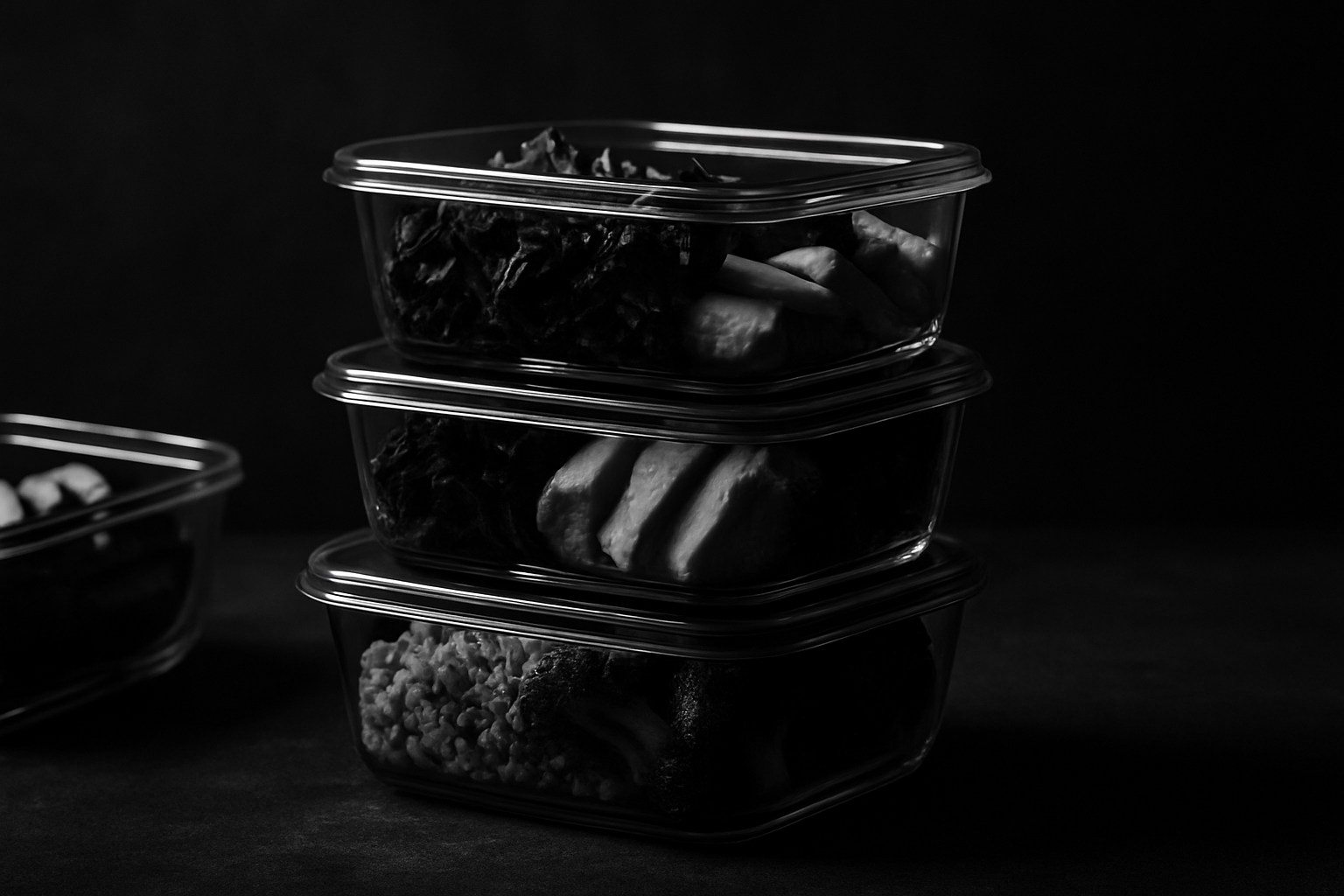
And here’s a simple fix that too many overlook: clear containers. When you can see what you’ve made, you’re far less likely to let it rot in the back of the fridge. Keep your meals visible, and you’re more likely to actually eat them. No waste fridge = extra dollars in your pocket.
Make It a Family Effort
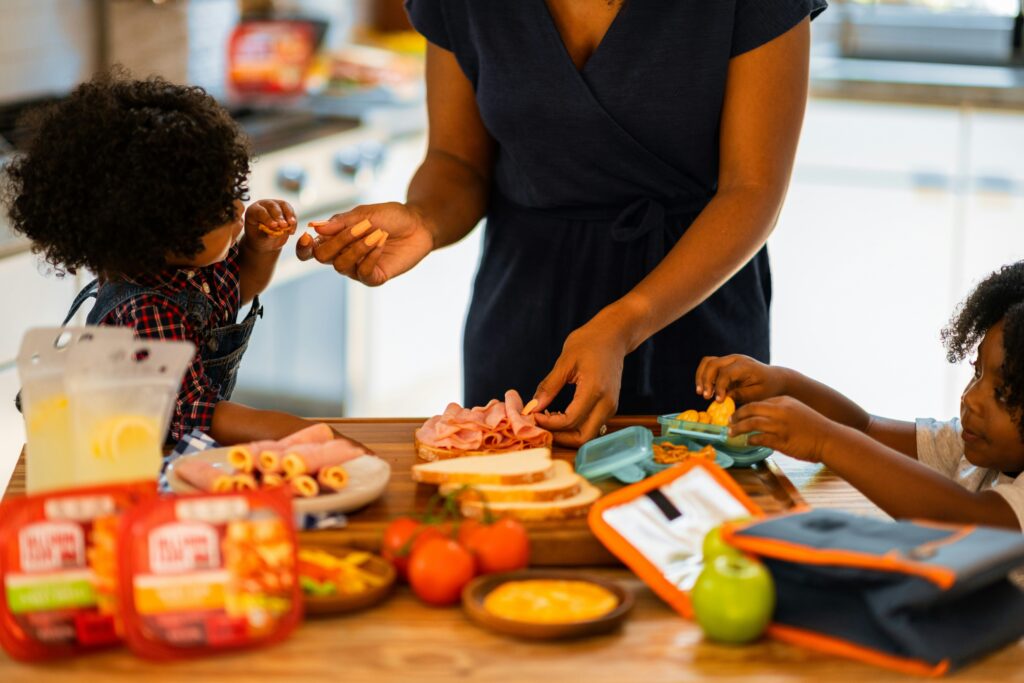
Getting the whole family involved in meal prep doesn’t just lighten the load it also builds healthy habits and makes kids more invested in what ends up on their plate. When children have a say (and a hand) in what’s being cooked, they’re more likely to try new foods and enjoy mealtime.
Let Kids Help Choose Meals
Start with a simple weekly meal planning session
Offer two or three meal options and let kids vote or pick one night’s dinner
Rotate responsibility so each child gets a chance to contribute
Assign Prep Tasks by Age
Everyone can pitch in even toddlers can help with safe, easy tasks. Age appropriate prep assignments empower kids and keep things running smoothly in the kitchen.
Ages 3 5: Washing produce, tearing lettuce, stirring
Ages 6 8: Measuring ingredients, assembling wraps or sandwiches
Ages 9+: Chopping (with supervision), cooking simple dishes, reading recipes
Turn Prep Time Into Bonding Time
Meal prep doesn’t have to feel like another box to check. With the right approach, it becomes an opportunity to connect.
Play music in the background or listen to an audiobook together
Share stories from the day while you prep
Remind everyone it’s not about perfection it’s about participation
When meal prep becomes a shared experience, it’s easier, more meaningful, and a lot more fun.
Keep Snack Time Simple and Smart
Snacks can make or break a family’s grocery budget and they often derail healthy eating, too. One fix? Set up a permanent snack bin in both the fridge and pantry. Keep it at kid eye level, stocked with pre portioned, grab and go options. This keeps things organized and helps manage portion control without turning into the snack police.
To avoid snack fatigue (and whining), rotate what’s in the bin each week. Think apple slices and nut butter one week, yogurt tubes and trail mix the next. Stick to whole food basics with minimal packaging to keep costs down and options healthy.
Need a little help getting started? We found some solid ideas here: snacks for families.

 Carol Manginorez is the kind of writer who genuinely cannot publish something without checking it twice. Maybe three times. They came to meal prep ideas through years of hands-on work rather than theory, which means the things they writes about — Meal Prep Ideas, Food Trends and Culture, Healthy Eating Tips, among other areas — are things they has actually tested, questioned, and revised opinions on more than once.
That shows in the work. Carol's pieces tend to go a level deeper than most. Not in a way that becomes unreadable, but in a way that makes you realize you'd been missing something important. They has a habit of finding the detail that everybody else glosses over and making it the center of the story — which sounds simple, but takes a rare combination of curiosity and patience to pull off consistently. The writing never feels rushed. It feels like someone who sat with the subject long enough to actually understand it.
Outside of specific topics, what Carol cares about most is whether the reader walks away with something useful. Not impressed. Not entertained. Useful. That's a harder bar to clear than it sounds, and they clears it more often than not — which is why readers tend to remember Carol's articles long after they've forgotten the headline.
Carol Manginorez is the kind of writer who genuinely cannot publish something without checking it twice. Maybe three times. They came to meal prep ideas through years of hands-on work rather than theory, which means the things they writes about — Meal Prep Ideas, Food Trends and Culture, Healthy Eating Tips, among other areas — are things they has actually tested, questioned, and revised opinions on more than once.
That shows in the work. Carol's pieces tend to go a level deeper than most. Not in a way that becomes unreadable, but in a way that makes you realize you'd been missing something important. They has a habit of finding the detail that everybody else glosses over and making it the center of the story — which sounds simple, but takes a rare combination of curiosity and patience to pull off consistently. The writing never feels rushed. It feels like someone who sat with the subject long enough to actually understand it.
Outside of specific topics, what Carol cares about most is whether the reader walks away with something useful. Not impressed. Not entertained. Useful. That's a harder bar to clear than it sounds, and they clears it more often than not — which is why readers tend to remember Carol's articles long after they've forgotten the headline.