

Know Your Macros: The Basics
Macronutrients protein, carbohydrates, and fats are the core fuel sources your body runs on. They’re not trends or gimmicks. They’re essential.
Protein rebuilds. It repairs tissue, keeps muscles firing, and supports immune function. Especially in 2026, where science emphasizes protein’s role in metabolic health and longevity, getting enough isn’t optional. Whole food sources: eggs, fish, lean meats, legumes, tofu.
Carbs fuel. They’re your body’s preferred energy source, especially for your brain and during workouts. But not all carbs hit the same. Whole grains, fruits, and root vegetables offer fiber, slow burning energy, and key vitamins that ultra processed carbs cut out.
Fats stabilize. Good fats support hormones, brain function, and keep you full longer. But balance matters. Whole food fats like avocados, olive oil, and walnuts are the go tos. Trans fats and mystery oils? Pass.
In a whole food diet, macros show up naturally. No need to micromanage they’re already built into nature’s packaging when you eat real food. The key is variety and consistency. When your plate pulls from all corners of the natural food world, your macros usually fall right in line.
Step 1: Identify Your Daily Needs
Balancing your macros starts with knowing exactly how much of each nutrient your body actually needs. These needs are highly personal, depending on your age, activity level, and health goals.
Start with Your Baseline
To estimate your ideal macro ratio, begin by calculating your Total Daily Energy Expenditure (TDEE). This gives you a ballpark number for how many calories you burn daily, which informs your macro breakdown.
Key factors that influence your macro ratio:
Age: Your metabolism naturally shifts with age
Activity Level: Sedentary vs. moderately active vs. highly active
Goals: Fat loss, weight maintenance, or muscle gain
General Macro Guidelines
Once you’ve calculated your calories, you can assign macro percentages based on your goals. While exact numbers will vary, the following ranges provide a solid foundation:
Macro Ranges by Goal:
For fat loss:
Protein: 30 35%
Carbs: 25 40%
Fats: 25 30%
For maintenance:
Protein: 25 30%
Carbs: 40 50%
Fats: 20 30%
For muscle gain:
Protein: 25 30%
Carbs: 45 55%
Fats: 15 25%
These ratios can be adjusted as you track your progress and assess how your body responds.
Track Using Whole Food Friendly Tools
Tracking your macros doesn’t have to mean obsessing over every gram. With the right tools, it becomes part of your routine.
Recommended tools and apps for macro tracking:
Cronometer: Great for detailed nutrient breakdown using whole foods
MyFitnessPal: Easy to use and highly customizable
MacroFactor: Designed for long term tracking with adaptive goals
When choosing apps, look for databases with whole, unprocessed foods to help maintain your clean eating goals.
Tip: Pre log your meals in the morning or the day before to make macro balancing much easier with whole foods.
Step 2: Build a Plate with Balance
You don’t need a food scale or an app to eat balanced. You just need to know your go to whole food options and how to put them together in a way that hits your macros consistently. Keep your pantry and fridge stocked with these macro friendly staples:
Proteins: legumes (think lentils, black beans, chickpeas), lean poultry, eggs, fish, and tofu. These are clean sources that fuel recovery, muscle repair, and satiety.
Carbs: whole grains like oats, brown rice, and quinoa pair great with high fiber root veggies like sweet potatoes. Low glycemic, high nutrient, and they actually fill you up.
Fats: avocado, olive oil, nuts, and seeds. These deliver slow burning energy, flavor, and key micronutrients without overcomplicating your meal plan.
As for building meals? Think in rough thirds. A scoop of carbs, a portion of protein about the size of your palm, and a fat source roughly the size of your thumb. Toss in leafy greens or non starchy veggies for volume. You’re not counting calories you’re stacking fuel in a way that supports your goals without the mental drag.
Simplify it further with batch cooking. Roast a tray of mixed veggies and sweet potatoes, cook up grains in advance, and keep proteins ready to grab. That way you can mix and match without guessing.
Balanced eating doesn’t have to be clinical. Get the ratios close, stay consistent, and adjust based on how you feel.
Step 3: Portioning Without the Scale
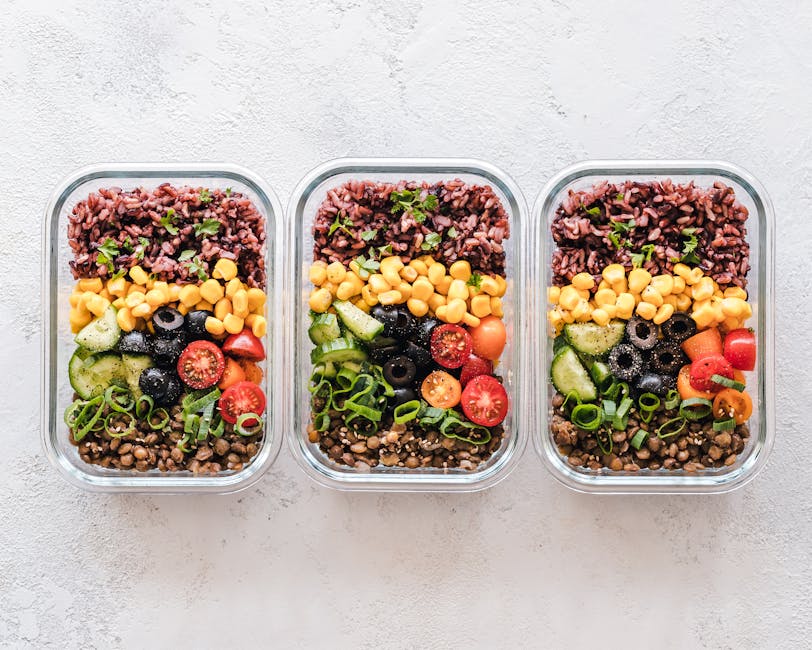
Ditch the Scale, Not the Strategy
Measuring every bite with a kitchen scale isn’t realistic for most people. Fortunately, hand based and visual portioning methods offer a simple and sustainable way to manage your macros without the math or stress.
Use Your Hands as a Guide
The size of your palm or fist can help you estimate portions without tools. This is especially useful when eating out or on the go.
Protein: One palm sized serving (about 3 4 oz) per meal
Carbohydrates: One cupped handful (about ½ 1 cup cooked)
Fats: One thumb sized amount (roughly one tablespoon)
Vegetables: One or two fist sized portions per meal
These cues aren’t perfect, but they create consistency and awareness without obsessively tracking every gram.
Why It Still Matters with Whole Foods
Even whole, nutrient dense foods can tip your macro balance if you’re not mindful. For instance:
Nuts and seeds are packed with healthy fats but easy to overeat
Oats and brown rice are clean carbs, but portions can add up fast
Olive oil is heart healthy but a few extra tablespoons can skew your fat intake
Clean eating doesn’t guarantee balanced eating. Portion awareness ensures your meals support your goals.
Systems That Help You Stay Consistent
Portion control doesn’t have to be rigid instead, build habits that make smart choices almost automatic:
Prep in portions: Cook and store meals with portion sizes already set
Use visual templates: Keep a meal building framework on your fridge or phone
Practice flexible structure: Stick to your macro goals without obsessing over exactness
For more practical tools and examples, check out Portion Control Made Easy: Practical Strategies That Work.
Small adjustments in awareness can lead to big results over time no scale required.
Step 4: Common Pitfalls to Watch
Eating whole foods is solid. But it doesn’t automatically mean you’re getting the right balance. Here are three common mistakes that creep in especially when you’re not tracking closely.
First: overdoing healthy fats and carbs. Avocado, nuts, quinoa, sweet potatoes all great. But stack them up too high on the same plate and your so called clean meal quietly turns into a calorie bomb. Whole foods aren’t exempt from moderation.
Second: not enough protein. This trips up a lot of people, especially those who work out regularly. You can eat clean all day, but if your protein’s too low, recovery, muscle repair, and even satiety drop off. And it’s easy to assume your oats and almond butter breakfast covers you it doesn’t.
Lastly, clean doesn’t always mean balanced. You can eat organic kale and almond flour muffins all day, and still miss your macro targets by a mile. Health food halos are real, and they can hide gaps in your nutrition strategy.
Smart macro balance is intentional. Clean is good, but structure is better.
Step 5: Adjust As You Go
Your body talks. The trick is learning how to listen. If you’re dragging through workouts, crashing mid afternoon, or constantly hungry despite eating well, your macro balance might be off. Energy dips, bad sleep, poor recovery, mood swings these are signals, not just annoyances.
Start simple. Track how meals make you feel for a few days not just your calories, but your focus, sleep quality, and appetite. Are you full but foggy? Sharp but tired? Recovering slow after a workout? These are all clues. If your energy is stable and you feel strong, your balance is probably close to right.
Tweak in small steps. If you’re under recovering, consider bumping protein slightly. If you’re constantly dragging, test increasing carbs especially around active periods. Feeling a little too fluffy? Try trimming overall fat intake while keeping nutrient density up. No need to flip your whole plan adjust one macro at a time, see what shifts, then reassess.
Life doesn’t stand still and neither should your food. Seasons change, travel happens, schedules shift. Whole food diets make it easier to flex. In summer, swap dense carbs for lighter produce. In colder months, lean into heartier, warm meals. The goal is long term sustainability, not rigid numbers. Keep it real, stay aware, and remember there’s no perfect macro ratio just the one that works for where you’re at today.

 Carol Manginorez is the kind of writer who genuinely cannot publish something without checking it twice. Maybe three times. They came to meal prep ideas through years of hands-on work rather than theory, which means the things they writes about — Meal Prep Ideas, Food Trends and Culture, Healthy Eating Tips, among other areas — are things they has actually tested, questioned, and revised opinions on more than once.
That shows in the work. Carol's pieces tend to go a level deeper than most. Not in a way that becomes unreadable, but in a way that makes you realize you'd been missing something important. They has a habit of finding the detail that everybody else glosses over and making it the center of the story — which sounds simple, but takes a rare combination of curiosity and patience to pull off consistently. The writing never feels rushed. It feels like someone who sat with the subject long enough to actually understand it.
Outside of specific topics, what Carol cares about most is whether the reader walks away with something useful. Not impressed. Not entertained. Useful. That's a harder bar to clear than it sounds, and they clears it more often than not — which is why readers tend to remember Carol's articles long after they've forgotten the headline.
Carol Manginorez is the kind of writer who genuinely cannot publish something without checking it twice. Maybe three times. They came to meal prep ideas through years of hands-on work rather than theory, which means the things they writes about — Meal Prep Ideas, Food Trends and Culture, Healthy Eating Tips, among other areas — are things they has actually tested, questioned, and revised opinions on more than once.
That shows in the work. Carol's pieces tend to go a level deeper than most. Not in a way that becomes unreadable, but in a way that makes you realize you'd been missing something important. They has a habit of finding the detail that everybody else glosses over and making it the center of the story — which sounds simple, but takes a rare combination of curiosity and patience to pull off consistently. The writing never feels rushed. It feels like someone who sat with the subject long enough to actually understand it.
Outside of specific topics, what Carol cares about most is whether the reader walks away with something useful. Not impressed. Not entertained. Useful. That's a harder bar to clear than it sounds, and they clears it more often than not — which is why readers tend to remember Carol's articles long after they've forgotten the headline.