Why Portion Control Still Matters in 2026
Most diets don’t fail because of the type of food people eat they fall apart because of how much they eat. Portion size is the silent killer of progress. It’s easy to overeat when restaurant meals come served on platters and packaged foods sneak in extra calories with oversized “single servings.” This is portion distortion, and it’s become the norm.
Here’s the hard truth: you can eat clean and still gain weight if your portions are off. That’s because our bodies respond not just to quality, but also quantity. Oversized meals force the body to work harder, spike blood sugar, and store excess calories as fat. In contrast, balanced portions support a steady metabolism, better digestion, fewer crashes, and lasting energy throughout the day.
Getting portions right isn’t about restriction it’s about realignment. Once you tune into proper serving sizes, everything from snacking to full meals starts to feel more manageable. And over time, your stomach, hunger cues, and energy levels recalibrate, helping you build habits that actually stick. Control the portion, and the rest follows.
Everyday Portion Hacks That Actually Work
Let’s get real. Measuring food with a scale every time you eat isn’t happening and it doesn’t need to. Simple, low effort tricks can make portion control part of your routine without overthinking it.
First, swap out your dishes. Using smaller plates and bowls isn’t just a Pinterest idea it actually works. Your brain sees a fuller plate, you feel more satisfied, and you eat less without trying. This one’s old school but reliable.
Next, learn to eyeball it. A piece of protein should be about the size of your palm. Carbs? Think a cupped hand. Fats like butter or oil? Go with a thumb’s worth. It’s not perfect science, but it’s practical and way better than winging it.
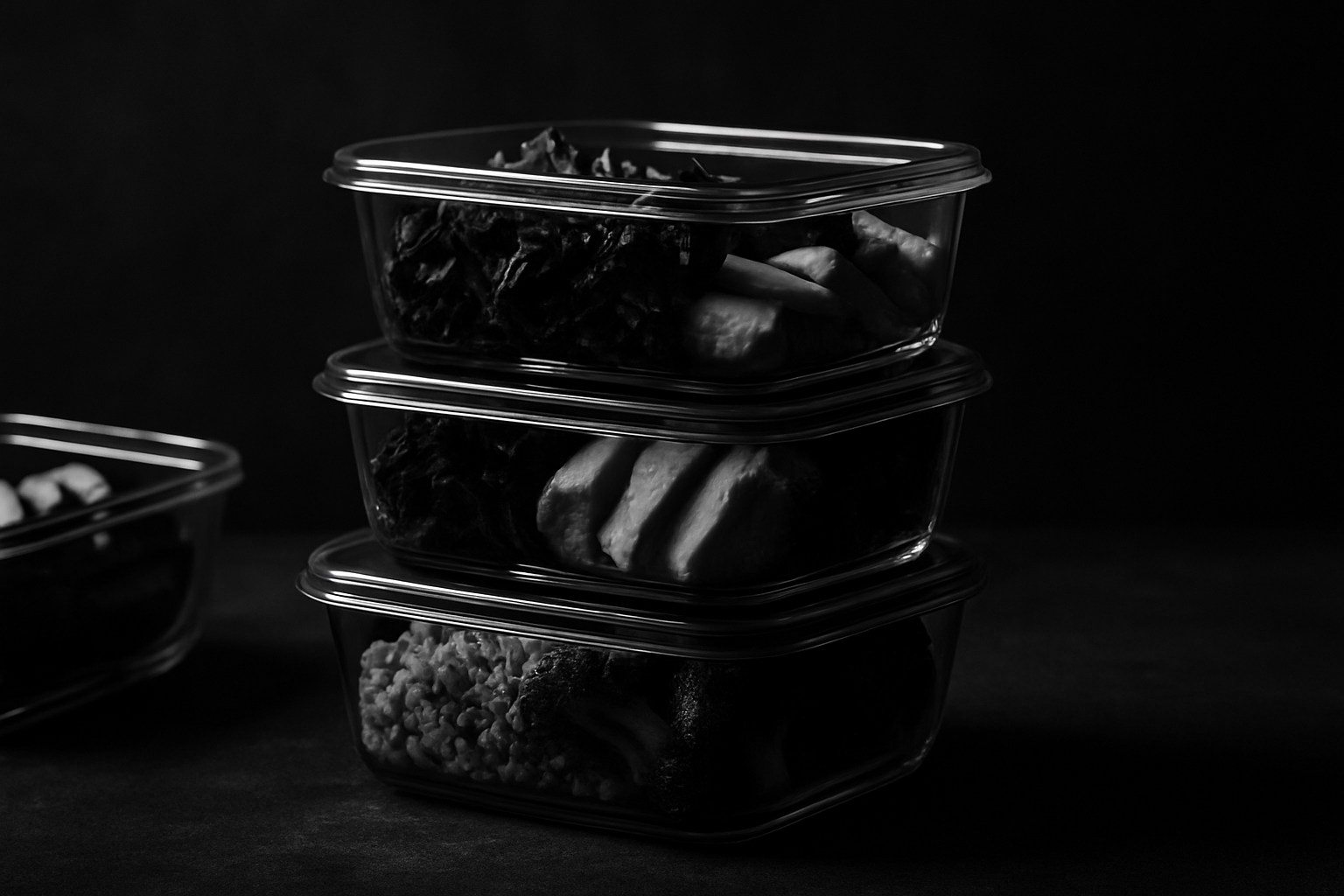
Snacks are another sneak attack. If you eat straight from the bag, you will overeat. Pre portion ahead of time. Grab a few containers or snack bags and decide your serving size before your hunger does it for you.
Pace matters too. If you eat like you haven’t seen food in three days, your body won’t have time to signal that it’s full. Slow down. Set your fork down between bites. Let your stomach catch up.
And lastly, drink some water. The body often confuses thirst with hunger. Keeping water nearby is a simple move that stops you from reaching for food when all you really need is hydration.
These hacks aren’t flashy, but they work. They’re small shifts with big payoffs and they fit into real life without a fuss.
Make Labels Work for You
Those numbers on the back of your granola bar? They’re not always telling the full story. Serving sizes on packaged foods are often set smaller than what people actually eat. That “200 calorie” frozen meal? That’s per serving and there might be 2.5 servings in the box. You can eat the whole thing and be up over 500 calories without noticing.
Food labels play it straight technically, but they don’t always match reality. Many so called healthy snacks list nutritional data for two tablespoons or 15 chips, banking on you not checking the fine print. And packaging language doesn’t help. “Low fat,” “light,” or “organic” doesn’t mean low calorie or realistically portioned.
Watch out for these tricks:
Packages with multiple servings but designed to look single serve
Small serving sizes to make sugar or sodium amounts seem low
Health buzzwords to distract from calorie density
The easiest fix: flip the box, read the numbers per actual amount you’ll eat, and do the math. Or better yet, check out this tactical read: How to Read Food Labels to Make Healthier Choices. It’ll give you a no fluff strategy for decoding label lingo where it counts at the grocery shelf.
Tech Tools That Can Help
Technology is playing a bigger role than ever in making portion control easier and more accurate. From smart kitchen tools to AI driven apps, here are the top tech trends helping people better manage what (and how much) they eat in 2026.
Visual Portion Tracking Apps
Gone are the days of guessing serving sizes. Today’s apps use built in photo recognition and smart logs that let you:
Take photos of your meals to estimate portion sizes
Match food items with a visual guide for comparison
Monitor calorie intake with better accuracy
These tools are ideal for visual learners and anyone looking to gradually build healthy portion habits without obsessive counting.
Smart Scales and Portion Trackers
Smart scales have evolved beyond basic weight tracking many now connect with health apps to provide real time portion feedback. Features include:
Automatic detection of food weight and category
Alerts when portions exceed your pre set goals
Integrated meal logging that syncs with fitness trackers
Portion tracking tools are now smaller, faster, and more intuitive making them kitchen staples for the health conscious.
AI Based Food Journaling
AI driven food journaling has become a preferred alternative to traditional calorie counting. These tools use machine learning to understand your eating habits and offer personalized recommendations. Benefits include:
Smart reminders based on your eating patterns
Automated portion logging using past entry trends
Real time analysis of portion sizes, nutrients, and timing
As artificial intelligence becomes smarter and more personalized, these journals act more like coaches helping users stay consistent while keeping the process low effort.
The Bottom Line
Tech isn’t replacing your ability to choose healthy portions it’s enhancing it. Whether you’re a visual tracker, data lover, or just starting out, the right tool can make portion control faster, simpler, and more effective.
Realistic Strategies for Dining Out
Eating out doesn’t have to derail your goals. It just takes a bit of awareness going in. Start by asking to split an entrée or get a to go box as soon as it hits the table. That way, you’re setting boundaries before the fork even lifts.
As you scan the menu, drift toward lean proteins grilled chicken, baked fish and look for fiber rich sides like steamed veggies or lentils instead of fries or creamy pasta. These swaps keep things balanced without ruining the fun.
Some restaurants serve meals that could feed two or three people. If that’s the case, don’t sleep on the kids’ menu. It’s more manageable in both size and cost. Just check that the smaller portions don’t come heavily fried or sugared up.
Last thing: you’re not obligated to finish the plate. Full stop. Leftovers are fine. Tossing food you don’t need is better than eating past fullness. Dining out is about connection and enjoyment not submission to portion sizes built for giants.
Long Term Wins from Smaller Servings
Portion control isn’t a flashy trend it’s a practical habit with real payoff. Start dialing in your portions, and the first thing you’ll notice is less bloating and more steady energy. Your body doesn’t have to fight through large, heavy meals. Instead, it runs smoother throughout the day.
It also becomes easier to manage your weight, but without the mental grind of strict dieting. When you stop overeating by default, your maintenance settles into a rhythm. No calculator apps. No crash plans. Just consistency.
Smaller, balanced servings help your body relearn its natural hunger and fullness cues signals that get drowned out by oversized meals and rushed eating. Over time, you stop eating just because it’s in front of you. You eat because you need to, and you stop because you’ve had enough. That shift matters.
Most importantly, portion awareness builds a healthier relationship with food. You’re not avoiding your favorite meals you’re finally experiencing them with control and clarity. Less guilt. Less guesswork. More trust in your own signals.
Final Takeaway
Modern life makes it easy to overdo it huge dinner plates, bottomless drinks, snacks that don’t stop. But here’s the truth: portion control isn’t about self punishment. It’s about leverage. Quiet, underrated, and wildly effective.
You don’t need extreme diets or a spreadsheet to fix this. You need a fork, a little awareness, and the decision to start. Half a portion today becomes your new normal next month. Adjusting your intake gradually trains your body and your brain.
Control what you can. Tune out the noise. Keep it simple, keep it steady. Let your plate reflect your priorities not someone else’s serving suggestion.

 Ask Joshua Poulsenation how they got into cooking techniques and tips and you'll probably get a longer answer than you expected. The short version: Joshua started doing it, got genuinely hooked, and at some point realized they had accumulated enough hard-won knowledge that it would be a waste not to share it. So they started writing.
What makes Joshua worth reading is that they skips the obvious stuff. Nobody needs another surface-level take on Cooking Techniques and Tips, Delicious Recipe Ideas, Healthy Eating Tips. What readers actually want is the nuance — the part that only becomes clear after you've made a few mistakes and figured out why. That's the territory Joshua operates in. The writing is direct, occasionally blunt, and always built around what's actually true rather than what sounds good in an article. They has little patience for filler, which means they's pieces tend to be denser with real information than the average post on the same subject.
Joshua doesn't write to impress anyone. They writes because they has things to say that they genuinely thinks people should hear. That motivation — basic as it sounds — produces something noticeably different from content written for clicks or word count. Readers pick up on it. The comments on Joshua's work tend to reflect that.
Ask Joshua Poulsenation how they got into cooking techniques and tips and you'll probably get a longer answer than you expected. The short version: Joshua started doing it, got genuinely hooked, and at some point realized they had accumulated enough hard-won knowledge that it would be a waste not to share it. So they started writing.
What makes Joshua worth reading is that they skips the obvious stuff. Nobody needs another surface-level take on Cooking Techniques and Tips, Delicious Recipe Ideas, Healthy Eating Tips. What readers actually want is the nuance — the part that only becomes clear after you've made a few mistakes and figured out why. That's the territory Joshua operates in. The writing is direct, occasionally blunt, and always built around what's actually true rather than what sounds good in an article. They has little patience for filler, which means they's pieces tend to be denser with real information than the average post on the same subject.
Joshua doesn't write to impress anyone. They writes because they has things to say that they genuinely thinks people should hear. That motivation — basic as it sounds — produces something noticeably different from content written for clicks or word count. Readers pick up on it. The comments on Joshua's work tend to reflect that.