Why Meal Prep Saves Time (and Sanity)
Weeknight chaos is the default for most busy professionals. You get home late, you’re hungry, and the fridge is full of random ingredients with zero plan. That moment tired, unfocused, maybe scrolling a delivery app is where time and money start slipping away. Meal prep solves that.
Prepping your meals once a week takes the guesswork off your plate (literally). You’re no longer deciding what to eat every night you’re executing a plan. This frees up mental bandwidth and cuts way back on those impulse food buys that eat through your wallet.
Here’s the core shift: treat meal prep like scheduling meetings or workouts. It’s not just about food, it’s about locking in systems that save you on the back end. Spend two hours on Sunday to avoid stressing five nights in a row. Prep once, eat all week. It really is that simple and that powerful.
The Setup: Your Plan in 30 Minutes
Start by looking at your week like a strategist. Got back to back meetings on Tuesday? A late shift on Thursday? Knowing where the chaos hits helps you plan meals that meet you where you are fast, ready, zero mental bandwidth required.
Now pick your core proteins. Two to three is usually enough. Think grilled chicken, tofu, roasted salmon, ground turkey anything that reheats without breaking down. These are your anchors.
Move on to 3 4 sides that you can mix and match. Roasted veg, seasoned rice, sweet potatoes, sautéed greens, quinoa, beans. Good sides should do double duty, like roasted carrots subbing into a grain bowl or pairing with different dressings across the week.
Batch cook meals that won’t turn on you by Wednesday. Soups, stir fries, casseroles, and grain bowls are the backbone of a sustainable prep routine. When in doubt, ask: Will it survive the microwave with dignity? If not, skip it.
Build your grocery list around overlap ingredients that appear in multiple meals and shelf life. The goal is to buy less, waste nothing, and make your fridge work smarter. Think of prep time as a short term investment with a huge time and energy return.
Set a timer for 30 minutes. Plan it, write the list, then move on. Your future weekday self will thank you.
Smart Storage = Fresh All Week
Meal prep doesn’t work if your food goes soggy or spoils by Wednesday. Good storage is half the battle and your containers matter more than you’d think.
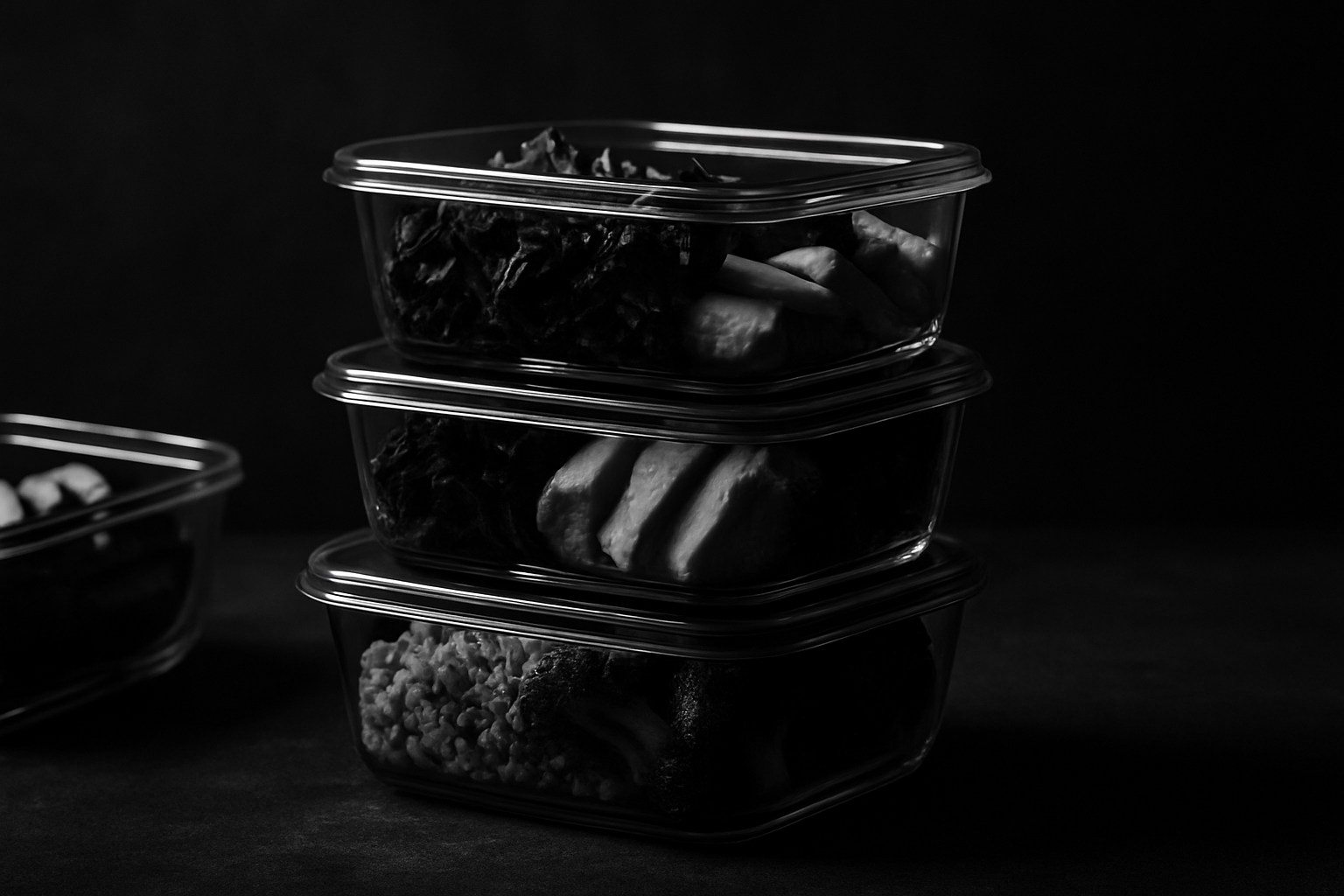
First, the basics. Glass keeps flavors clean, resists stains, and goes from fridge to oven without blinking. It’s heavier and pricier, sure, but worth it for staple meals like baked proteins or roasted veg. Plastic is light and affordable, best for dry items and grains but double check it’s BPA free and not warped from old microwave runs. Silicone? That’s your space saving wildcard. It folds flat, seals tight, and handles both heat and cold like a pro. Great for everything from soups to chopped greens.
When storing grains like rice or quinoa, cool completely before sealing to avoid trapped steam (aka mush central). Greens stay crisp longest wrapped in a paper towel inside an airtight container skip soggy bags. Sauces love small jars or silicone squeezers. Bonus: less mess when portioning out later.
Got leftovers or extra batches? Freeze smart. Use stackable containers, label with dates, and portion meals so they’re grab and go ready. Tip: Freeze sauces flat in resealable bags for easier thawing, and tuck a couple of emergency meals in the back of your freezer for chaotic weeks. Your future self will thank you.
Fast, Flexible Recipes that Work

The key to stress free meal prep is keeping it simple, adaptable, and never boring. Start with base ingredients that play well across multiple meals think roasted chicken, quinoa, sautéed greens, black beans. Mix and match lets you hit different moods through the week without cooking every day. Roasted chicken becomes a grain bowl on Monday, taco filling on Wednesday, and soup booster on Friday.
To dodge taste fatigue, rotate your flavor profiles. Curry chickpeas one week, then go Mediterranean with lemon herb the next. Keep spice blends and sauces on standby harissa, teriyaki, chimichurri so the same protein can feel brand new with barely any effort.
Appliances carry the load. Sheet pans knock out veggies and proteins in one go. A rice cooker does more than rice use it for oatmeal, hard boiled eggs, even steamed dumplings. And slow cookers? Toss and forget. Chili, stews, pulled pork set it in the morning, it’s ready by dinner.
The more you lean into these tools and flavor swaps, the more scalable your routine becomes. Less guesswork, less waste, and fewer sad desk lunches.
Staying On Track During the Week
Monday starts strong. Then Tuesday hits and suddenly your prepped meals feel a little too bland and your energy drops with it. That’s the slump. The trick is planning for it in advance, not trying to push through it on willpower alone.
First, build in low effort grab and go options. Hard boiled eggs, protein muffins, cut veggies, or hummus cups nothing fancy, just fuel you can snatch when motivation bottoms out. Second, use your calendar like a tool, not just a to do bucket. Set non intrusive timers to remind you to stand, stretch, hit your water target, or snack before you’re starving. These small cues help avoid decision fatigue.
Hydration plays a bigger role than most people think. By midweek, you’re usually running behind on water and ahead on caffeine. Fix that. Toss a lemon slice in a water bottle. Stash electrolyte packets in your desk. Make hydration frictionless.
Tuesday is a test of your system, not your will. Design your meal prep to meet it head on, and you’ll coast through the week without hitting the wall.
(See also: workday nutrition tips)
Quick Fixes When Plans Break
Even the most tightly planned week can go sideways. Meetings run late. You forget to hit start on the rice cooker. No shame in it just be ready.
Start by building a freezer buffer. A few go to meals that hold up well for emergency use: chili, bean or lentil stew, meatballs (veggie or meat), and roasted vegetable grain bowls. Store them in single serving containers for quick defrosting and minimum fuss. Pro tip: label and date everything so you’re not playing freezer roulette midweek.
When the fridge is empty and your energy’s shot, a smart supermarket sweep can save dinner. Rotisserie chicken, prewashed salad greens, canned soups with decent ingredients, and microwaveable rice or quinoa packets work in a pinch. Add an avocado or hummus and you’ve got a full plate. Keep a short list of these items on your phone so you’re never aimlessly wandering the aisles.
And sometimes, takeout just makes sense. Go for places that offer customizable meals grain bowls, salads, or protein heavy plates. Ask for sauce on the side, skip the extra bread, and have your own toppings or sides ready to fill in the nutritional blanks.
It’s not about never missing the plan it’s about bouncing back without losing your rhythm.
Keep It Up Without Burning Out
Meal prep isn’t just about Sunday chopping marathons. It’s about setting up systems that make sense long term. Start with batch shopping. Plan around overlapping ingredients so you’re not running to the store five times a week. Think: one giant bag of spinach for lunch bowls, green smoothies, and sautéed dinners. Hit the grocery store with a short, focused list seasonal produce, lean proteins, pantry staples and get in and out. Efficiency is the goal.
Speaking of seasonal, adjust your meals to match what nature’s putting on shelves. Winter? Roasted root veggies and lentil stews. Summer? Cold grain salads and grilled proteins. It keeps flavors fresh and variety high without overthinking it.
Finally, be flexible. Not every week’s plan will go perfectly. Don’t sweat it. Success isn’t about hitting perfection it’s about creating enough structure to fall back on when life gets chaotic. A decent plan done consistently beats a perfect plan abandoned by Wednesday.
(Explore more: workday nutrition tips)

 Carol Manginorez is the kind of writer who genuinely cannot publish something without checking it twice. Maybe three times. They came to meal prep ideas through years of hands-on work rather than theory, which means the things they writes about — Meal Prep Ideas, Food Trends and Culture, Healthy Eating Tips, among other areas — are things they has actually tested, questioned, and revised opinions on more than once.
That shows in the work. Carol's pieces tend to go a level deeper than most. Not in a way that becomes unreadable, but in a way that makes you realize you'd been missing something important. They has a habit of finding the detail that everybody else glosses over and making it the center of the story — which sounds simple, but takes a rare combination of curiosity and patience to pull off consistently. The writing never feels rushed. It feels like someone who sat with the subject long enough to actually understand it.
Outside of specific topics, what Carol cares about most is whether the reader walks away with something useful. Not impressed. Not entertained. Useful. That's a harder bar to clear than it sounds, and they clears it more often than not — which is why readers tend to remember Carol's articles long after they've forgotten the headline.
Carol Manginorez is the kind of writer who genuinely cannot publish something without checking it twice. Maybe three times. They came to meal prep ideas through years of hands-on work rather than theory, which means the things they writes about — Meal Prep Ideas, Food Trends and Culture, Healthy Eating Tips, among other areas — are things they has actually tested, questioned, and revised opinions on more than once.
That shows in the work. Carol's pieces tend to go a level deeper than most. Not in a way that becomes unreadable, but in a way that makes you realize you'd been missing something important. They has a habit of finding the detail that everybody else glosses over and making it the center of the story — which sounds simple, but takes a rare combination of curiosity and patience to pull off consistently. The writing never feels rushed. It feels like someone who sat with the subject long enough to actually understand it.
Outside of specific topics, what Carol cares about most is whether the reader walks away with something useful. Not impressed. Not entertained. Useful. That's a harder bar to clear than it sounds, and they clears it more often than not — which is why readers tend to remember Carol's articles long after they've forgotten the headline.